
Saltar al contenido
Atlas Anatolia
NoticiasIce Age teeth in Sulawesi push betel-nut use back as far as 25,000 yearsRoman mosaic and Eros head uncovered in the basilica at Pompeiopolis, Kastamonu
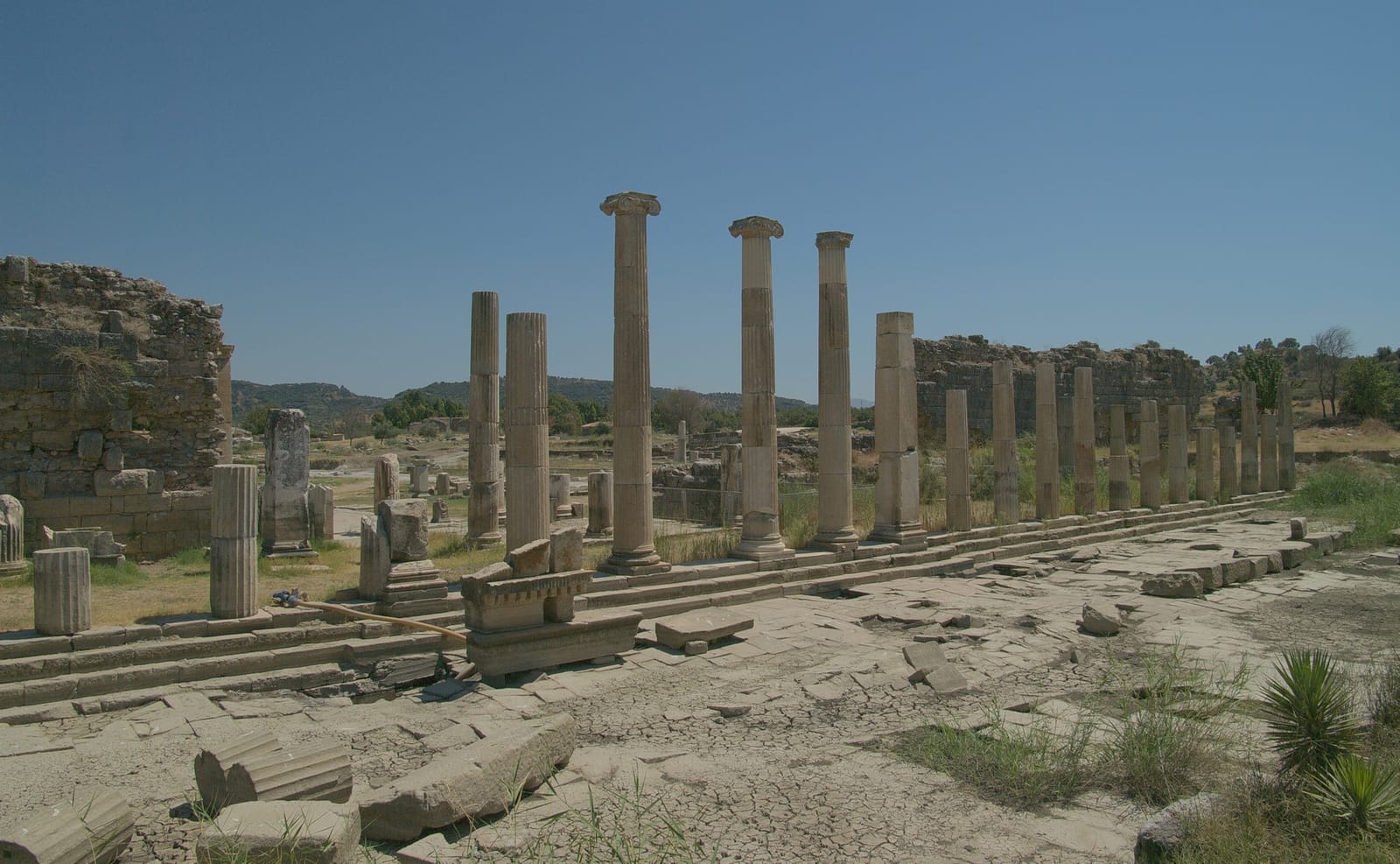
Propylon ruins at Magnesia on the Maeander

Wikimedia Commons (CC BY-SA)

CiudadDestacado

Magnesia

Seyfi Cem Baskin

400 a. C. – 600 d. C.

Home to the Temple of Artemis Leucophryene designed by Hermogenes — the most influential Ionic architect of the ancient world — whose innovations shaped Roman temple architecture for centuries.

312
Interés 51

Ubicación

Aydin · Aegean · Turquía

37.85°N · 27.52°E · Asia

Architect

Hermogenes — most influential Ionic architect

Temple

Artemis Leucophryene (pseudodipteral plan)

Festival

Panhellenic recognition granted 221/220 BCE

Influence

Studied by Vitruvius; shaped Roman architecture

Notable Finds

The 'Market Law of Magnesia' inscription, a comprehensive Hellenistic civic decree regulating the agora, discovered in the agora excavations.

Dating Method

Archaeomagnetic analysis of kilns and burnt structures, providing absolute dates for industrial and domestic quarters.

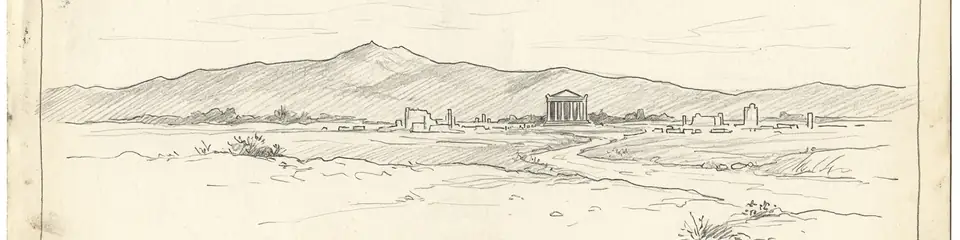
Graphite pencil sketch banner of Magnesia

Hermogenes' Temple of Artemis at Magnesia is arguably the single most architecturally influential building of the Hellenistic period.”

De Wikipedia

Magnesia on the Maeander is an ancient Greek city in western Turkey, renowned for the Temple of Artemis Leucophryene designed by the architect Hermogenes.

Leer el artículo completo en Wikipedia

Ubicación

Resumen

Magnesia on the Maeander was one of the great cities of Hellenistic and Roman Ionia, situated on a fertile plain near the Maeander River in what is now Aydin Province. The city's fame rests primarily on its Temple of Artemis Leucophryene, designed by the architect Hermogenes in the late 3rd or early 2nd century BCE — a building that would profoundly influence the development of classical architecture.

Hermogenes is credited with perfecting the pseudodipteral plan (a double-colonnade appearance achieved with a single ring of columns and widened walkway) and establishing proportional rules that the Roman architect Vitruvius later codified in De Architectura. The Temple of Artemis at Magnesia was Hermogenes' masterpiece and the model that generations of Roman architects studied and emulated.

"Magnesia is situated on the river Lethaeus, a tributary of the Maeander. The city is celebrated for its temple of Artemis Leucophryene."
— Strabo, c. 7 BCE - 23 CE

The city's agora, enclosed by stoas on all four sides, was one of the largest and most regular public squares in the ancient world. Excavations have revealed a monumental altar in the agora precinct, a theatre, a stadium, and elaborate Roman-period baths.

Magnesia was also famous in the ancient world for the festival of Artemis Leucophryene, which gained Panhellenic recognition in 221/220 BCE. An inscription preserving the responses of Greek cities to Magnesia's request for recognition of the festival's sacred status is one of the most important documents of Hellenistic interstate relations.
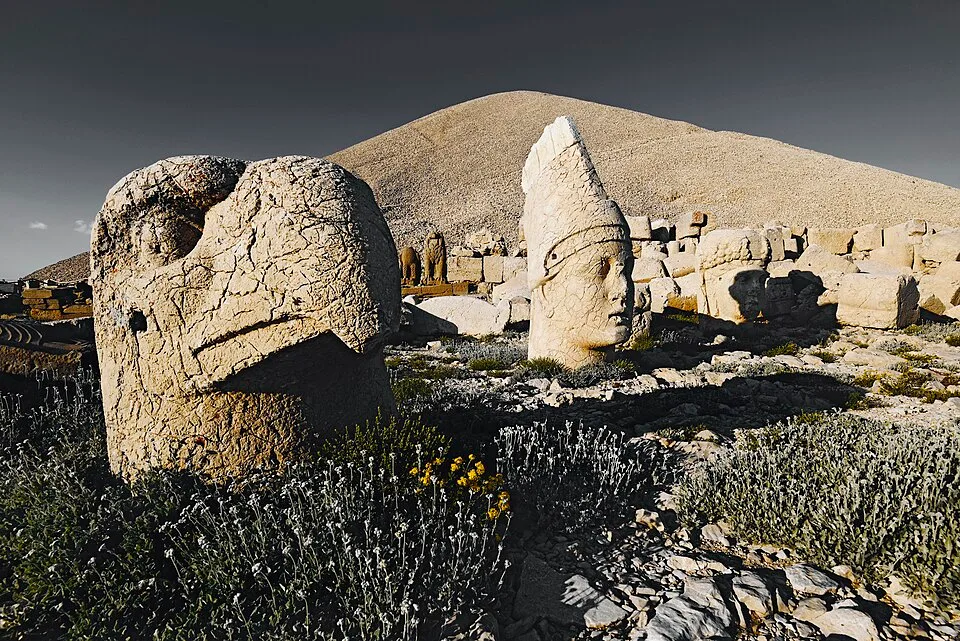
Ancient Ruins on Mountain Nemrut
Ancient Ruins on Mountain Nemrut | Emrahuygun (CC BY-SA 4.0)

Despite its historical significance, Magnesia remains lightly visited compared to nearby Ephesus and Priene, giving the site a serene quality that belies its importance.

Por qué es importante

Hermogenes' Temple of Artemis at Magnesia is arguably the single most architecturally influential building of the Hellenistic period. Through Vitruvius, who devoted extensive passages to Hermogenes' theories, the temple's proportions and design principles shaped Roman temple architecture and — through the Renaissance rediscovery of Vitruvius — continue to influence Western architecture today. The Panhellenic recognition inscription from Magnesia is one of the key documents for understanding how Greek cities negotiated prestige, religious authority, and interstate diplomacy in the Hellenistic world.

Evidencia e interpretación

Distinguir lo bien establecido de lo que sigue en debate.

Hechos bien establecidos

3
  • Vitruvius (De Architectura 3.3.8-9) credits Hermogenes with inventing the pseudodipteral temple plan at Magnesia and establishing proportional rules that defined Ionic architecture.
  • An inscription recording the responses of over 150 Greek cities to Magnesia's request for Panhellenic recognition of the Artemis festival has been excavated and published.
  • Carl Humann's excavations recovered substantial architectural elements of the Artemis temple, now in Berlin and Istanbul museums.

Inferencias académicas

1
  • The city's location on the Maeander plain, which is subject to periodic flooding and alluvial deposition, likely contributed to the burial and preservation of the ancient remains.

Interpretaciones debatidas

2
  • The exact dating of Hermogenes — late 3rd century BCE or early 2nd century BCE — remains debated, affecting the chronological relationship between his work at Magnesia and his other known projects.
  • Whether the epithet Leucophryene for Artemis derives from a local Anatolian cult or a Greek descriptive term continues to be discussed.

Descubrimiento y excavación

1891–1893

German excavations

Dirigido por Carl Humann

Carl Humann (excavator of Pergamon) conducted major excavations uncovering the Temple of Artemis and the agora.

1891

First Systematic Excavations

Dirigido por Carl Humann (German Archaeological Institute)

Led by Carl Humann, these excavations focused on the Temple of Artemis and the theatre, recovering major architectural elements sent to Berlin and Istanbul.

1984–2010

Turkish excavations

Dirigido por Orhan Bingol

Orhan Bingol of Ankara University led long-term excavations and conservation, focusing on the Artemis temple and civic buildings.

2014

Agora excavations

Ongoing work on the monumental agora complex, one of the largest enclosed public squares in the Hellenistic world.

Fotos de la comunidad

Comparte tu experiencia

¿Has visitado este sitio? Sube tus fotos para ayudar a otros a descubrirlo.

Cómo citar esta página

Atlas Anatolia. (400). Magnesia. Atlas Anatolia. https://atlasanatolia.com/es/site/magnesia

Contenido bajo licencia CC BY-SA 4.0 — se requiere atribución al reutilizar.

Fuentes

  • Magnesia on the Maeander: An Archaeological GuideOrhan Bingol (2007)
  • Die Inschriften von Magnesia am MaeanderOtto Kern (1900)
  • Wikipedia — Magnesia on the MaeanderEnlace

Preguntas frecuentes

¿Dónde se encuentra Magnesia?

Magnesia se encuentra en Aydin, Aegean, Türkiye.

¿Qué antigüedad tiene Magnesia?

Magnesia se fecha aproximadamente en 400 a. C. – 600 d. C..

¿Qué civilizaciones se relacionan con Magnesia?

Magnesia se relaciona con Greek, Roman, Byzantine.

¿Por qué es importante Magnesia?

Hermogenes' Temple of Artemis at Magnesia is arguably the single most architecturally influential building of the Hellenistic period.

¿Magnesia es Patrimonio Mundial de la UNESCO?

Magnesia no está inscrito actualmente en la Lista del Patrimonio Mundial de la UNESCO.