
Saltar al contenido
Atlas Anatolia
NoticiasIce Age teeth in Sulawesi push betel-nut use back as far as 25,000 yearsRoman mosaic and Eros head uncovered in the basilica at Pompeiopolis, Kastamonu
Roman mosaic of Amphitrite in an underground villa at Bulla Regia, Tunisia

Wikimedia Commons

Récord nacional

Longest Continuously Occupied Site in Tunisia

Ciudad

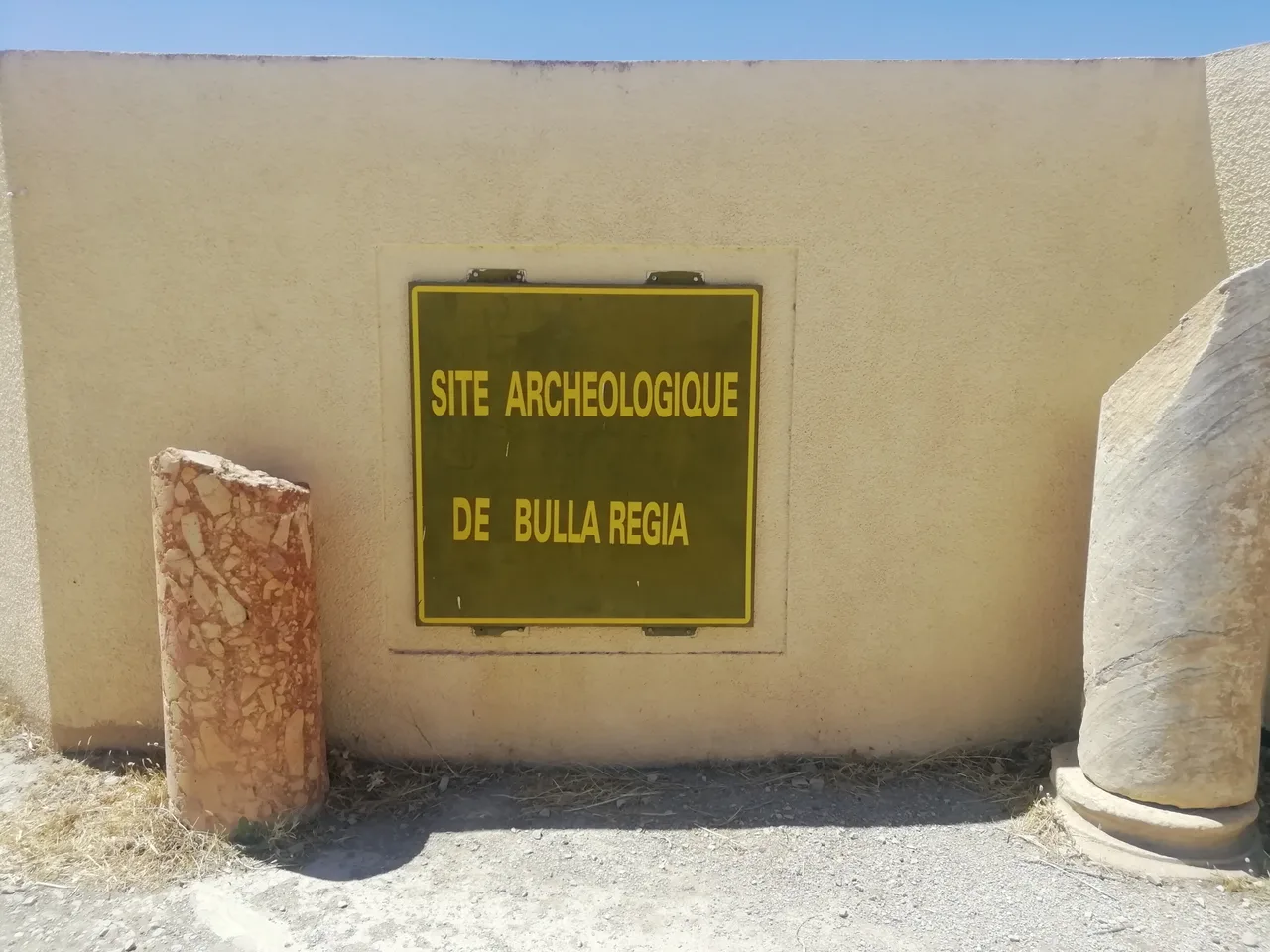
Bulla Regia

Seyfi Cem Baskin

200 a. C. – 600 d. C.

A Roman city in northern Tunisia uniquely famous for its underground villa complexes — entire domestic floors built below ground level to escape the heat, preserving mosaics in situ that would otherwise have been looted or destroyed. Bulla Regia offers the most complete picture of Roman domestic architecture anywhere in North Africa.

21
Interés 46

Ubicación

Jendouba Governorate · Northern Tunisia · Túnez

36.57°N · 9.04°E · África

Distinctive feature

Underground Roman villa complexes with preserved mosaics

Roman status

Colonia under Emperor Hadrian, early 2nd century CE

Key mosaics

House of the Hunt; House of Amphitrite

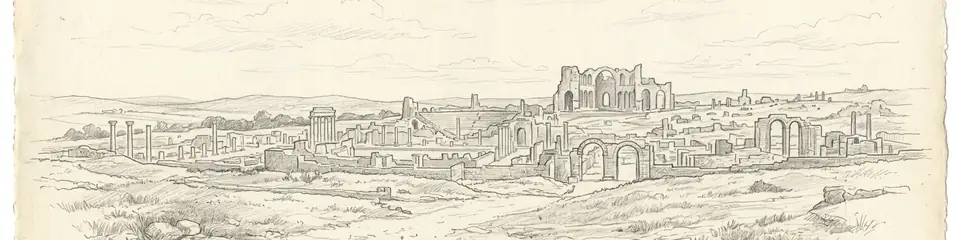
Graphite pencil sketch banner of Bulla Regia

Bulla Regia's underground villas are unique in the Roman world — a practical response to North African climate that accidentally preserved mosaics and domestic plans better than almost any other site.”

Ubicación

Resumen

Bulla Regia lies in the fertile Medjerda Valley of northern Tunisia, inland from the coast and roughly 160 kilometres southwest of Tunis. The site has deep Punic and Numidian roots before becoming a Roman colonia under Hadrian in the early 2nd century CE.

What makes Bulla Regia exceptional is its underground domestic architecture. Wealthy Roman citizens built villa complexes with entire lower floors sunk below ground — cool in summer, warm in winter — leaving upper structures largely destroyed but preserving mosaic pavements, peristyle courtyards, and bathing suites in remarkable condition. The "House of the Hunt" and "House of Amphitrite" contain mosaics among the finest in Roman Africa, including scenes of Diana hunting and Amphitrite in a chariot drawn by seahorses.
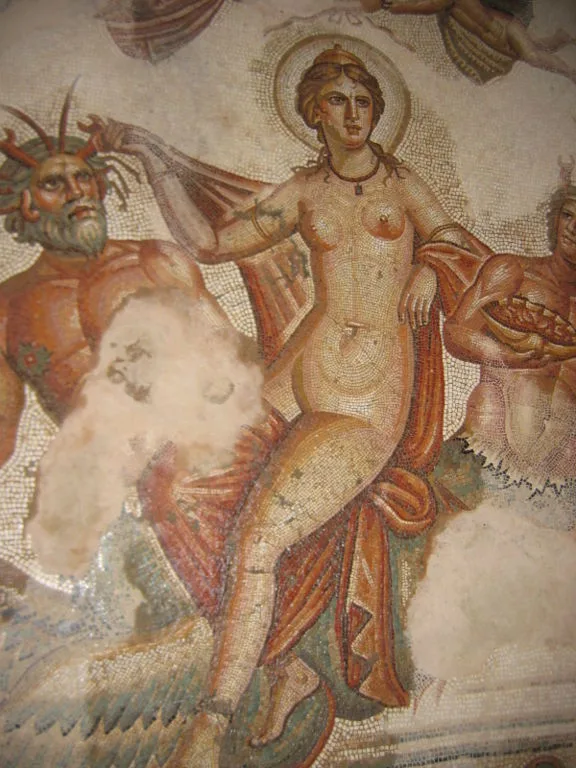
Venus marine dite Amphitrite Bulla Regia
Venus marine dite Amphitrite Bulla Regia | Wikimedia Commons (CC BY-SA 2.5)
"The underground houses of Bulla Regia preserve mosaics in a condition rarely found elsewhere in the Roman world."
— M. Blanchard-Lemée et al., Mosaics of Roman Africa (1996)

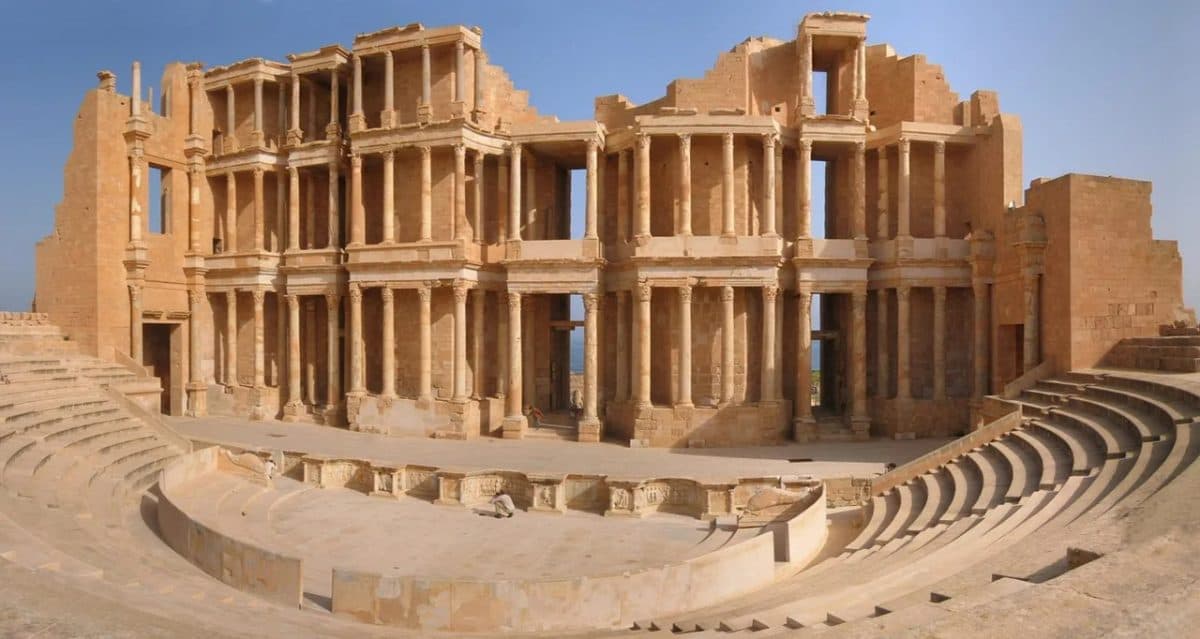
The city also preserves a theatre, Capitolium temple, forum, and public baths above ground. Bulla Regia flourished through the 3rd and 4th centuries CE before declining with Vandal and Byzantine rule. French and Tunisian archaeologists have excavated the site since the early 20th century.
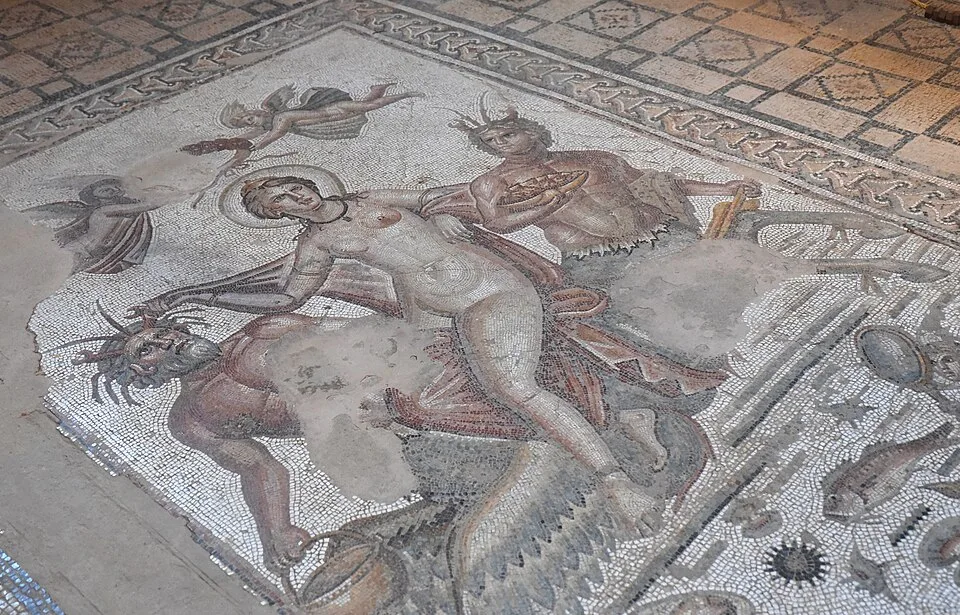
In situ mosaic depicting Venus being carried ashore by a pair of Ichthyocentaurs (fish-tailed centaurs) following her bi
In situ mosaic depicting Venus being carried ashore by a pair of Ichthyocentaurs (fish-tailed centaurs) following her bi | Carole Raddato from FRANKFURT, Germany (CC BY-SA 2.0)

The site is on Tunisia's national heritage list and is frequently cited alongside Carthage and Dougga as among the country's most important Roman ruins.
Por qué es importante

Bulla Regia's underground villas are unique in the Roman world — a practical response to North African climate that accidentally preserved mosaics and domestic plans better than almost any other site. The in situ mosaic assemblage ranks among the finest surviving from Roman Africa and is essential for understanding provincial elite culture, iconography, and domestic ritual. The site connects Punic, Numidian, and Roman layers of Tunisian history, showing how Rome absorbed and transformed pre-existing North African settlement patterns.

Evidencia e interpretación

Distinguir lo bien establecido de lo que sigue en debate.

Hechos bien establecidos

2
  • Multiple underground villa complexes with in situ mosaic floors are documented and open to study.
  • The site was elevated to Roman colonia status under Hadrian, attested epigraphically.

Interpretaciones debatidas

1
  • The extent of Numidian versus Punic influence on the pre-Roman settlement remains less fully excavated.

Fotos de la comunidad

Comparte tu experiencia

¿Has visitado este sitio? Sube tus fotos para ayudar a otros a descubrirlo.

Historias relacionadas

Cómo citar esta página

Atlas Anatolia. (200). Bulla Regia. Atlas Anatolia. https://atlasanatolia.com/es/site/bulla-regia

Contenido bajo licencia CC BY-SA 4.0 — se requiere atribución al reutilizar.

Gráfico

Conexiones con sitios e historias relacionados.

Fuentes

  • Mosaics of Roman Africa: Floor Mosaics from TunisiaBlanchard-Lemée, M. et al. (1996)
  • Bulla Regia — guide to the ruinsFoucher, L. (1967)

Preguntas frecuentes

¿Dónde se encuentra Bulla Regia?

Bulla Regia se encuentra en Jendouba Governorate, Northern Tunisia, Tunisia.

¿Qué antigüedad tiene Bulla Regia?

Bulla Regia se fecha aproximadamente en 200 a. C. – 600 d. C..

¿Qué civilizaciones se relacionan con Bulla Regia?

Bulla Regia se relaciona con Carthaginian / Phoenician, Roman.

¿Por qué es importante Bulla Regia?

Bulla Regia's underground villas are unique in the Roman world — a practical response to North African climate that accidentally preserved mosaics and domestic plans better than almost any other site.

¿Bulla Regia es Patrimonio Mundial de la UNESCO?

Bulla Regia no está inscrito actualmente en la Lista del Patrimonio Mundial de la UNESCO.