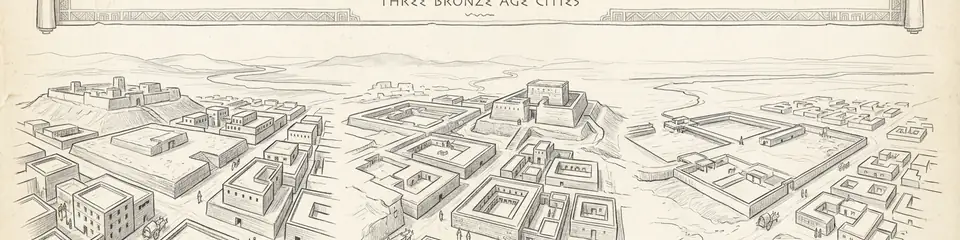
Die Indus-Zivilisation (auch Harappa-Kultur) blühte ca. 2600–1900 v. Chr. im heutigen Pakistan und Nordwestindien – zeitgleich mit dem bronzezeitlichen Ägypten und Mesopotamien, jedoch eigenständig in Stadtplanung, Handwerksproduktion und ihrer bis heute nicht entzifferten Schrift.
Atlas Anatolia verknüpft drei der am besten dokumentierten Städte. Nutzen Sie das Vergleichswerkzeug, um Datierungen, Evidenzbewertungen und Geografie nebeneinanderzustellen.
„Harappa und Mohenjo-daro waren geplante Städte – Straßen im rechten Winkel, Abflüsse unter den Hausböden – eine städtische Ordnung ohne Königsnamen auf den Ziegeln.“
— Paraphrase der Berichte John Marshalls über die Indus-Ausgrabungen (1920er–30er Jahre)
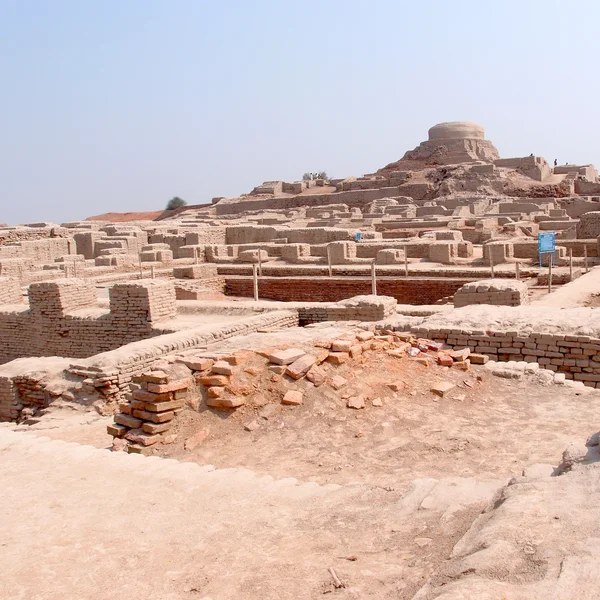
Mohenjo-daro – Rasterstadt am Indus
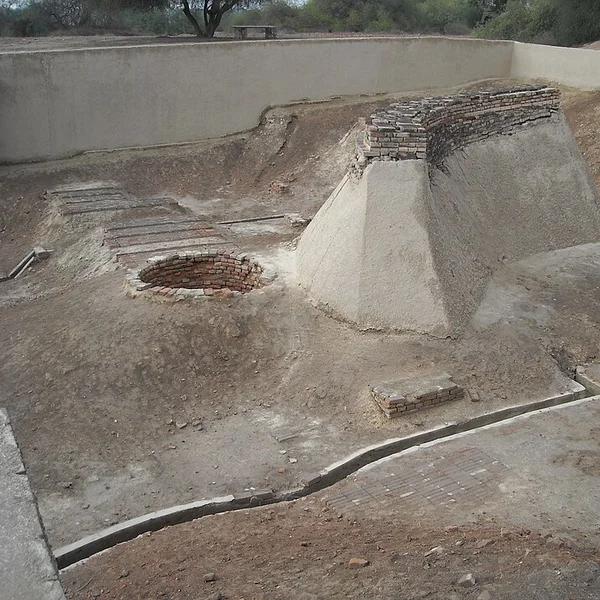
Mohenjo-daro („Hügel der Toten“) in Sindh, Pakistan, ist die ikonische Harappa-Stadt: Straßen aus gebrannten Ziegeln, angelegt auf einem rechtwinkligen Raster, ein ausgeklügeltes Entwässerungssystem und das Große Bad – ein wasserdichtes Becken, das möglicherweise rituellen Waschungen diente. Keine Paläste oder Königsgräber dominieren den Plan; die Anlage deutet auf eine vergleichsweise egalitäre städtische Organisation hin, verglichen mit dem zeitgenössischen Mesopotamien oder Ägypten.
!Großes Bad Ansicht Mohenjodaro
Großes Bad Ansicht Mohenjodaro | Saqib Qayyum (CC BY-SA 3.0)
Harappa – Der namensgebende Fundort
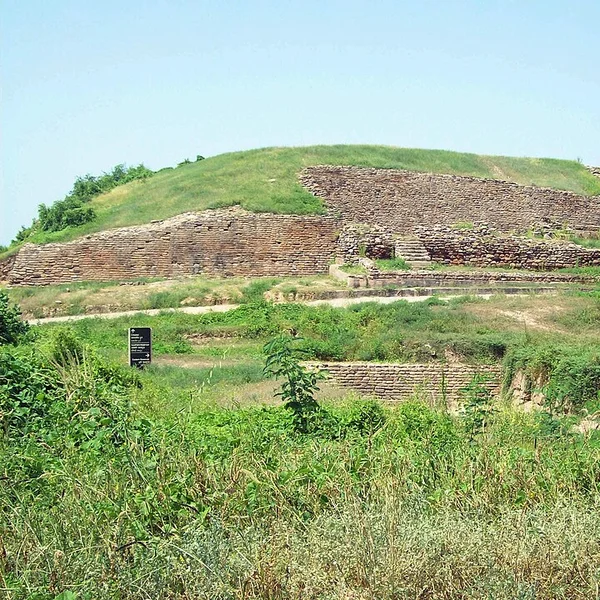
!Buddhistischer Stupa, Mohenjo-daro
Buddhistischer Stupa, Mohenjo-daro | Saqib Qayyum (CC BY-SA 3.0)
Harappa am Fluss Ravi gab der Zivilisation ihren archäologischen Namen. Ausgrabungen legten Getreidespeicher, Handwerkswerkstätten und Stempelsiegel mit Tiermotiven und kurzen Inschriften frei. Harappa markiert die östliche Ausdehnung der reifen Harappa-Besiedlung.
!Historische Kulturstätten Gujarats mit GPS-Koordinaten
Historische Kulturstätten Gujarats mit GPS-Koordinaten | Ms Sarah Welch (CC BY-SA 4.0)
Dholavira – Stadt im Rann
Auf der Insel Khadir in Gujarat bewahrt Dholavira ein Hafenbecken, Reservoirs und einen dreiteiligen Stadtplan, der an aride Bedingungen angepasst ist – ein Beleg dafür, dass der harappazeitliche Städtebau keinem einheitlichen Muster folgte, sondern auf lokale Umweltbedingungen reagierte.
!Datei:Prehistoric Ancient And Hindu India.djvu
Datei:Prehistoric Ancient And Hindu India.djvu | R D banerji (Gemeinfrei)
Was wir noch immer diskutieren
Die Forschung debattiert weiterhin über die Indus-Schrift (logosyllabisch oder rein symbolisch?), die Ursache der Deurbanisierung nach ca. 1900 v. Chr. (Klimawandel, Flussverlagerung, sozioökonomischer Wandel) und das Verhältnis zwischen der Harappa-Kultur und späteren vedischen Traditionen. Atlas Anatolia kennzeichnet Aussagen entsprechend – Bestätigt, Abgeleitet oder Umstritten – auf jeder einzelnen Stättenseite.
Erkunden Sie den umfassenderen Indus-Tal-Zeitstrahl oder öffnen Sie die Vergleichs-URL für den Unterricht für Aufgaben.
Zuletzt aktualisiert: Juli 2026
Pakistan
Mohenjo-daro
Mohenjo-daro, ein bedeutendes urbanes Zentrum der Indus-Zivilisation (ca. 2500–1700 v. Chr.), veranschaulicht
Pakistan
Harappa
Die Stadt, die der Indus-Zivilisation ihren Namen gab – eine geplante bronzezeitliche Metropole im heutigen Pa
India
Dholavira
Die am besten erhaltene und fortschrittlichste Stadt der Indus-Tal-Zivilisation – eine geplante bronzezeitlich