
تخط إلى المحتوى
Atlas Anatolia
أخبارأسنان من العصر الجليدي في سولاويزي تدفع استخدام التنبول إلى ما يصل إلى 25,000 عاماكتشاف فسيفساء رومانية ورأس إيروس في بازيليكا بومبيوبوليس، كاستامونو
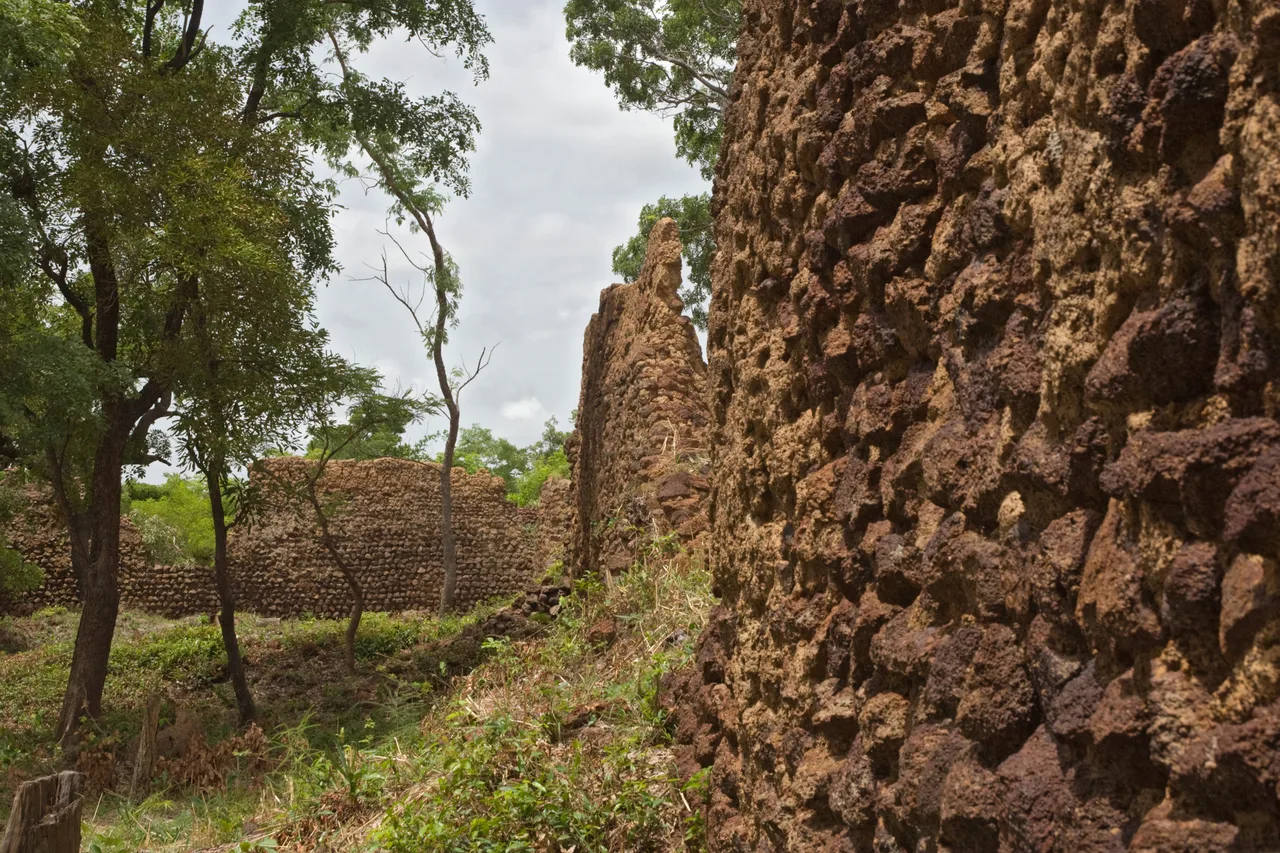
Massive dry-stone walls of the Loropéni ruins, Poni Province, Burkina Faso

Wikimedia Commons

قلعةاليونسكو

Loropéni

Seyfi Cem Baskin

1100 م – 1800 م

A mysterious complex of massive dry-stone walls in southwestern Burkina Faso, the best-preserved of ten fortified stone enclosures scattered across the region and once linked to the trans-Saharan gold trade that made medieval West Africa fabulously wealthy. Its precise builders, exact founding date, and original purpose remain genuinely unresolved, making it one of the more enigmatic UNESCO World Heritage Sites in Africa.

212
اهتمام 38

الموقع

Poni Province · بوركينا فاسو

10.15°N · 3.58°W · أفريقيا

Walls

Dry-stone, up to 6 m high, enclosing c. 11,130 sq. m without mortar

One of ten

Best-preserved of ten similar fortified stone enclosures in the region

Trade

Linked to the trans-Saharan gold trade that enriched medieval West African empires

Builders

Unknown — no confirmed oral tradition identifies the specific community

UNESCO

Burkina Faso's first World Heritage Site, inscribed 2009

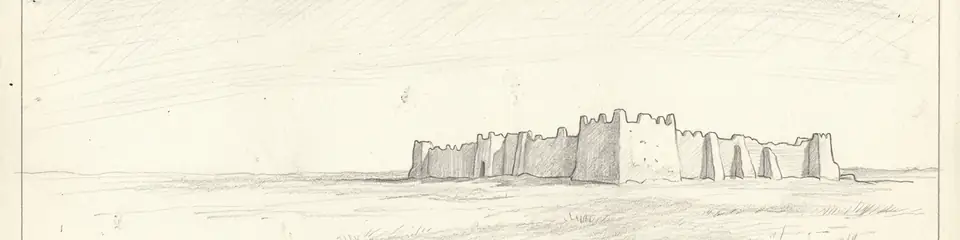
Graphite pencil sketch banner of Loropéni

“Loropéni is a rare case of a major, well-preserved fortified monument whose builders remain essentially anonymous — like San Agustín in Colombia, it demonstrates that even substantial, technically accomplished archaeological sites can resist confident historical attribution, especially where the relevant communities' own oral traditions did not preserve a specific memory of the builders across the intervening centuries.”

الموقع

نظرة عامة

Loropéni lies near Burkina Faso's southwestern border with Côte d'Ivoire and Ghana, within a region historically significant for gold production. The site consists of massive dry-stone walls — built without mortar, up to six metres high and enclosing an area of roughly 11,130 square metres — forming one of ten similar fortified stone enclosures (locally known as lo, meaning "protective wall") scattered across the surrounding landscape, of which Loropéni's is by far the best preserved.

Archaeological and historical evidence connects the enclosures to the region's gold industry, which fed into the broader trans-Saharan trade networks that carried West African gold north across the Sahara to North African and Mediterranean markets for many centuries, funding the wealth of empires such as Ghana, Mali, and Songhai even though the actual gold-producing zones — including the area around Loropéni — often lay well outside those empires' direct political control. The walls are generally interpreted as having served defensive and controlling functions related to this gold trade, whether protecting stored wealth, controlling access to production sites, or marking the territory of a specific trading or producing community, though which of these functions predominated, or whether the purpose changed over time, remains debated.

Dating the site precisely has proven difficult. Archaeological evidence suggests activity at Loropéni beginning as early as the 11th century CE, with the surviving stone walls themselves more commonly attributed to construction and use spanning roughly the 14th through 17th centuries, though the site continued to see some level of occupation into the 19th century before being abandoned. Unlike many major archaeological sites in West Africa, no strong oral historical tradition survives among nearby communities today that definitively identifies the specific ethnic or political group responsible for building the walls, though scholarly and local tradition has associated the broader gold-trading networks of the era with Dyula and other Mande-speaking merchant communities who operated extensively across this part of West Africa.

Excavations within the enclosure walls have recovered ceramics, iron-working evidence, and other material culture that confirm sustained human occupation and craft activity, but have not yet produced a definitive answer to who specifically directed the walls' construction or organised the community living and working within them. Loropéni was inscribed as Burkina Faso's first UNESCO World Heritage Site in 2009, recognised explicitly as testimony to the historically under-documented gold trade that connected West Africa to the wider medieval and early modern world economy.

لماذا يهم

Loropéni is a rare case of a major, well-preserved fortified monument whose builders remain essentially anonymous — like San Agustín in Colombia, it demonstrates that even substantial, technically accomplished archaeological sites can resist confident historical attribution, especially where the relevant communities' own oral traditions did not preserve a specific memory of the builders across the intervening centuries. The site provides crucial physical evidence for the often under-documented production side of the trans-Saharan gold trade. Historical sources — largely written by North African and Mediterranean observers — describe West African gold's effects on the wider medieval economy in considerable detail, but say comparatively little about the specific mining, fortification, and trade-organisation systems operating within the actual gold-producing regions themselves; Loropéni helps fill that gap from the production side of the trade rather than the consuming or transporting side. As Burkina Faso's first UNESCO World Heritage Site, Loropéni also holds particular significance for West African heritage recognition more broadly, asserting the historical importance of a site and a regional gold-trade system that had received relatively little international scholarly attention compared to more famous trans-Saharan trade centres like Timbuktu or Djenné.

الأدلة والتفسير

التمييز بين ما هو راسخ وما لا يزال موضع نقاش.

حقائق راسخة

2
  • Archaeological excavation confirms sustained occupation and craft activity, including ceramics and evidence of iron working, within the walled enclosure across several centuries.
  • The site's location within a historically significant gold-producing region, combined with material evidence of trade goods, supports its connection to trans-Saharan gold trade networks documented in medieval North African and Mediterranean sources.

استنتاجات علمية

1
  • The dating of the surviving stone walls to roughly the 14th–17th centuries CE is inferred from associated material culture and comparative regional chronology rather than from a single decisive dated inscription or artefact.

تفسيرات متنازع عليها

2
  • The specific ethnic or political community responsible for constructing and occupying the walls is not confirmed; scholarly and local tradition associates the broader trade network with Dyula and other Mande-speaking merchants, but no direct evidence identifies the builders themselves with certainty.
  • Whether the walls' primary function was defensive, a means of controlling access to gold production or storage, or a marker of territorial and social boundaries remains an open question among researchers, with the interpretation likely varying across the site's long occupation history.

الاكتشاف والتنقيب

1900

Early colonial documentation

First European documentation of the ruins during the French colonial period.

2003–2009

UNESCO nomination archaeological survey

Systematic survey and conservation assessment supporting Burkina Faso's successful UNESCO World Heritage nomination.

صور المجتمع

شارك تجربتك

هل قمت بزيارة هذا الموقع؟ ارفع صورك لمساعدة الآخرين في اكتشافه.

كيفية الاستشهاد بهذه الصفحة

Atlas Anatolia. (1100). Loropéni. Atlas Anatolia. https://atlasanatolia.com/ar/site/loropeni

المحتوى مرخّص بموجب CC BY-SA 4.0 — يجب ذكر المصدر عند إعادة الاستخدام.

المصادر

  • L'Or de la Volta Noire — Kiéthéga, Jean-Baptiste (1983)
  • UNESCO — Ruins of Loropéniرابط
  • Les Ruines de Lorpéni: Un Patrimoine à Sauvegarder — Kote, Lassina (2010)

الأسئلة الشائعة

أين يقع Loropéni؟

يقع Loropéni في Poni Province, Burkina Faso.

كم يبلغ عمر Loropéni؟

يعود تاريخ Loropéni إلى حوالي 1100 م – 1800 م.

ما هي الحضارات المرتبطة بـ Loropéni؟

يرتبط Loropéni بحضارة Mande.

لماذا يعتبر Loropéni مهماً؟

Loropéni is a rare case of a major, well-preserved fortified monument whose builders remain essentially anonymous — like San Agustín in Colombia, it demonstrates that even substantial, technically accomplished archaeological sites can resist confident historical attribution, especially where the relevant communities' own oral traditions did not preserve a specific memory of the builders across the intervening centuries.

هل Loropéni موقع تراث عالمي لليونسكو؟

نعم — Loropéni مدرج في قائمة التراث العالمي لليونسكو.