
تخط إلى المحتوى
Atlas Anatolia
أخبارأسنان من العصر الجليدي في سولاويزي تدفع استخدام التنبول إلى ما يصل إلى 25,000 عاماكتشاف فسيفساء رومانية ورأس إيروس في بازيليكا بومبيوبوليس، كاستامونو
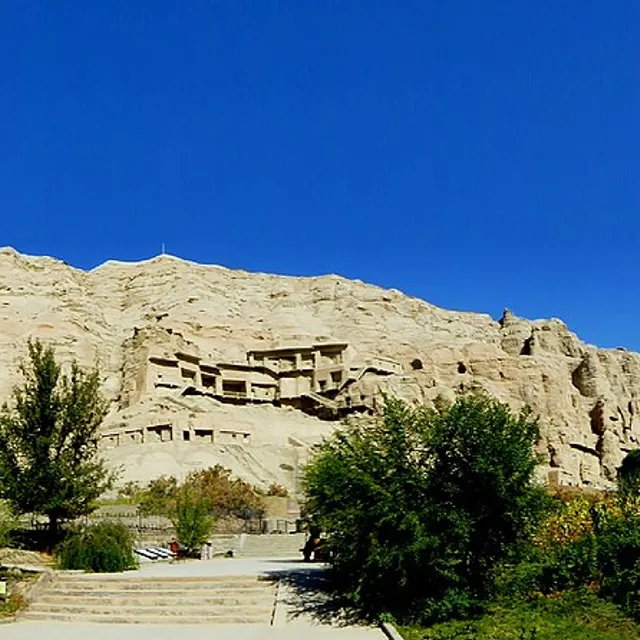
Cliff face and cave openings of the Kizil Buddhist grottoes, Xinjiang

Wikimedia Commons

ملاذ مقدساليونسكو

Kizil Caves

Seyfi Cem Baskin

克孜尔千佛洞300 م – 800 م

The earliest large complex of Buddhist rock-cut cave temples on the northern Silk Road, carved into cliffs above the Muzart River near Kucha — murals of Indo-Iranian and Central Asian style that predate and influenced later Chinese grotto art.

21
اهتمام 56

Scale

200+ rock-cut caves along the Muzart River cliffs

Date

Main painting phases c. 3rd–8th centuries CE

Culture

Buddhist monasteries of the Kucha / Tocharian oasis kingdom

Art history

Earliest large grotto complex on the northern Silk Road

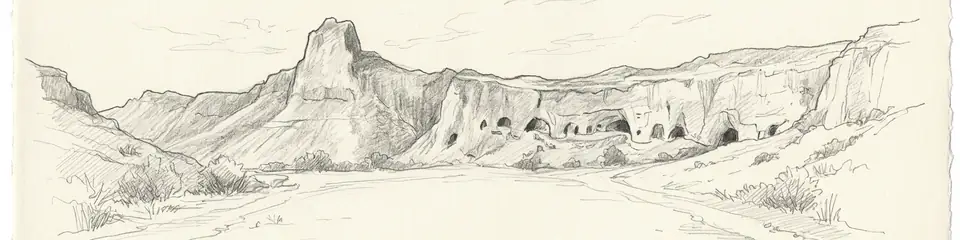
Graphite pencil sketch banner of Kizil Caves

“Kizil is foundational for Central Asian Buddhist art history — chronologically early, stylistically hybrid, and textually linked to Tocharian monastic culture.”

الموقع

نظرة عامة

The Kizil Caves stretch along river cliffs about 70 kilometres west of Kucha (Kuqa) in Xinjiang, China. From roughly the 3rd to 8th centuries CE, Buddhist monastic communities excavated and painted over 230 caves, making Kizil the earliest major grotto series of the Tarim Basin — earlier in origin than Dunhuang’s Mogao heyday and crucial for understanding how Indian Buddhist art adapted along the northern route around the Taklamakan.

Murals employ distinctive “Western Regions” styles: stylised drapery, musical and narrative scenes from Jātakas and Avadānas, and a palette influenced by Iranian and Gandhāran visual traditions. German Turfan expeditions under Albert Grünwedel and Albert von Le Coq removed many mural panels to Berlin; surviving in situ painting still shows diamond-ceiling patterns, musicians, and donor figures of Tocharian-speaking oasis elites.
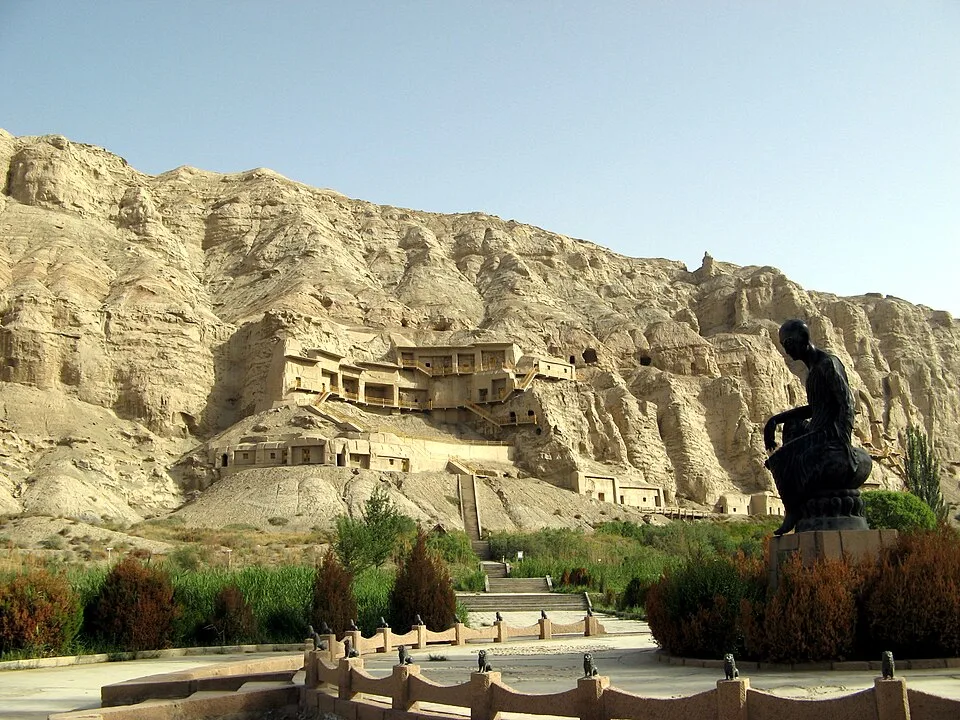
Kuqa May 2007 427
Kuqa May 2007 427 | G41rn8 (CC BY-SA 4.0)
"In the cliffs above the river the monks of Kucha cut cells and painted the deeds of the Bodhisattva — music, dance, and the path to nirvana in colours brought along the northern road."
— Modern paraphrase of Kucha Buddhist mural programmes at Kizil

Kizil belongs to the broader Kucha kingdom’s Buddhist landscape and is a component of UNESCO Silk Roads serial heritage. Conservation and documentation by Chinese institutes continue to recover chronology through radiocarbon and stylistic sequencing.
لماذا يهم

Kizil is foundational for Central Asian Buddhist art history — chronologically early, stylistically hybrid, and textually linked to Tocharian monastic culture. It shows how the Silk Road was not only a trader’s corridor but a monastery network that translated Indian Buddhism into oasis visual languages later radiating into China proper.

الأدلة والتفسير

التمييز بين ما هو راسخ وما لا يزال موضع نقاش.

حقائق راسخة

2
  • Standing caves and remaining murals document an extensive early Buddhist monastic complex.
  • Stylistic and palaeographic links connect Kizil art to Indo-Iranian and Tocharian Buddhist cultures of Kucha.

تفسيرات متنازع عليها

1
  • Fine-grained dating of individual cave phases continues to be refined; some early expedition attributions have been revised.

صور المجتمع

شارك تجربتك

هل قمت بزيارة هذا الموقع؟ ارفع صورك لمساعدة الآخرين في اكتشافه.

قصص ذات صلة

كيفية الاستشهاد بهذه الصفحة

Atlas Anatolia. (300). Kizil Caves. Atlas Anatolia. https://atlasanatolia.com/ar/site/kizil-caves

المحتوى مرخّص بموجب CC BY-SA 4.0 — يجب ذكر المصدر عند إعادة الاستخدام.

رسم بياني

روابط بالمواقع والقصص ذات الصلة.

المصادر

  • Chinese Sculpture — Howard, Angela F. et al. (2006)
  • Archaeological Survey at Kizil — Vignato, Giuseppe (2006)

الأسئلة الشائعة

أين يقع Kizil Caves؟

يقع Kizil Caves في China.

كم يبلغ عمر Kizil Caves؟

يعود تاريخ Kizil Caves إلى حوالي 300 م – 800 م.

ما هي الحضارات المرتبطة بـ Kizil Caves؟

يرتبط Kizil Caves بحضارة Han, Tocharian.

لماذا يعتبر Kizil Caves مهماً؟

Kizil is foundational for Central Asian Buddhist art history — chronologically early, stylistically hybrid, and textually linked to Tocharian monastic culture.

هل Kizil Caves موقع تراث عالمي لليونسكو؟

نعم — Kizil Caves مدرج في قائمة التراث العالمي لليونسكو.