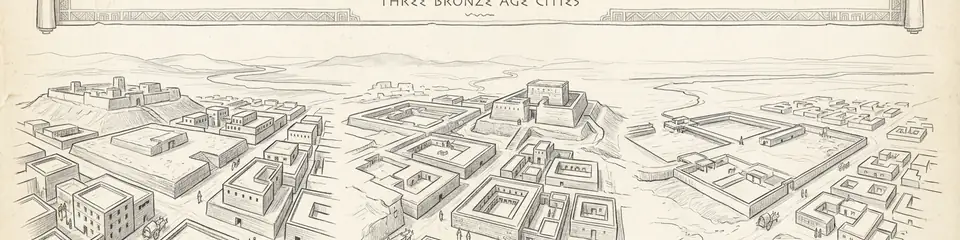
İndus Vadisi Uygarlığı (Harappa Uygarlığı olarak da bilinir) yaklaşık MÖ 2600–1900 yılları arasında günümüz Pakistan'ı ve kuzeybatı Hindistan'da gelişmiştir — Tunç Çağı Mısır'ı ve Mezopotamyası ile çağdaş olup kentsel tasarım, zanaat üretimi ve hâlâ çözülememiş yazısı bakımından farklıdır.
Atlas Anatolia, en iyi belgelenmiş üç kenti birbirine bağlar. Tarihleri, kanıt derecelendirmelerini ve coğrafyayı yan yana görmek için karşılaştırma aracını kullanın.
"Harappa ve Mohenjo-daro planlı kentlerdi — sokaklar dik açılarla kesişir, ev tabanlarının altında kanalizasyonlar uzanırdı — tuğlaların üzerinde kralların adları olmayan bir kentsel düzen."
— John Marshall'ın İndus kazılarına ilişkin raporlarının özeti (1920'ler–30'lar)
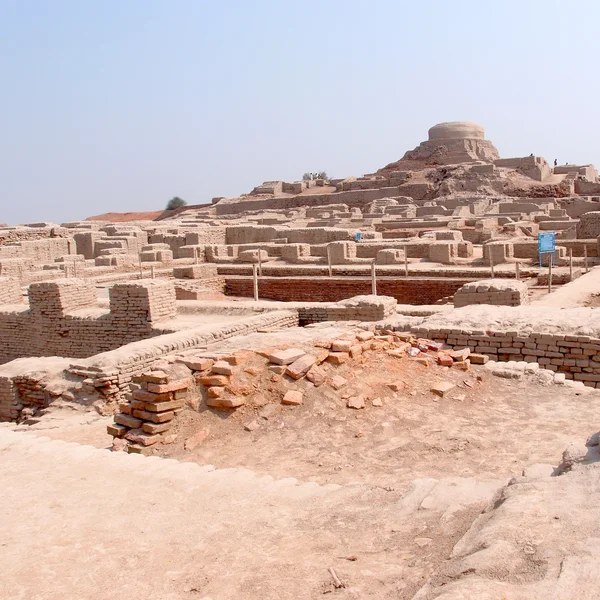
Mohenjo-daro — İndus Üzerinde Izgara Kent
Sind, Pakistan'daki Mohenjo-daro ("Ölüler Höyüğü"), ikonik Harappa kentidir: ana yönlere göre ızgara planında döşenmiş pişmiş tuğla sokaklar, gelişmiş bir kanalizasyon sistemi ve Büyük Hamam — ritüel yıkanmaya hizmet etmiş olabilecek su geçirmez bir havuz. Planda saraylar veya kraliyet mezarları baskın değildir; yerleşim düzeni, çağdaş Mezopotamya veya Mısır'a kıyasla nispeten eşitlikçi bir kentsel örgütlenmeyi akla getirir.
!Mohenjodaro büyük hamam görünümü
Mohenjodaro büyük hamam görünümü | Saqib Qayyum (CC BY-SA 3.0)
Harappa — İsmini Veren Yerleşim
Budist stupa, Mohenjo-daro | Saqib Qayyum (CC BY-SA 3.0)
Ravi Nehri üzerindeki Harappa, uygarlığa arkeolojik adını vermiştir. Kazılarda tahıl ambarları, zanaat atölyeleri ve hayvan motifleri ile kısa yazıtlar taşıyan damga mühürler ortaya çıkarılmıştır. Harappa, olgun Harappa yerleşiminin doğu uzantısını sabitler.
!Gucerat'ın GPS koordinatlı tarihi miras alanları
Gucerat'ın GPS koordinatlı tarihi miras alanları | Ms Sarah Welch (CC BY-SA 4.0)
Dholavira — Rann'daki Kent
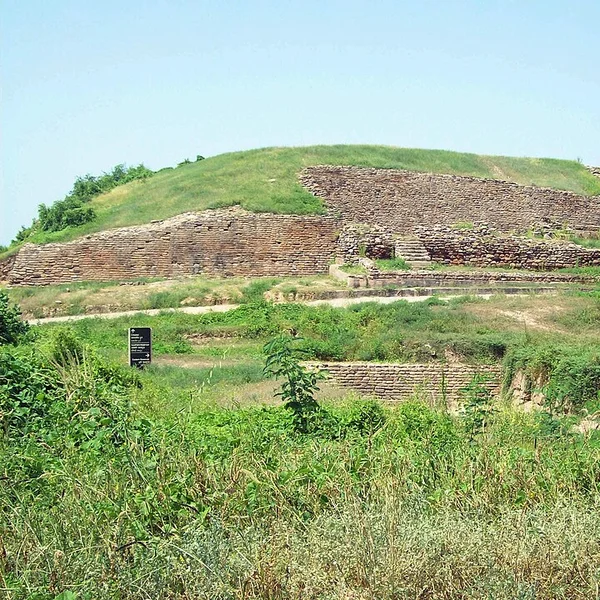
Gucerat'taki Khadir Adası'nda yer alan Dholavira, bir tersane, su rezervuarları ve kurak koşullara uyarlanmış üç parçalı bir kent planını korur — Harappa kentleşmesinin tek bir şablon olmadığını, yerel çevrelere yanıt verdiğini gösteren kanıt.
!Archivo:Prehistoric Ancient And Hindu India.djvu
Archivo:Prehistoric Ancient And Hindu India.djvu | R D banerji (Dominio público)
Lo que aún debatimos
Los académicos continúan debatiendo la escritura del Indo (¿logosilábica o puramente simbólica?), la causa de la desurbanización después de c. 1900 a. C. (cambio climático, avulsión fluvial, transformación socioeconómica) y la relación entre la cultura harappense y las tradiciones védicas posteriores. Atlas Anatolia etiqueta las afirmaciones en consecuencia — Confirmado, Inferido o Debatido — en cada página de sitio.
Explora la cronología del valle del Indo más amplia o abre la URL de comparación para el aula para tareas.
Última actualización: julio de 2026
Pakistan
Mohenjo-daro
Mohenjo-daro, İndus Uygarlığı'nın (yaklaşık MÖ 2500–1700) başlıca kent merkezi, gelişmiş su yönetimi ve standa
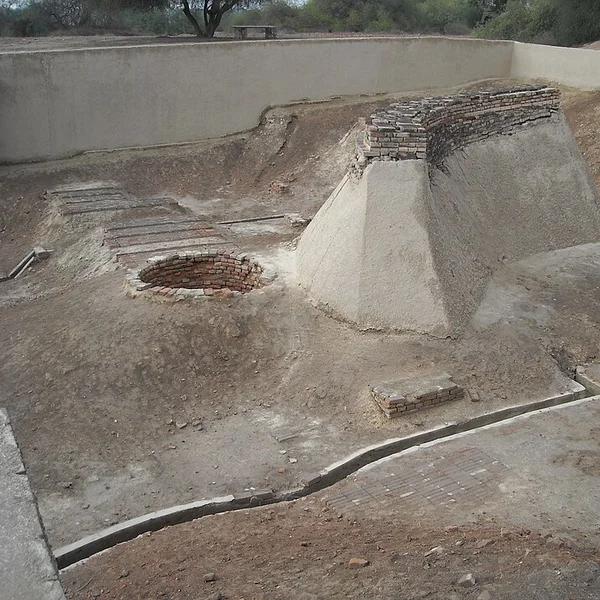
Pakistan
Harappa
İndus Vadisi Uygarlığı'na adını veren şehir — günümüz Pakistan'ında yer alan, 50.000'e kadar insanı barındıran
India
Dholavira
İndus Vadisi Uygarlığı'nın en iyi korunmuş ve en sofistike şehri — uzak bir Gujarat adasında planlı bir Tunç Ç