Overview
The Great Mosque of Córdoba was founded in 785–786 under Abd al-Rahman I on the site of a Visigothic church tradition. Successive Umayyad enlargements under Abd al-Rahman II, Al-Hakam II, and Almanzor created a vast hypostyle hall of superimposed horseshoe arches on recycled columns, culminating in Al-Hakam’s luminous maqsura and mihrab (961–976). After the Christian conquest of 1236 the building became a cathedral; in the 16th century a towering cruciform nave and transept were inserted into the prayer hall, producing the hybrid Mosque–Cathedral visible today.
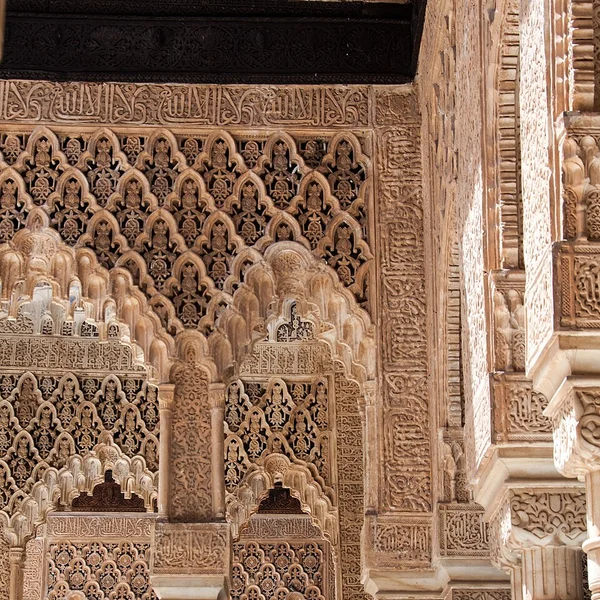
The Patio de los Naranjos, bell tower rising from the former minaret, and the Cordoban marble and jasper of the mihrab remain key experiences. UNESCO protects the Mosque–Cathedral within the Historic Centre of Córdoba. Pair with the Alhambra and Topkapi Palace for contrasting Islamic court architectures of the western and eastern Mediterranean.