


Overview
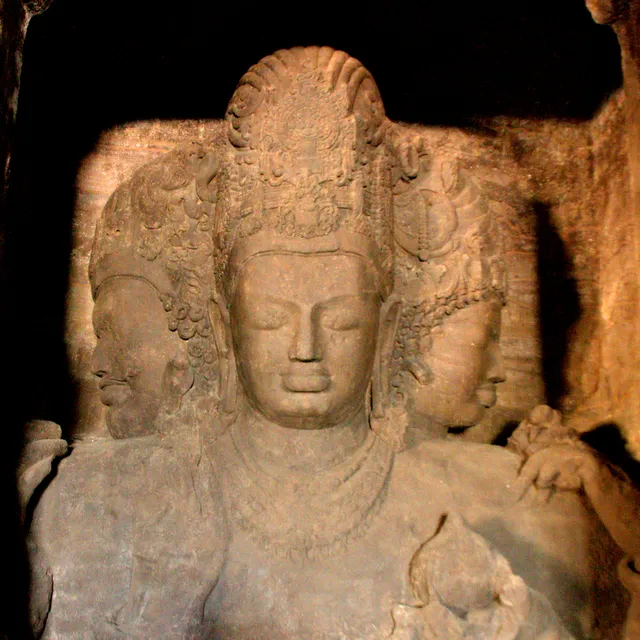
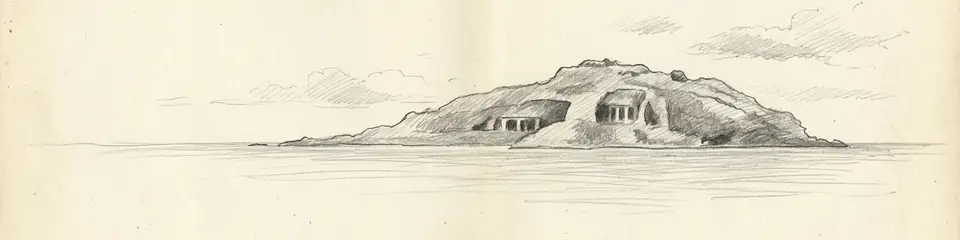
The Elephanta Caves occupy Gharapuri ("city of caves"), an island in Mumbai Harbour about 10 kilometres east of the Gateway of India, Maharashtra. The principal Cave 1 (Great Cave) dates to the 6th–8th centuries CE and contains a massive sculpted panel of Shiva as Trimurti (three-faced creator–preserver–destroyer) roughly 5.5 metres high, flanked by ardhanarishvara, Gangadhara, and other Shaiva scenes carved from living basalt.
Portuguese colonists named the island Elephanta after a stone elephant they found; the figure now stands at the Bhau Daji Lad Museum in Mumbai. The caves were defaced during Portuguese rule but remain the supreme example of early medieval western Indian rock-cut architecture. Smaller caves and unfinished excavations dot the hill.
The Archaeological Survey of India manages the site; UNESCO inscribed the Elephanta Caves in 1987. Daily ferries carry thousands of visitors from Mumbai, making it one of the most accessible major rock-cut complexes in India.