
Перейти к содержанию
Atlas Anatolia
НовостиЗубы ледникового периода на Сулавеси отодвигают использование бетеля на 25 000 лет назадРимская мозаика и голова Эрота обнаружены в базилике Помпейополиса, Кастамону
Mud-brick ziggurat of Chogha Zanbil in Khuzestan

Wikimedia Commons (CC BY-SA 4.0)

Continent Record

Oldest Temple in Asia

ХрамЮНЕСКОИзбранное

Chogha Zanbil

Seyfi Cem Baskin

چغازنبیل1250 до н. э. – 640 до н. э.

The best-preserved ziggurat of ancient Elam — a mud-brick mountain raised by Untash-Napirisha in the 13th century BCE near Susa — anchors the archaeology of southwestern Iran.

21
Интерес 59

Местоположение

Иран

32.01°N · 48.52°E · Азия

Founder

Untash-Napirisha, mid-13th c. BCE

Ancient name

Dur-Untash

Excavated

Ghirshman, 1951–1962

UNESCO

Inscribed 1979

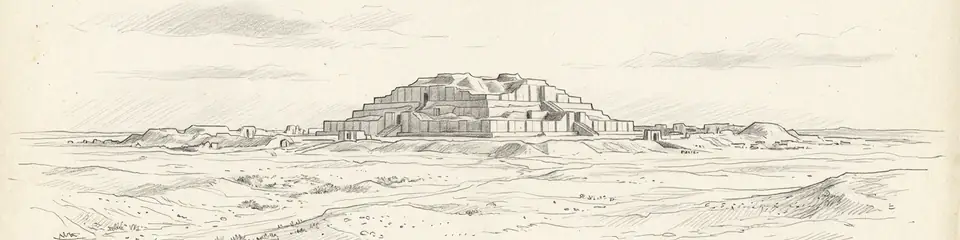
Graphite pencil sketch banner of Chogha Zanbil

“Chogha Zanbil is the most complete surviving ziggurat outside Mesopotamia’s alluvial heartland and the key monumental witness to Middle Elamite state religion.”

Местоположение

Обзор

Chogha Zanbil (Dur-Untash) stands in Khuzestan, Iran, about 40 km southeast of Susa. King Untash-Napirisha founded the sacred city in the mid-13th century BCE, dedicating its ziggurat to the gods Inshushinak and Napirisha. The stepped mud-brick tower originally rose in multiple terraces; baked-brick sheathing, glazed decoration, and surrounding temples, palaces, and a protective wall defined a major Elamite cult centre that was never finished to its full planned extent.

Assyrian campaigns under Ashurbanipal devastated Elam in the 7th century BCE; the site was thereafter largely abandoned and buried until Roman Ghirshman’s excavations (1951–1962) revealed the ziggurat’s plan. UNESCO inscribed Chogha Zanbil in 1979 as Iran’s first World Heritage property. Pair with Susa and Pasargadae for the Elamite-to-Achaemenid arc of southwestern Iranian capitals.

Почему это важно

Chogha Zanbil is the most complete surviving ziggurat outside Mesopotamia’s alluvial heartland and the key monumental witness to Middle Elamite state religion. It shows how Elamite builders adapted Mesopotamian sacred architecture to local materials and politics.

Свидетельства и интерпретация

Различать, что хорошо установлено, а что остаётся предметом дискуссий.

Хорошо установленные факты

2
  • Elamite brick inscriptions naming Untash-Napirisha and the gods Inshushinak and Napirisha secure the ziggurat’s royal dedication.
  • Ghirshman’s stratified clearance mapped terraces, temples, and the unfinished upper stages of the ziggurat.

Научные выводы

1
  • Abandonment after Assyrian campaigns explains the exceptional survival of mud-brick mass under later desert cover.

Фотографии сообщества

Поделитесь своими впечатлениями

Вы посещали это место? Загрузите свои фотографии, чтобы помочь другим открыть его для себя.

Как цитировать эту страницу

Atlas Anatolia. (1250). Chogha Zanbil. Atlas Anatolia. https://atlasanatolia.com/ru/site/chogha-zanbil

Материалы распространяются по лицензии CC BY-SA 4.0 — при повторном использовании указание авторства обязательно.

Источники

  • Tchoga Zanbil (Dur-Untash) — Ghirshman, Roman (1966)
  • UNESCO — Tchogha ZanbilСсылка

Часто задаваемые вопросы

Где находится Chogha Zanbil?

Chogha Zanbil находится в Iran.

Сколько лет Chogha Zanbil?

Chogha Zanbil датируется приблизительно 1250 до н. э. – 640 до н. э..

С какими цивилизациями связано место Chogha Zanbil?

Chogha Zanbil связано с цивилизацией: Elamite.

Почему Chogha Zanbil имеет важное значение?

Chogha Zanbil is the most complete surviving ziggurat outside Mesopotamia’s alluvial heartland and the key monumental witness to Middle Elamite state religion.

Входит ли Chogha Zanbil в список Всемирного наследия ЮНЕСКО?

Да — Chogha Zanbil включено в список Всемирного наследия ЮНЕСКО.