
Перейти к содержанию
Atlas Anatolia
НовостиЗубы ледникового периода на Сулавеси отодвигают использование бетеля на 25 000 лет назадРимская мозаика и голова Эрота обнаружены в базилике Помпейополиса, Кастамону
Mud-brick ksar of Aït Ben Haddou climbing a hillside in Morocco

Wikimedia Commons (CC BY-SA 3.0)

Continent Record

Oldest Settlement in Africa

ПоселениеЮНЕСКОИзбранное

Aït Ben Haddou

Seyfi Cem Baskin

آيت بن حدو1600 н. э. – 1950 н. э.

A fortified earthen ksar on the old caravan route between the Sahara and Marrakesh, its stacked pisé towers climbing a hillside above the Ounila River. UNESCO listed the ensemble in 1987; filmmakers from Gladiator to recent Trojan epics have used its ridge as a stand-in for ancient walled cities when cameras need sun, dust, and mud-brick authenticity.

211
Интерес 18

Местоположение

Марокко

31.05°N · 7.13°W · Африка

UNESCO

World Heritage Site (1987)

Material

Pisé (rammed earth) and mud brick

Route

Historic caravan link Marrakesh–Sahara

Cinema

Frequent location double for ancient walled cities

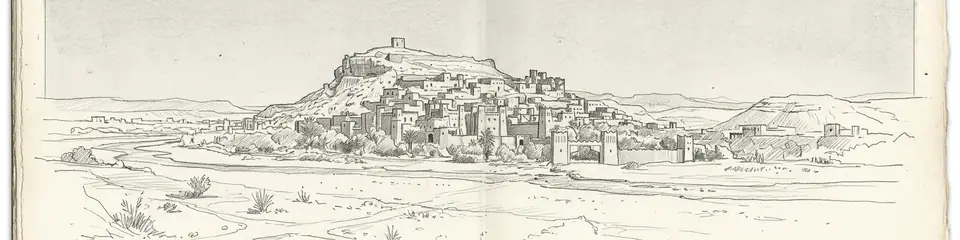
Graphite pencil sketch banner of Aït Ben Haddou

“Aït Ben Haddou shows how caravan-era Berber builders engineered multi-storey earth architecture that still reads as "ancient" on camera a thousand years later.”

Местоположение

Обзор

Aït Ben Haddou rises from the Ounila Valley in the High Atlas foothills of Morocco, about 30 kilometres northwest of Ouarzazate. The site is a ksar, a communal fortified village of pisé (rammed earth) and mud brick, with a kasbah at the summit and granaries, dwellings, and a public square stepping down the slope. Berber families lived here into the 20th century; most residents now inhabit the modern village across the river, but the old ksar remains intact enough to read as a medieval North African skyline.

Caravans once carried salt, gold, and slaves along this corridor toward Marrakesh and the desert. The architecture reflects Glaoui clan power in the 17th and 18th centuries, though earlier occupation layers exist. UNESCO inscribed Aït Ben Haddou in 1987 as an outstanding example of southern Moroccan earthen architecture.
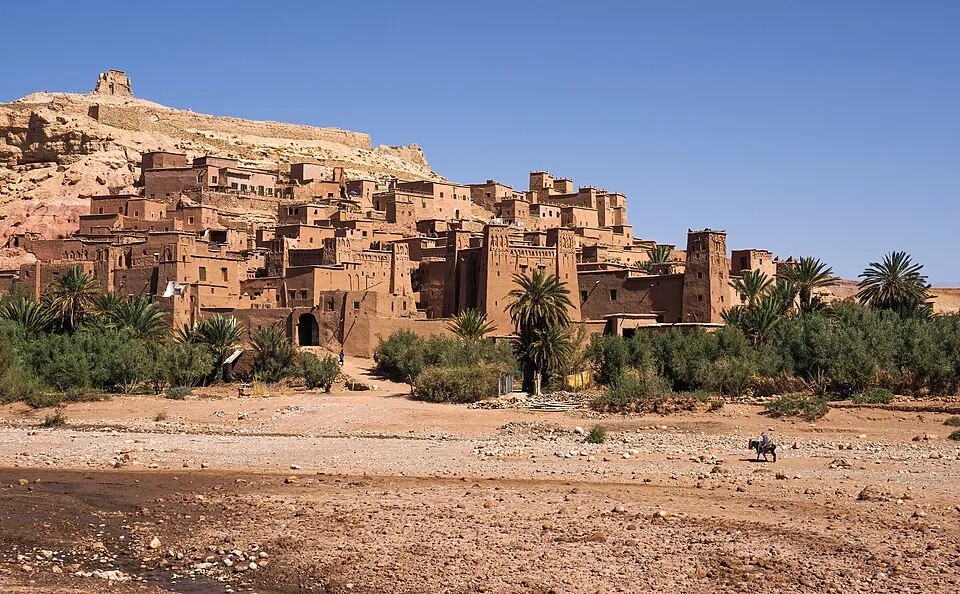
Ksar Aït Benhaddou, Marocco (أيت بن حدو، المغرب, ⴰⵢⵜ ⵃⴰⴷⴷⵓ)
Ksar Aït Benhaddou, Marocco (أيت بن حدو، المغرب, ⴰⵢⵜ ⵃⴰⴷⴷⵓ) | Petar Milošević (CC BY-SA 4.0)
"The ksar climbs the hillside in tiers of earth and straw, each family's granary stacked above the last, as if the mountain itself had been taught to build."
— Paraphrase of UNESCO description of Aït Ben Haddou

Hollywood location scouts know the ksar well. Lawrence of Arabia, Gladiator, and Game of Thrones filmed among these walls. When Christopher Nolan's production of Homer's Odyssey needed exterior shots of a Bronze Age citadel, reports placed unit work here rather than at archaeological Troy in Turkey. That choice separates cinematic Troy from Hisarlık: the film's walls are Moroccan mud brick; the excavated city is stone and brick on the Dardanelles. Both can enrich a viewer's curiosity if labelled honestly.
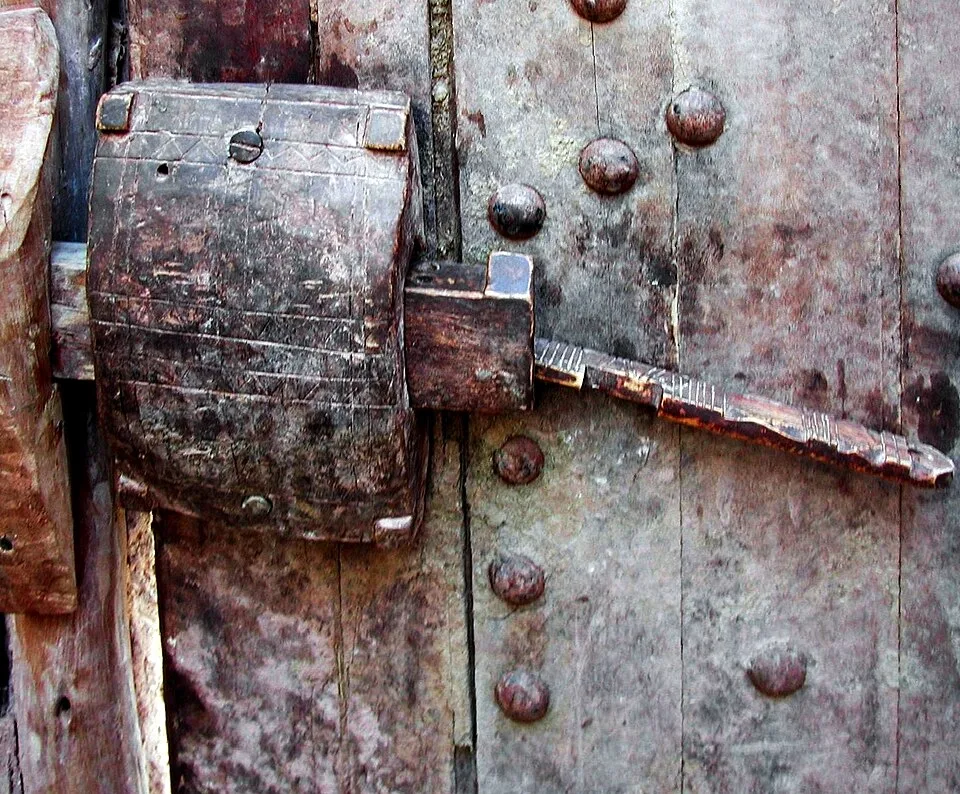
Wooden lock in Ksar of Aït-Ben-Haddou
Wooden lock in Ksar of Aït-Ben-Haddou | Pierre André Leclercq (CC BY-SA 4.0)

Visitors ford the river (or use a footbridge) and climb alleys so narrow two people cannot pass. From the top granary the valley opens south toward Ouarzazate's studios. Pair the ksar with Volubilis and desert routes in Atlas stories to compare Roman stone with Berber earth.
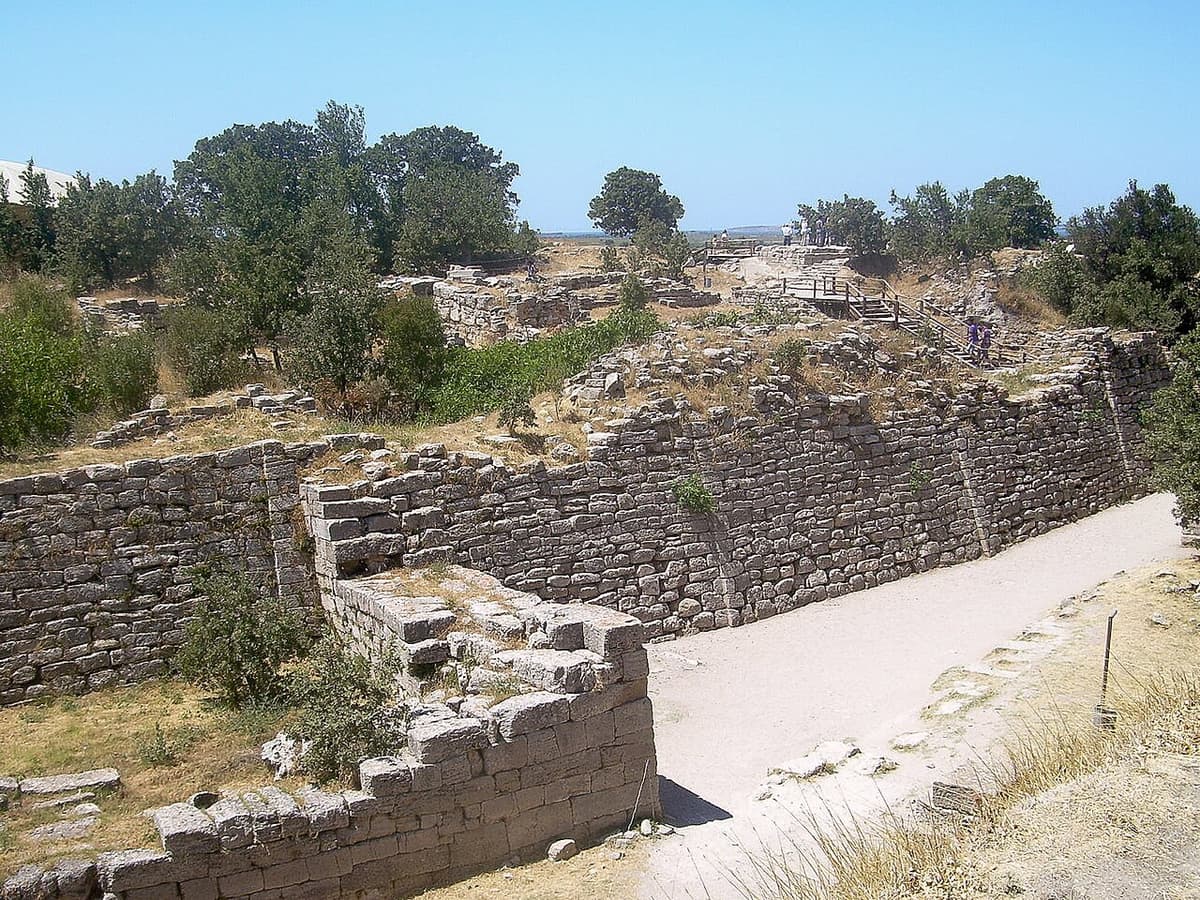
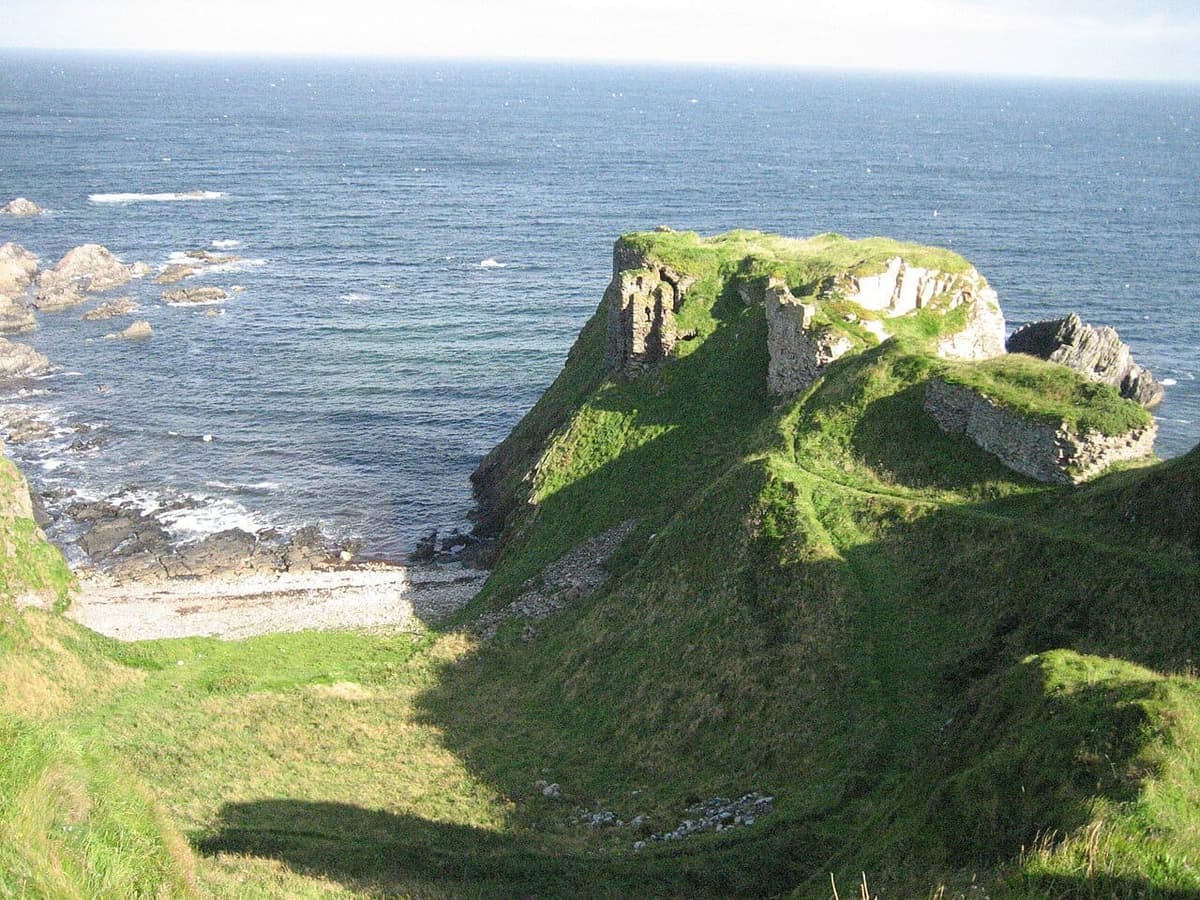
Почему это важно

Aït Ben Haddou shows how caravan-era Berber builders engineered multi-storey earth architecture that still reads as "ancient" on camera a thousand years later. It is the clearest teaching moment for separating Homeric Troy at Hisarlık from film-set Troy in Morocco.

Свидетельства и интерпретация

Различать, что хорошо установлено, а что остаётся предметом дискуссий.

Хорошо установленные факты

2
  • UNESCO documentation dates the visible ksar largely to the 17th–18th centuries CE under Glaoui patronage.
  • Earthen architecture and urban layout match known Berber ksar typology.

Научные выводы

1
  • The site served trans-Saharan trade caravans before modern roads bypassed the valley.

Спорные интерпретации

1
  • How much earlier occupation lies beneath the standing ksar is not fully published.

Фотографии сообщества

Поделитесь своими впечатлениями

Вы посещали это место? Загрузите свои фотографии, чтобы помочь другим открыть его для себя.

Похожие истории

Как цитировать эту страницу

Atlas Anatolia. (1600). Aït Ben Haddou. Atlas Anatolia. https://atlasanatolia.com/ru/site/ait-ben-haddou

Материалы распространяются по лицензии CC BY-SA 4.0 — при повторном использовании указание авторства обязательно.

График

Связи с соответствующими памятниками и историями.

Источники

  • UNESCO — Ksar of Ait-Ben-HaddouСсылка
  • Cités imprenables du Haut-Atlas — Micaud, Charles (1956)

Часто задаваемые вопросы

Где находится Aït Ben Haddou?

Aït Ben Haddou находится в Morocco.

Сколько лет Aït Ben Haddou?

Aït Ben Haddou датируется приблизительно 1600 н. э. – 1950 н. э..

С какими цивилизациями связано место Aït Ben Haddou?

Aït Ben Haddou связано с цивилизацией: Islamic / Medieval, Berber.

Почему Aït Ben Haddou имеет важное значение?

Aït Ben Haddou shows how caravan-era Berber builders engineered multi-storey earth architecture that still reads as "ancient" on camera a thousand years later.

Входит ли Aït Ben Haddou в список Всемирного наследия ЮНЕСКО?

Да — Aït Ben Haddou включено в список Всемирного наследия ЮНЕСКО.