
Most visitors remember the façade. The builders remembered the walk.
At half a dozen Atlas sites, the approach is not leftover landscape. It is choreography: choke the light, raise the ground, force a turn, then open the view when you are already small. This guide follows six of those paths, with full site pages linked so you can check dates, excavators, and evidence ratings before the poetry of travel writing runs ahead of the archaeology.
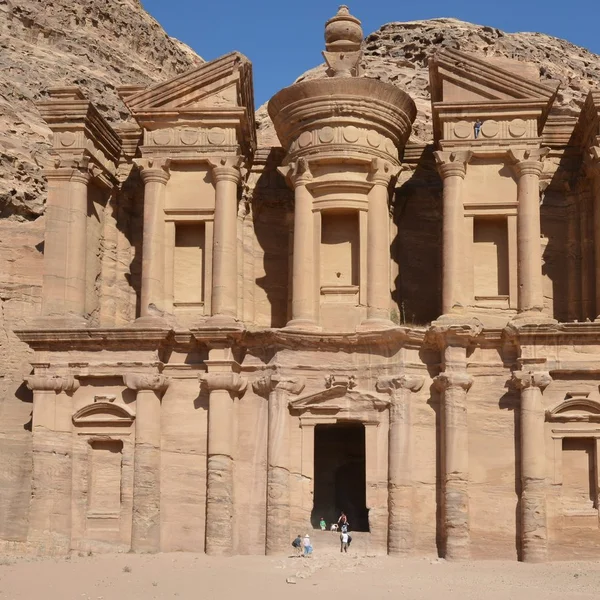
Jordan
Petra
Petra, the Nabataean capital from ~300 BCE to 700 CE, is famed for its rock-cut tombs and sophisticated water
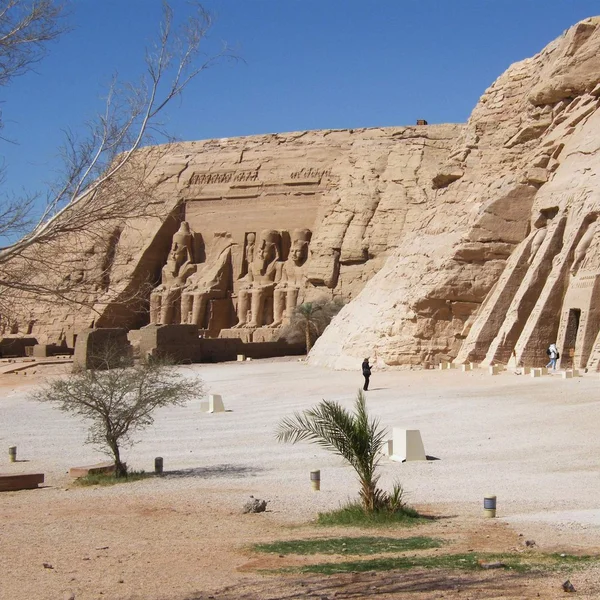
Egypt
Abu Simbel
The twin rock temples of Abu Simbel, carved by Ramesses II (c. 1264–1244 BCE) in Nubia, showcase colossal stat
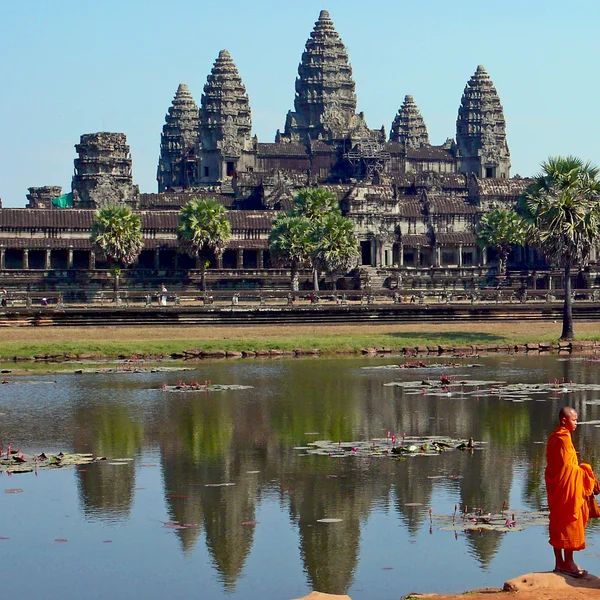
Cambodia
Angkor Wat
Angkor Wat, the world’s largest religious monument, was built as a Hindu temple dedicated to Vishnu by Khmer k
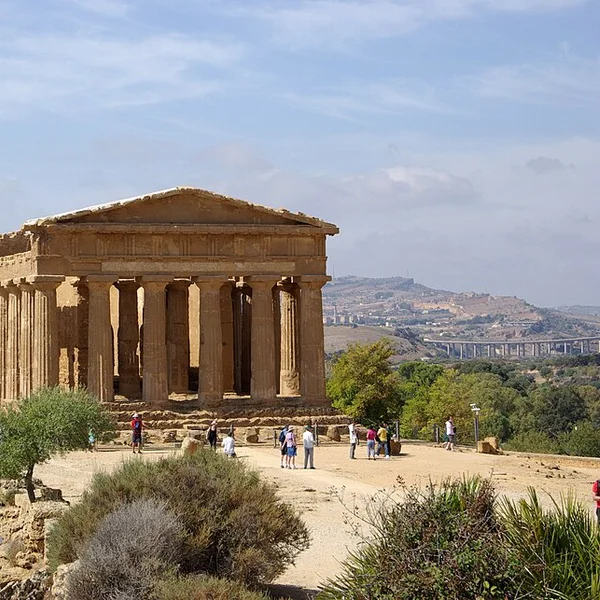
Italy
Valley of the Temples
The Doric ridge of ancient Akragas — Concordia, Juno, Heracles, and Zeus among the best-preserved Greek temple
Peru
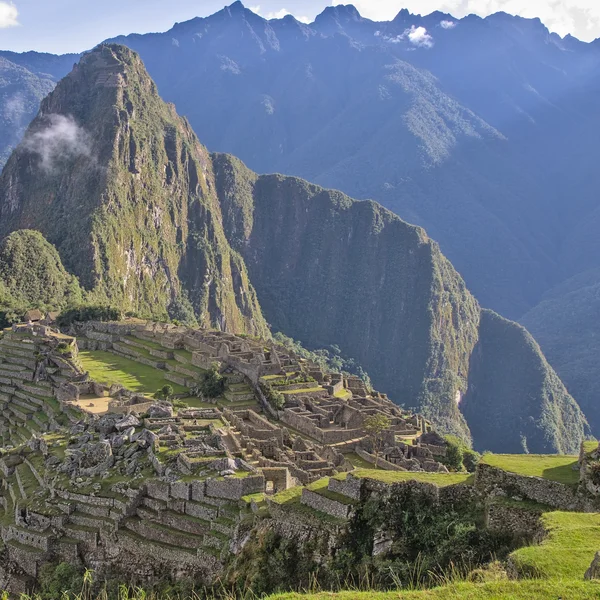
Machu Picchu
An Inca citadel built c. 1450 CE, Machu Picchu sits atop a mountain ridge in Peru. Abandoned during the Spanis
France
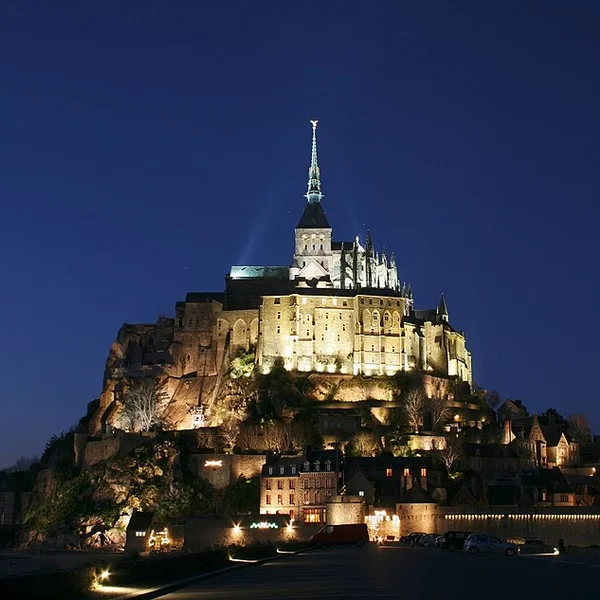
Mont-Saint-Michel
The fortified abbey on a granite tidal island off the Normandy coast — a Benedictine monastery whose spire-top
Petra: the canyon as vestibule
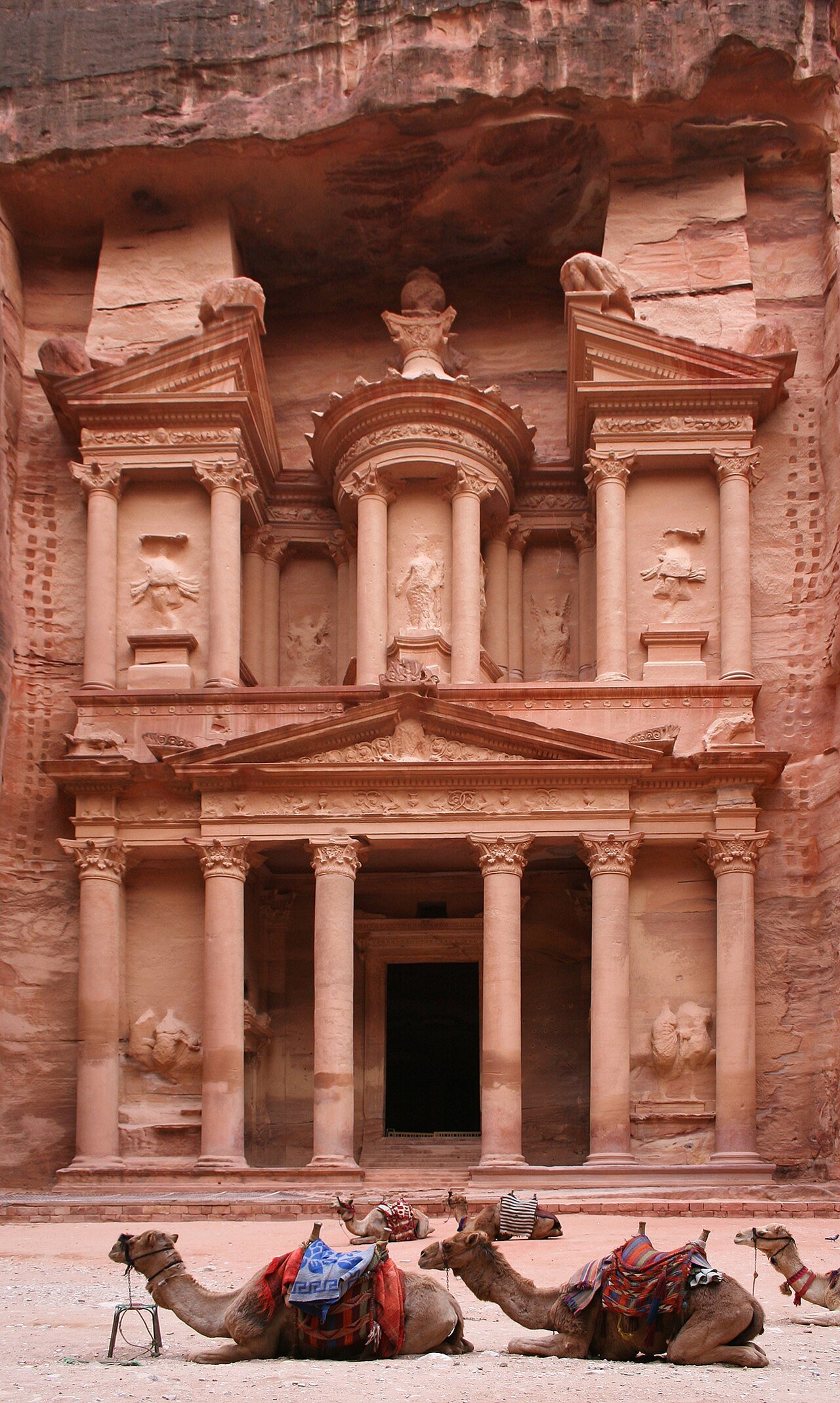
Nothing at Petra works without the Siq. The Nabataean city sits in a basin of rose sandstone in southern Jordan, but the classic arrival still squeezes you through a fault corridor that can feel barely wider than a cart. Walls rise. Sound dampens. Then the rock walls part and Al-Khazneh fills the slot of sky: a Hellenistic-looking rock-cut façade that reads as theatre because the canyon has already done the staging.
Petra is more than one postcard. Tombs, a theatre, a colonnaded street, and high places climb the surrounding cliffs. Start with the Siq on the site page, then open the map and notice how water channels and dams sit beside the processional route. Nabataean engineering was not only spectacle. It kept a desert city alive.
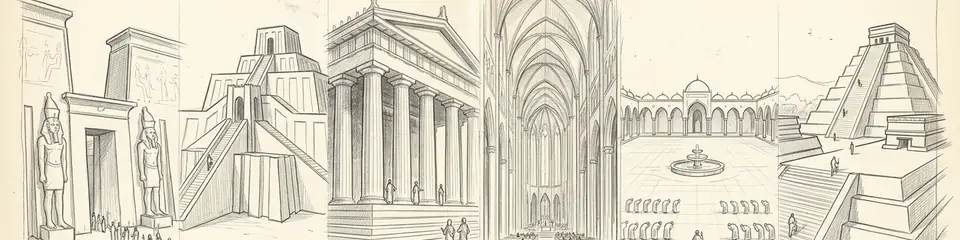
!Pencil field sketch of a narrow canyon corridor opening toward a rock-cut façade")
The sketch above is deliberately rough. Photos of Petra can look polished to the point of fiction. A notebook line is closer to how the approach feels underfoot: uneven, shaded, then suddenly bright.
Abu Simbel: the terrace that faces the sun
At Abu Simbel in Nubia, Ramesses II cut two temples into a Nile cliff in the 13th century BCE. Four colossal seated statues of the king still dominate the Great Temple front. The approach is open desert and river light rather than a canyon, yet the terrace and axial alignment do the same social work: you arrive under a gaze that does not blink.
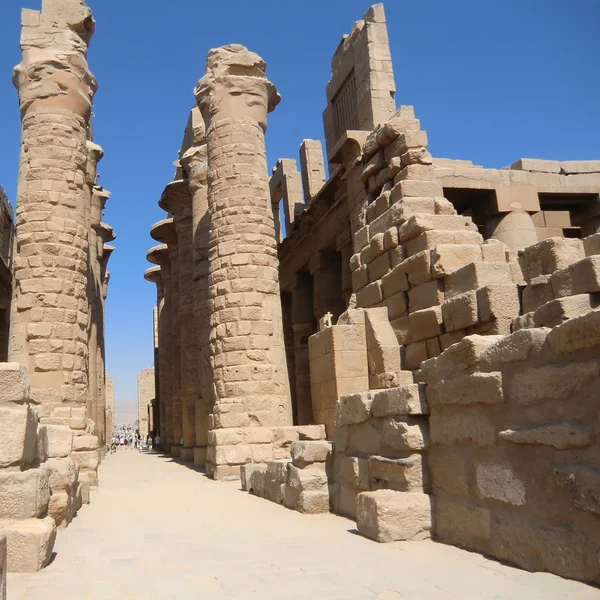
UNESCO’s rescue of the temples in the 1960s (cut into blocks and reassembled above the rising Lake Nasser) is part of the modern story. The ancient design intent remains readable. Pair Abu Simbel with Karnak if you want the inland Theban processional world of the same New Kingdom milieu.
Angkor Wat: water, causeway, then mountain-temple
Angkor Wat in Cambodia is a 12th-century Vishnu temple-mountain wrapped in a moat large enough to read as a horizon. Cross the western causeway and the towers rise in stepped profile: Meru made of laterite and sandstone. The approach teaches Hindu cosmology with your feet. Outer enclosure, galleries, central shrine. Each threshold is a smaller world.
Angkor is a landscape of hundreds of temples. Use the Atlas Angkor page for the flagship monument, then browse related Khmer sites from its related links when you want Bayon faces and forested galleries beyond the postcard sunrise.
Agrigento: temples in a line along the ridge
South of modern Agrigento on Sicily, the so-called Valley of the Temples is really a ridge. Greek Akragas planted Doric temples along the city’s southern edge in the 5th century BCE. Walking the ridge today, Concordia still stands nearly complete. The ruined Olympieion once carried atlas figures. The approach is horizontal: a civic skyline aimed at sea and plain, not a single door.
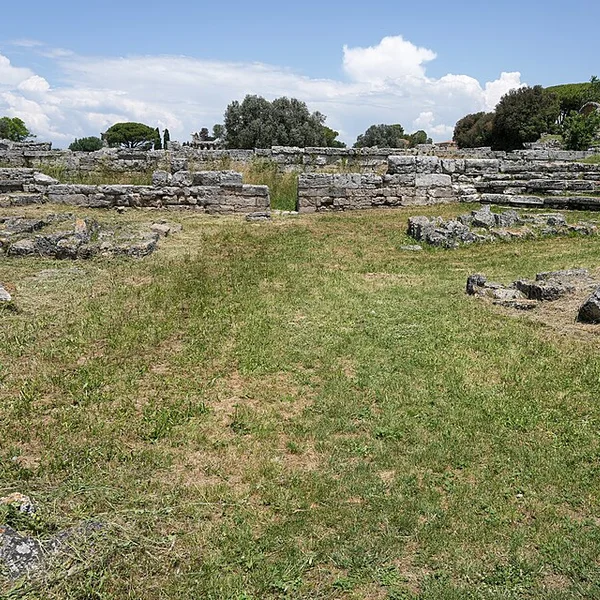
If Greek Sicily interests you, keep Agrigento beside mainland Paestum in the compare tool and watch how western Greek colonies reused the same Doric grammar in different landscapes.
Machu Picchu: altitude as filter
Machu Picchu sits on a ridge spur above the Urubamba in Peru. Whether you hike the Inca Trail or ride the train to Aguas Calientes, the last stretch is vertical. Cloud forest, agricultural terraces, then the urban core with its Intihuatana and Temple of the Sun. Hiram Bingham’s 1911 publicity made the site famous; Inca stonework and hydrology make it worth the climb.
Atlas marks debated claims carefully here (royal estate vs. religious retreat vs. both across phases). Read the evidence block before treating any single documentary theory as closed.
Mont Saint-Michel: tide as gatekeeper
Mont Saint-Michel off Normandy is medieval abbey piled on a granite tidal island. For centuries the approach depended on sand flats and dangerous tides. A modern causeway (and earlier bridge works) changed the logistics, yet the silhouette still teaches the old lesson: the sacred place is hard to reach on purpose. Pilgrimage architecture can use water the way Petra uses rock.
How to use these pages together
Open the six-site compare for classroom worksheets. On each site page, prefer Confirmed lines for dates and dimensions, and treat “first temple” or “lost city” language as marketing until the evidence section agrees.
Explore next
- Petra · Abu Simbel · Angkor Wat
- Valley of the Temples · Machu Picchu · Mont Saint-Michel
- Related reading: UNESCO archaeological map guide
Last updated: July 2026


