
Vai al contenuto
Atlas Anatolia
NotizieIce Age teeth in Sulawesi push betel-nut use back as far as 25,000 yearsRoman mosaic and Eros head uncovered in the basilica at Pompeiopolis, Kastamonu
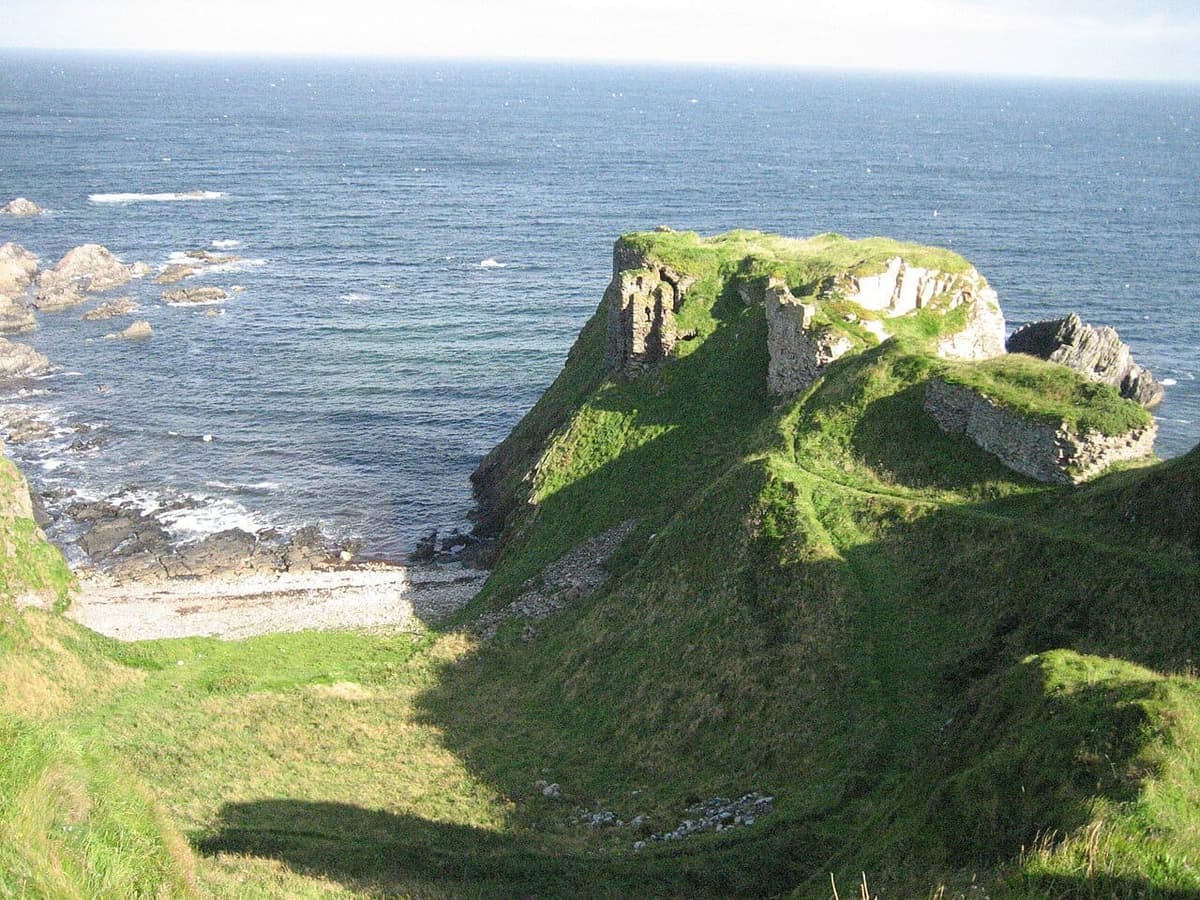
Ruins of Findlater Castle on a cliff above the Moray Firth, Scotland

Wikimedia Commons (CC BY-SA 4.0)

PatrimonioFortezza

Findlater Castle

Seyfi Cem Baskin

1246 d.C. – 1653 d.C.

A ruined cliff castle on the Moray Firth, scheduled as a Scottish monument and used as a coastal Ithaca stand-in for Christopher Nolan’s 2026 Odyssey film.

21
Interesse 51

Posizione

Regno Unito

57.69°N · 2.77°W · Europa

First mentioned

1246

Cliff height

c. 15 m above Moray Firth

Scheduled

SM2846 (Historic Environment Scotland)

Film use

Nolan Odyssey Ithaca cliff unit (2025)

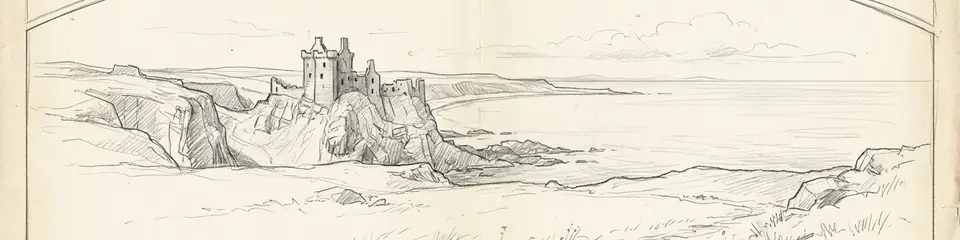
Graphite pencil sketch banner of Findlater Castle

Findlater shows how modern epic cinema borrows real cliff fortresses while Homeric Ithaca remains an Ionian archaeological and topographical problem.”

Posizione

Panoramica

Findlater Castle clings to a quartz-rich cliff about 15 m above the Moray Firth, west of Banff between Cullen and Portsoy in Aberdeenshire. The name comes from Scots Gaelic fionn leitir, “white cliff.” The first written notice dates to 1246. Alexander III repaired the stronghold in the 1260s against a Norwegian threat under Haakon IV. The ruins visible today largely reflect a fourteenth-century rebuild, with further licences to repair issued to Walter Ogilvy in 1445.

Mary, Queen of Scots sent artillery against the castle in 1562 during the Huntly crisis. By the seventeenth century the Earls of Findlater preferred Cullen House inland, and the cliff seat fell into picturesque ruin. Historic Environment Scotland lists it as scheduled monument SM2846.

In 2025 unit photography for Christopher Nolan’s The Odyssey used Findlater and the nearby Moray Firth coast (including Culbin Forest) when the production needed a northern cliff for Ithaca-adjacent castle and shoreline work. The stones are medieval Scotland, not Bronze Age Ionian Greece. Pair the visit with Atlas stops at Ithaca and Methoni if you want poem, harbour fort, and film geography on one itinerary.
Perché è importante

Findlater shows how modern epic cinema borrows real cliff fortresses while Homeric Ithaca remains an Ionian archaeological and topographical problem. It also preserves a compact Scottish medieval story of Ogilvy lords, Gordon intrigue, and coastal defence.

Evidenze e interpretazione

Distinguere ciò che è ben consolidato da ciò che rimane dibattuto.

Fatti ben consolidati

2
  • Documentary and fabric evidence place a medieval castle on this cliff from at least the thirteenth century.
  • Production reporting places Nolan Odyssey Moray Firth / Findlater photography in 2025.

Interpretazioni dibattute

1
  • Which Odyssey scenes used Findlater versus nearby Culbin or other Moray locations remains production-detail dependent.

Foto della comunità

Condividi la tua esperienza

Hai visitato questo sito? Carica le tue foto per aiutare gli altri a scoprirlo.

Storie correlate

Come citare questa pagina

Atlas Anatolia. (1246). Findlater Castle. Atlas Anatolia. https://atlasanatolia.com/it/site/findlater-castle

Contenuto con licenza CC BY-SA 4.0 — è richiesta l'attribuzione in caso di riutilizzo.

Grafico

Collegamenti a siti e storie correlati.

Fonti

  • Daughters of the NorthHenderson, Jennifer Morag (2025)
  • Findlater Castle (SM2846)Historic Environment Scotland (1969)

Domande frequenti

Dove si trova Findlater Castle?

Findlater Castle si trova in United Kingdom.

A quando risale Findlater Castle?

Findlater Castle risale all'incirca al 1246 d.C. – 1653 d.C..

Quali civiltà sono associate a Findlater Castle?

Findlater Castle è associato alla civiltà Celtic, British.

Perché Findlater Castle è importante?

Findlater shows how modern epic cinema borrows real cliff fortresses while Homeric Ithaca remains an Ionian archaeological and topographical problem.

Findlater Castle è un sito Patrimonio Mondiale dell'UNESCO?

Findlater Castle non è attualmente iscritto nella lista del Patrimonio Mondiale dell'UNESCO.