Saltar al contenido
Atlas Anatolia
NoticiasIce Age teeth in Sulawesi push betel-nut use back as far as 25,000 yearsRoman mosaic and Eros head uncovered in the basilica at Pompeiopolis, Kastamonu
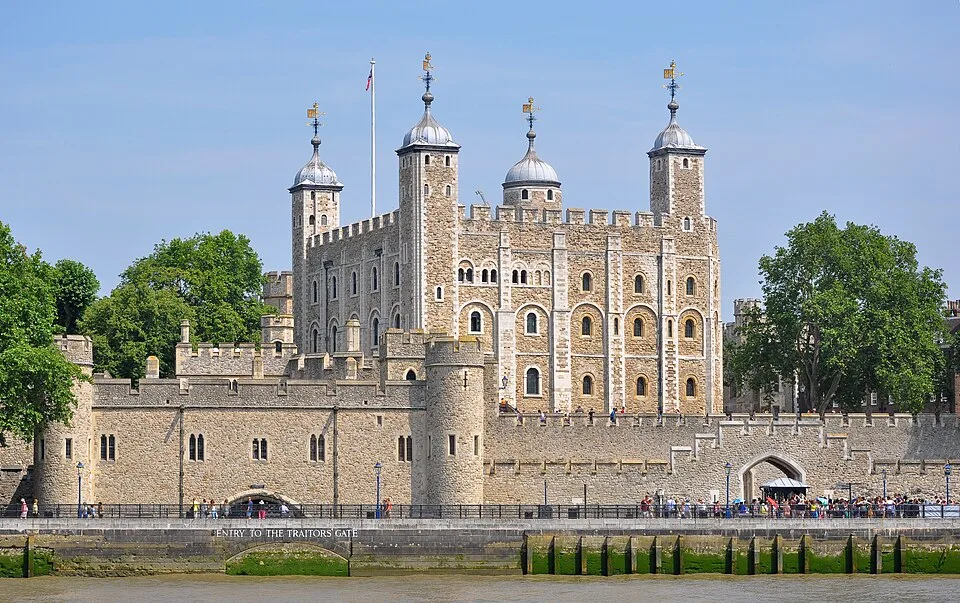
The White Tower and walls of the Tower of London beside the Thames

Wikimedia Commons (CC BY-SA 4.0)

Récord nacional

Oldest Fortress in United Kingdom

PatrimonioFortalezaUNESCODestacado

Tower of London

Seyfi Cem Baskin

1078 d. C. – 1952 d. C.

William the Conqueror's White Tower on the Thames — fortress, prison, mint, and home of the Crown Jewels — ranks among the most searched historic sites in English and Chinese Wikipedia and anchors a millennium of British state power.

21
Interés 88

Ubicación

Reino Unido

51.51°N · 0.08°W · Europa

White Tower

Begun c. 1078 for William the Conqueror

Crown Jewels

Displayed in Jewel House since 1967

Ravens

At least six kept; legend guards the kingdom

UNESCO

Tower of London (1988)

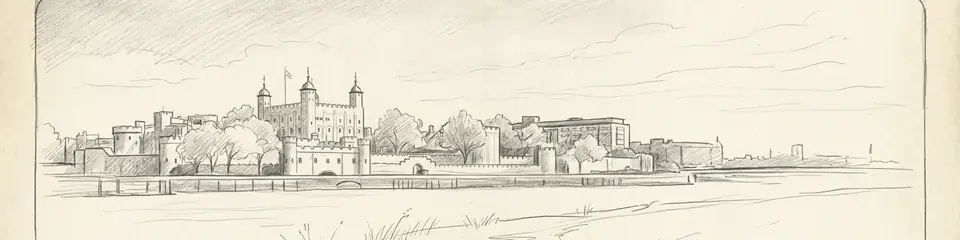
Graphite pencil sketch banner of Tower of London

The Tower compresses a thousand years of English governance — conquest, treasury, imprisonment, and ceremony in one walled compound.”

Ubicación

Resumen

The Tower of London stands on the north bank of the River Thames in the City of London. William I founded the White Tower, the great Norman keep, from 1078 to assert control over his new capital. Successive kings added curtain walls, moat, and towers — the complex served as royal residence, armoury, treasury, menagerie, and prison.

The Crown Jewels displayed in the Jewel House include regalia used at coronations. Ravens kept on the green obey legend that the kingdom falls if they leave. Executions on Tower Green included Anne Boleyn and Lady Jane Grey; the Princes in the Tower disappearance (1483) remains a forensic and historical controversy.

"This Tower is a citadel to defend or command the city; a royal palace; a prison for the most dangerous offenders; the only place of coinage; a treasury; and an office of records."
— John Stow, A Survey of London (1598), on the Tower

Jubilee and Munin, Ravens, Tower of London 2016-04-30
Jubilee and Munin, Ravens, Tower of London 2016-04-30 | Colin (CC BY-SA 4.0)
Tower of London viewed from the River Thames
Tower of London viewed from the River Thames | Bob Collowan (CC BY-SA 3.0)
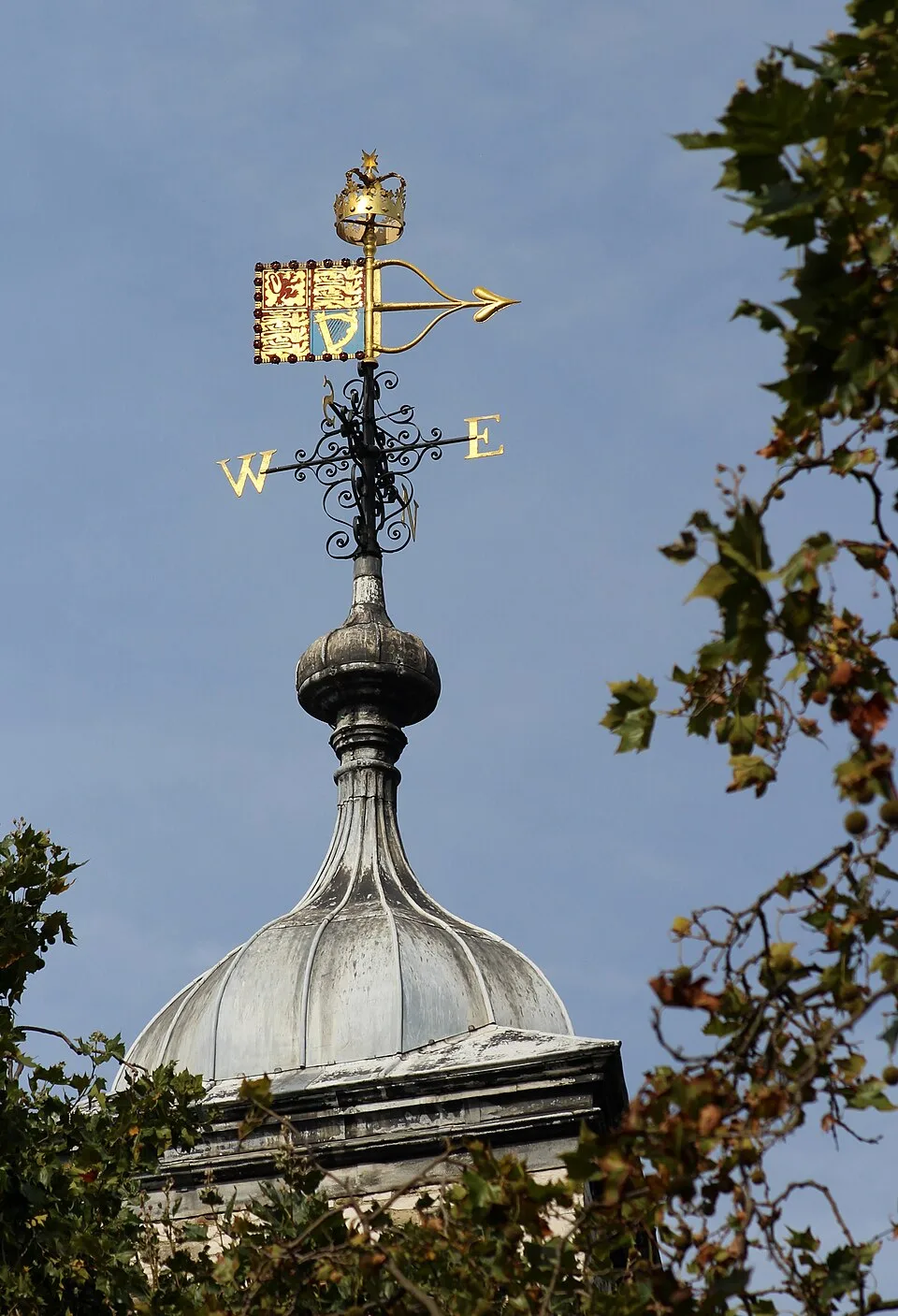
LondonTower WeatherVane
LondonTower WeatherVane | Martinvl (CC BY-SA 3.0)

Yeoman Warders (Beefeaters) guide visitors; the Tower remains a working fortress under the Constable's command. UNESCO inscribed the Tower of London in 1988 as a key Norman and medieval monument. Pair with Westminster Abbey for coronation versus fortress narratives.

Por qué es importante

The Tower compresses a thousand years of English governance — conquest, treasury, imprisonment, and ceremony in one walled compound. Its Crown Jewels and prison stories drive search interest that connects medieval history to living monarchy.

Evidencia e interpretación

Distinguir lo bien establecido de lo que sigue en debate.

Hechos bien establecidos

2
  • Norman masonry, royal accounts, and archaeological finds date White Tower and curtain phases.
  • Execution and imprisonment records name Tudor-era prisoners including Anne Boleyn (1536).

Interpretaciones debatidas

1
  • Fate of the Princes in the Tower (1483) remains unresolved — Richard III responsibility debated.

Fotos de la comunidad

Comparte tu experiencia

¿Has visitado este sitio? Sube tus fotos para ayudar a otros a descubrirlo.

Cómo citar esta página

Atlas Anatolia. (1078). Tower of London. Atlas Anatolia. https://atlasanatolia.com/es/site/tower-of-london

Contenido bajo licencia CC BY-SA 4.0 — se requiere atribución al reutilizar.

Fuentes

  • The Tower of London: The Official Illustrated HistoryImpey, Edward (2000)
  • UNESCO — Tower of LondonEnlace

Preguntas frecuentes

¿Dónde se encuentra Tower of London?

Tower of London se encuentra en United Kingdom.

¿Qué antigüedad tiene Tower of London?

Tower of London se fecha aproximadamente en 1078 d. C. – 1952 d. C..

¿Qué civilizaciones se relacionan con Tower of London?

Tower of London se relaciona con British.

¿Por qué es importante Tower of London?

The Tower compresses a thousand years of English governance — conquest, treasury, imprisonment, and ceremony in one walled compound.

¿Tower of London es Patrimonio Mundial de la UNESCO?

Sí. Tower of London está inscrito en la Lista del Patrimonio Mundial de la UNESCO.