Es gibt ein Paradoxon im Herzen der hethitischen Geschichte. Die Hethiter waren nach jedem vernünftigen Maßstab eine der großen Mächte der antiken Welt. Sie schlossen Verträge mit Ägypten, besiegten Armeen aus Mesopotamien und kontrollierten eines der größten Territorien des zweiten Jahrtausends v. Chr. Dennoch gerieten sie nach ihrem Untergang so vollständig in Vergessenheit, dass noch in den 1880er-Jahren die meisten Gelehrten nie von ihnen gehört hatten.
Das vergessene Reich
„Die Sonnengöttin von Arinna ist die Königin aller Länder. Im Land Hatti trägt sie den Namen Sonnengöttin von Arinna.“
>
— Hethitischer Gebetstext, ca. 1400 v. Chr.
Der Grund ist einfach: Die Hethiter hinterließen keine direkten Nachfolger, die ihre Erinnerung bewahrt hätten. Als ihr Reich um 1200 v. Chr. im Zuge des umfassenderen Zusammenbruchs der Bronzezeit unterging, verschwand es so gründlich, dass dreitausend Jahre Geschichte schlicht aus dem kollektiven Gedächtnis verschwanden. Ägyptische Aufzeichnungen erwähnten ein Volk namens Cheta. Die hebräische Bibel erwähnte die Hethiter als eines der Völker Kanaans. Doch niemand brachte diese verstreuten Hinweise mit einer Großmacht in Verbindung, die einst Ägypten in der Schlacht von Kadesch herausgefordert hatte.
Die Wiederentdeckung begann 1906, als der deutsche Archäologe Hugo Winckler eine Stätte im nördlichen Zentralanatolien namens Boğazköy ausgrub und ein königliches Archiv mit über zehntausend Tontafeln fand. Die Tafeln waren in einer Sprache verfasst, die niemand zuvor gesehen hatte. Bis 1915 hatte der tschechische Gelehrte Bedřich Hrozný genug von den Tafeln entziffert, um eine erstaunliche Schlussfolgerung zu verkünden: Die Hethiter hatten eine indogermanische Sprache gesprochen, womit sie zu den frühesten bekannten Sprechern jener Sprachfamilie gehörten, die Griechisch, Latein, Sanskrit und die meisten modernen europäischen Sprachen hervorbringen sollte.
Hattuscha: Die kaiserliche Hauptstadt
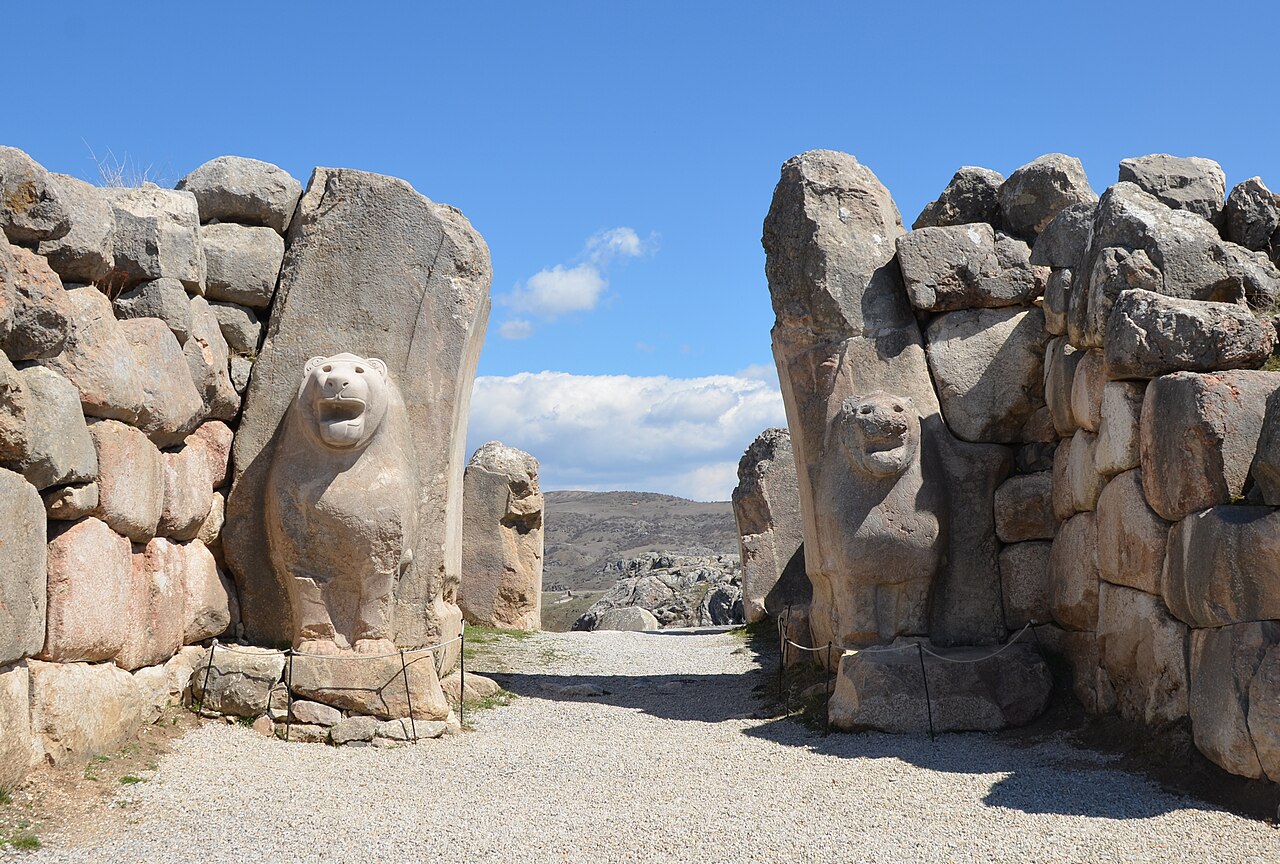
!Das Löwentor in Hattuscha, Hauptstadt des Hethiterreiches")
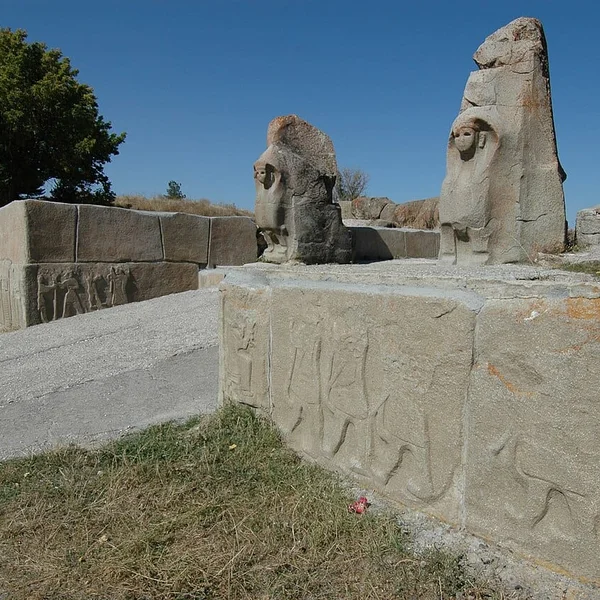
Die Stätte bei Boğazköy ist das antike Hattuscha, die Hauptstadt der Hethiter. Sie ist eine der stimmungsvollsten archäologischen Stätten der Welt – nicht weil sie im herkömmlichen Sinne gut erhalten ist, sondern wegen der Größenordnung dessen, was geblieben ist. Die Stadtmauern umschlossen einst mehr als 1.800 Hektar. Das Löwentor mit seinen massiven, in den Eingang gemeißelten Löwenprotomen steht noch immer. Das Sphinxtor bietet einen Blick über die Landschaft, der etwas von der ursprünglichen Monumentalität erahnen lässt.
Das Archiv, das Winckler fand, verrät uns enorm viel darüber, wie das hethitische Reich funktionierte. Es enthält Verwaltungsaufzeichnungen, Korrespondenz mit ausländischen Königen – darunter Briefe in akkadischer Sprache an den ägyptischen Pharao –, diplomatische Verträge und mythologische Texte, die zu den frühesten bekannten Erzählliteraturen in irgendeiner Sprache gehören.
Die Schlacht bei Kadesch und der älteste Vertrag der Welt
Im Jahr 1274 v. Chr. führte der hethitische König Muwatalli II. ein Heer in die Schlacht gegen Ramses II. von Ägypten bei Kadesch im heutigen Syrien. Die Schlacht endete unentschieden – jede Seite beanspruchte den Sieg für sich –, doch ihre Nachwirkungen brachten etwas Bemerkenswertes hervor: den ältesten erhaltenen Friedensvertrag der Welt.
Der Vertrag von Kadesch, unterzeichnet um 1259 v. Chr. zwischen Muwatallis Nachfolger Hattusili III. und Ramses, begründete einen Nichtangriffspakt, regelte die Auslieferung von Flüchtlingen und enthielt Klauseln über gegenseitigen Beistand im Falle eines Angriffs durch Dritte. Abschriften des Vertrags wurden sowohl in den hethitischen Archiven als auch in den ägyptischen Aufzeichnungen in Karnak gefunden. Eine Reproduktion hängt heute im Hauptquartier der Vereinten Nationen in New York – ausgewählt als Symbol früher internationaler Diplomatie.
Yazılıkaya: Die heilige Landschaft
!Felsreliefs in Kammer A von Yazılıkaya")
Wenige Kilometer von Hattuscha entfernt liegt Yazılıkaya – ein Felsheiligtum, in dem die Hethiter eines der bemerkenswertesten religiösen Bildprogramme der antiken Welt in Stein gehauen haben. Zwei natürliche Felskammern enthalten Prozessionen von Göttern im Relief: mehr als sechzig göttliche Figuren in der Hauptkammer, die auf die zentrale Begegnung des Wettergottes Teschub und der Sonnengöttin Arinna zuführen. In der kleineren Kammer zeigt ein Relief König Tudhalija IV., umarmt von seiner Schutzgottheit.
Wer zwischen den Reliefs umhergeht, bewegt sich durch eine hethitische Vorstellung der göttlichen Welt – ein Pantheon, das so groß ist, dass hethitische Texte es als „tausend Götter“ umfassend beschreiben. Diese kosmologische Vielfalt, geschöpft aus hurritischen, mesopotamischen und älteren anatolischen Traditionen, ist eines der markantesten Merkmale der Hethiter. Sie waren in ungewöhnlichem Maße religiöse Synthetiker.
Troja: Die westliche Grenze
!Befestigungsmauern von Troja (Hisarlık)")
Ob der Trojanische Krieg historisch war, wird seit der Antike debattiert. Klar ist, dass die Stätte von Hisarlik an der ägäischen Küste eine wohlhabende bronzezeitliche Stadt war – Troja VI und Troja VIIa, die Schichten, die am plausibelsten mit einem historischen Konflikt in Verbindung gebracht werden, datieren in den richtigen Zeitraum. Hethitische Aufzeichnungen erwähnen einen mächtigen westlichen Nachbarn namens Wilusa, den viele Gelehrte mit Ilios, dem griechischen Namen für Troja, identifizieren. Ein Brief eines hethitischen Königs an den König von Ahhiyawa, wahrscheinlich das mykenische Griechenland, erörtert politische Spannungen um Wilusa.
Die Hethiter befanden sich am Rand der ihnen bekannten Welt. Im Westen lag die griechische Welt. Im Osten Assyrien und Mesopotamien. Im Süden Ägypten. Das Reich verwaltete seine Grenzen drei Jahrhunderte lang durch Diplomatie, Heiratsbündnisse und gelegentliche Kriegsführung, bevor die Kaskade des Zusammenbruchs der Bronzezeit es hinwegfegte.
Nach dem Untergang
Das hethitische Reich verschwand nicht vollständig. In Südostanatolien und Nordsyrien entstand eine Gruppe von Königreichen, die hethitische künstlerische und kulturelle Traditionen noch mehrere Jahrhunderte lang bewahrten. Diese neo-hethitischen Staaten – Karkemisch, Malatya, Karatepe – hielten die luwische Hieroglyphenschrift am Leben und schufen einige der feinsten Reliefschnitzereien der Eisenzeit, bevor sie vom assyrischen Reich absorbiert wurden.
Die Hethiter erinnern uns daran, wie viel von der antiken Welt noch immer im Prozess der Wiederentdeckung begriffen ist. Ein bedeutendes Reich, zeitgleich mit der Blütezeit des mykenischen Griechenlands und des Neuen Reiches Ägypten, war schlichtweg drei Jahrtausende lang verloren. Was bleibt noch unter der Erde, wartend auf das Äquivalent eines weiteren Hugo Winckler?
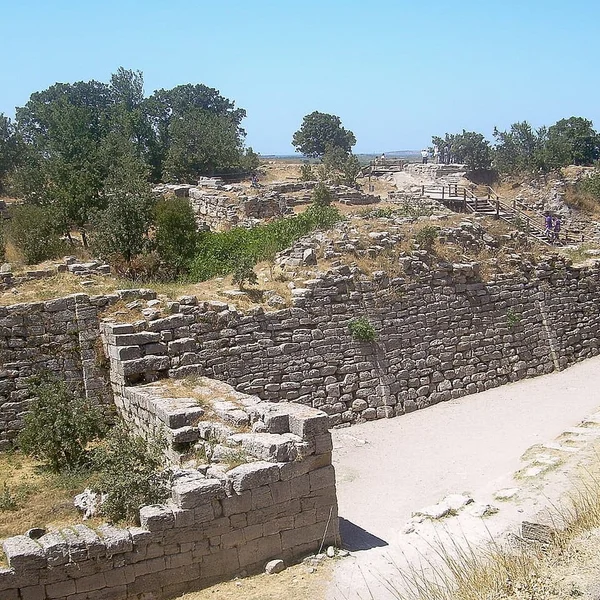
Türkiye
Troy
Neun Siedlungsschichten in Hisarlık im Nordwesten der Türkei, wo Heinrich Schliemann nach Homers Troja grub un
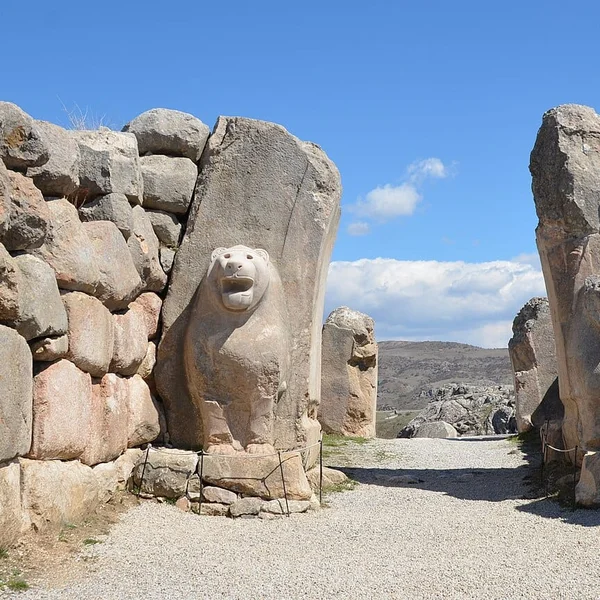
Türkiye
Hattusha
Hauptstadt des Hethitischen Reiches, einer der Großmächte der Spätbronzezeit. Charakteristisch sind massive Be
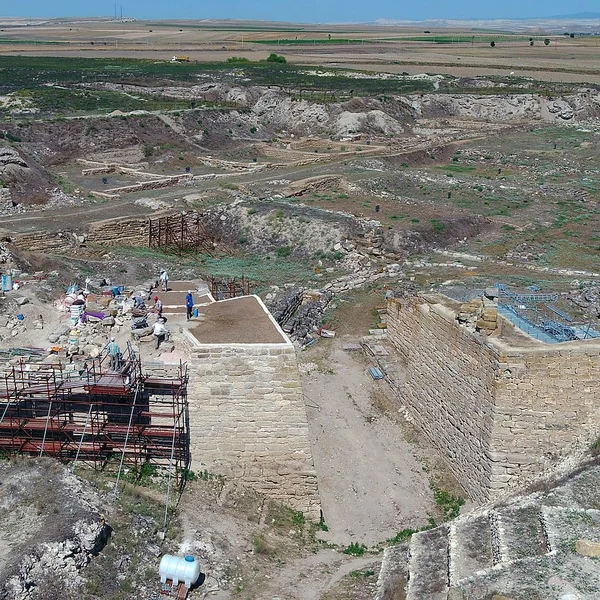
Türkiye
Gordion
Hauptstadt des antiken Phrygien, berühmt durch die Legende des Gordischen Knotens und den monumentalen Tumulus
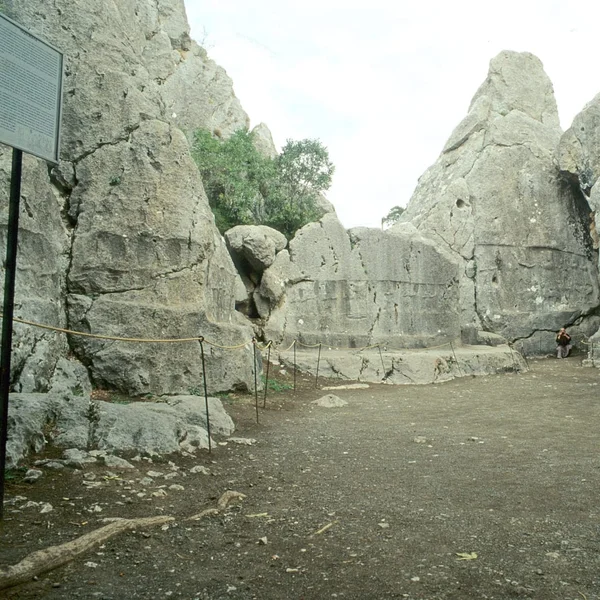
Türkiye
Yazilikaya
Das bedeutendste hethitische Freiluft-Felsheiligtum, mit aufwendigen Reliefschnitzereien des gesamten hethitis
Türkiye
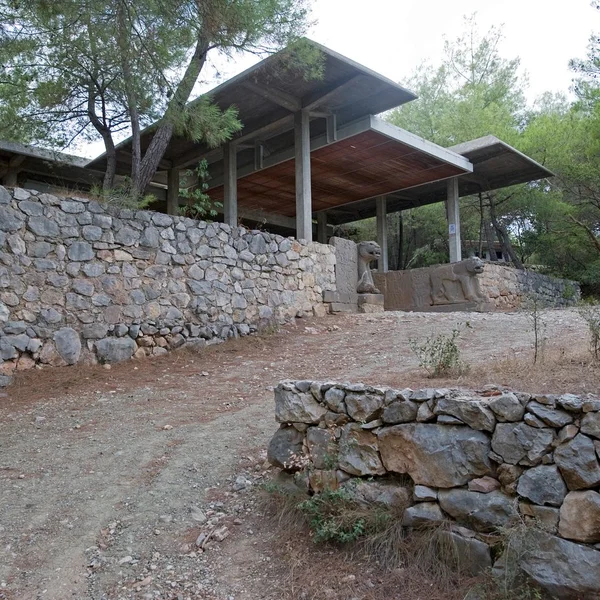
Karatepe-Aslantas
Eine neo-hethitische Festung, die die Kilikischen Pforten bewachte, deren zweisprachige Inschrift in Phönizisc