
تخط إلى المحتوى
Atlas Anatolia
أخبارأسنان من العصر الجليدي في سولاويزي تدفع استخدام التنبول إلى ما يصل إلى 25,000 عاماكتشاف فسيفساء رومانية ورأس إيروس في بازيليكا بومبيوبوليس، كاستامونو
Mud-brick ziggurat of Chogha Zanbil in Khuzestan

Wikimedia Commons (CC BY-SA 4.0)

Continent Record

Oldest Temple in Asia

معبداليونسكومميز

Chogha Zanbil

Seyfi Cem Baskin

چغازنبیل1250 ق.م – 640 ق.م

The best-preserved ziggurat of ancient Elam — a mud-brick mountain raised by Untash-Napirisha in the 13th century BCE near Susa — anchors the archaeology of southwestern Iran.

21
اهتمام 59

Founder

Untash-Napirisha, mid-13th c. BCE

Ancient name

Dur-Untash

Excavated

Ghirshman, 1951–1962

UNESCO

Inscribed 1979

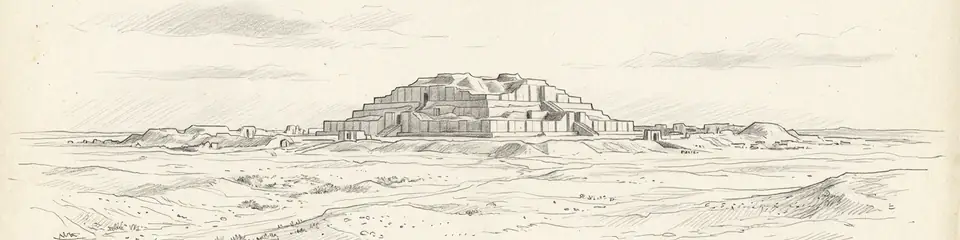
Graphite pencil sketch banner of Chogha Zanbil

“Chogha Zanbil is the most complete surviving ziggurat outside Mesopotamia’s alluvial heartland and the key monumental witness to Middle Elamite state religion.”

الموقع

نظرة عامة

Chogha Zanbil (Dur-Untash) stands in Khuzestan, Iran, about 40 km southeast of Susa. King Untash-Napirisha founded the sacred city in the mid-13th century BCE, dedicating its ziggurat to the gods Inshushinak and Napirisha. The stepped mud-brick tower originally rose in multiple terraces; baked-brick sheathing, glazed decoration, and surrounding temples, palaces, and a protective wall defined a major Elamite cult centre that was never finished to its full planned extent.

Assyrian campaigns under Ashurbanipal devastated Elam in the 7th century BCE; the site was thereafter largely abandoned and buried until Roman Ghirshman’s excavations (1951–1962) revealed the ziggurat’s plan. UNESCO inscribed Chogha Zanbil in 1979 as Iran’s first World Heritage property. Pair with Susa and Pasargadae for the Elamite-to-Achaemenid arc of southwestern Iranian capitals.

لماذا يهم

Chogha Zanbil is the most complete surviving ziggurat outside Mesopotamia’s alluvial heartland and the key monumental witness to Middle Elamite state religion. It shows how Elamite builders adapted Mesopotamian sacred architecture to local materials and politics.

الأدلة والتفسير

التمييز بين ما هو راسخ وما لا يزال موضع نقاش.

حقائق راسخة

2
  • Elamite brick inscriptions naming Untash-Napirisha and the gods Inshushinak and Napirisha secure the ziggurat’s royal dedication.
  • Ghirshman’s stratified clearance mapped terraces, temples, and the unfinished upper stages of the ziggurat.

استنتاجات علمية

1
  • Abandonment after Assyrian campaigns explains the exceptional survival of mud-brick mass under later desert cover.

صور المجتمع

شارك تجربتك

هل قمت بزيارة هذا الموقع؟ ارفع صورك لمساعدة الآخرين في اكتشافه.

كيفية الاستشهاد بهذه الصفحة

Atlas Anatolia. (1250). Chogha Zanbil. Atlas Anatolia. https://atlasanatolia.com/ar/site/chogha-zanbil

المحتوى مرخّص بموجب CC BY-SA 4.0 — يجب ذكر المصدر عند إعادة الاستخدام.

المصادر

  • Tchoga Zanbil (Dur-Untash) — Ghirshman, Roman (1966)
  • UNESCO — Tchogha Zanbilرابط

الأسئلة الشائعة

أين يقع Chogha Zanbil؟

يقع Chogha Zanbil في Iran.

كم يبلغ عمر Chogha Zanbil؟

يعود تاريخ Chogha Zanbil إلى حوالي 1250 ق.م – 640 ق.م.

ما هي الحضارات المرتبطة بـ Chogha Zanbil؟

يرتبط Chogha Zanbil بحضارة Elamite.

لماذا يعتبر Chogha Zanbil مهماً؟

Chogha Zanbil is the most complete surviving ziggurat outside Mesopotamia’s alluvial heartland and the key monumental witness to Middle Elamite state religion.

هل Chogha Zanbil موقع تراث عالمي لليونسكو؟

نعم — Chogha Zanbil مدرج في قائمة التراث العالمي لليونسكو.