Skip to content
Atlas AnatoliaAtlas Anatolia
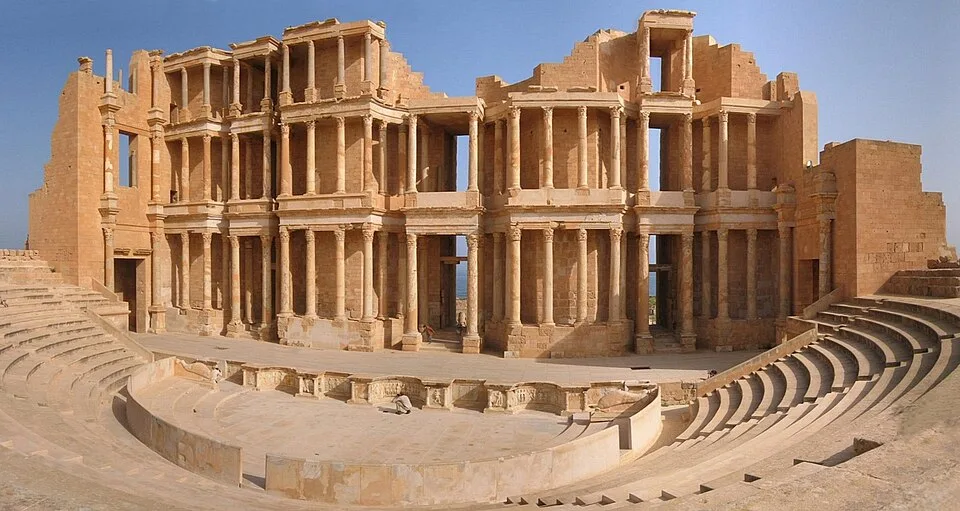
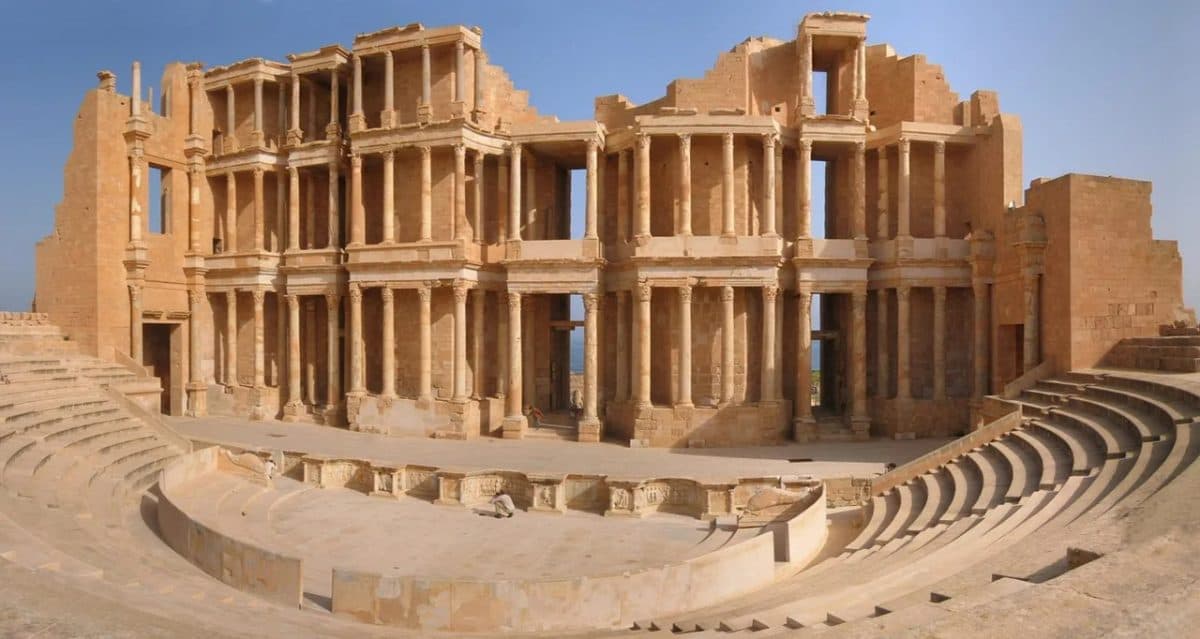
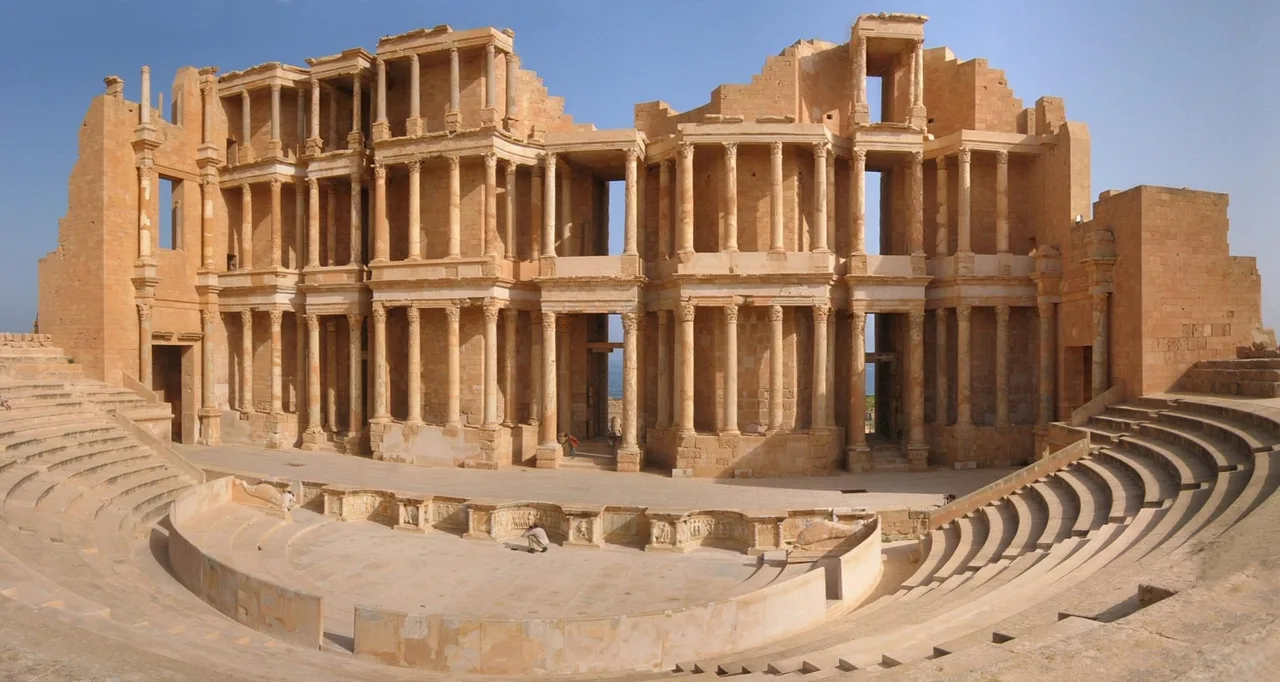
The Roman theatre at Sabratha facing the Mediterranean Sea

国家纪录

已知最早遗址:利比亚

Sabratha

صبرata500 公元前 – 647 公元

Origin

Phoenician trading post, c. 6th–5th century BCE

Peak

2nd–3rd century CE under Roman emperors

Highlight

Theatre with three-storey stage building facing the sea

UNESCO

World Heritage Site 1982

Sabratha illustrates the full arc of North African urbanism from Punic commercial settlement through Roman imperial prosperity — essential for understanding Rome's African provinces beyond Carthage.”

概述

Sabratha lies on a promontory on the Mediterranean coast of northwestern Libya, roughly 70 kilometres west of Tripoli. The site was originally a Phoenician trading settlement, probably established in the 6th–5th century BCE, before developing into a major Roman city under the empire.

Under Roman rule Sabratha became an important port in the province of Africa Proconsularis (later Tripolitania), exporting olive oil, garum (fish sauce), and agricultural products. The city reached its architectural peak in the 2nd and 3rd centuries CE, when emperors including Antoninus Pius and Septimius Severus (himself born in nearby Leptis Magna) patronised major building projects.

Theatre of Sabratha, Libya

Theatre of Sabratha, Libya | Wikimedia Commons (CC BY-SA 2.0)

"The theatre at Sabratha, with its stage building facing the sea, is among the most beautiful monuments of Roman Africa."
— Archaeological summary, UNESCO World Heritage inscription, 1982

The theatre, rebuilt in the 2nd century CE with a three-storey scaenae frons (stage building) facing directly toward the sea, is among the most spectacular Roman theatres in Africa. Nearby stand the Forum Temple (Temple of Liber Pater), basilicas, baths decorated with mosaics, and residential quarters. Sabratha was damaged in earthquakes in the 4th century and declined after the Vandal and Byzantine periods.

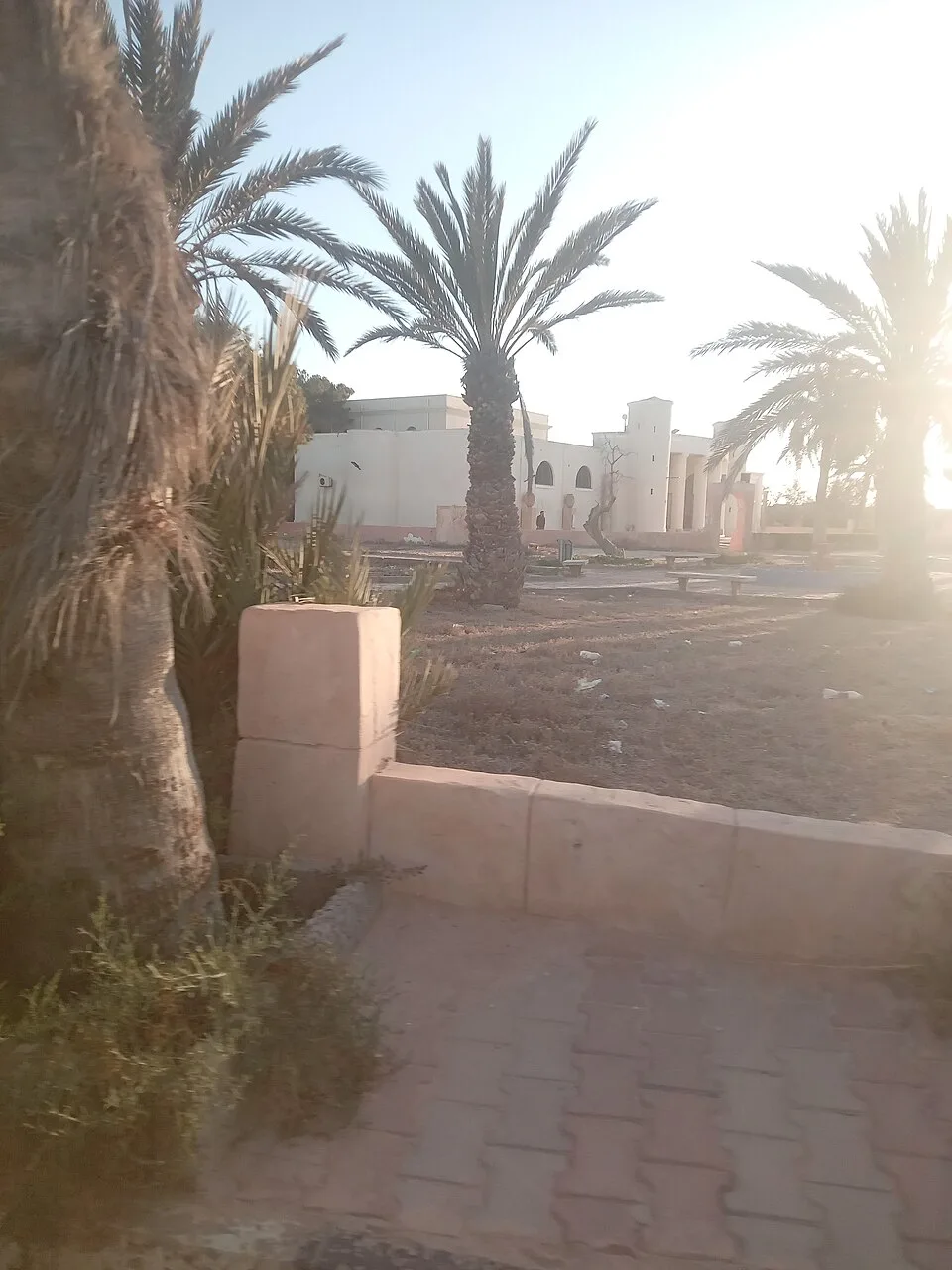
Roman Museum, Sabratha (68372)

Roman Museum, Sabratha (68372) | رامز ليفل الوحش (CC BY 4.0)

Italian archaeologists excavated extensively from the 1920s onward; the site is part of the UNESCO World Heritage listing "Archaeological Site of Sabratha" (1982).

为何重要

Sabratha illustrates the full arc of North African urbanism from Punic commercial settlement through Roman imperial prosperity — essential for understanding Rome's African provinces beyond Carthage. Its theatre and temple complex rank among the finest Roman monuments on the Mediterranean's southern rim, preserving architectural detail that many better-known sites have lost. As part of Tripolitania's UNESCO group alongside Leptis Magna and Oea (Tripoli), Sabratha completes the picture of Roman Libya's coastal urban network.

保持好奇心

每月一次新故事与新遗址。无垃圾邮件。

证据与解读

区分已确立的事实与仍存争议的内容。

确凿事实

2
  • The 2nd-century CE theatre with its scaenae frons is among the best-preserved Roman theatres in North Africa.
  • Mosaic floors and insulae document wealthy Roman residential life at the site.

学术推断

1
  • Punic-phase occupation predates visible Roman monumental architecture but is less extensively excavated.

更多图片

博物馆文物

Community Photos

Share your experience

Have you visited this site? Upload your photos to help others discover it.

位置

如何引用本页

Atlas Anatolia. (500). Sabratha. Atlas Anatolia. https://atlasanatolia.com/zh/site/sabratha

内容采用 CC BY-SA 4.0 许可——转载时需注明出处。

知识图谱

与相关遗址和故事的连接。

资料来源

  • TripolitaniaMattingly, D. J. (1995)
  • UNESCO — Archaeological Site of Sabratha链接

研究论文

常见问题

Where is Sabratha located?

Sabratha is located in Zawiya District, Tripolitania, Libya.

How old is Sabratha?

Sabratha dates to approximately 500 公元前 – 647 公元.

Which civilizations are associated with Sabratha?

Sabratha is associated with the 迦太基/腓尼基, 罗马.

Why is Sabratha important?

Sabratha illustrates the full arc of North African urbanism from Punic commercial settlement through Roman imperial prosperity — essential for understanding Rome's African provinces beyond Carthage.

Is Sabratha a UNESCO World Heritage Site?

Yes — Sabratha is inscribed as a UNESCO World Heritage Site.