
Vai al contenuto
Atlas Anatolia
NotizieIce Age teeth in Sulawesi push betel-nut use back as far as 25,000 yearsRoman mosaic and Eros head uncovered in the basilica at Pompeiopolis, Kastamonu
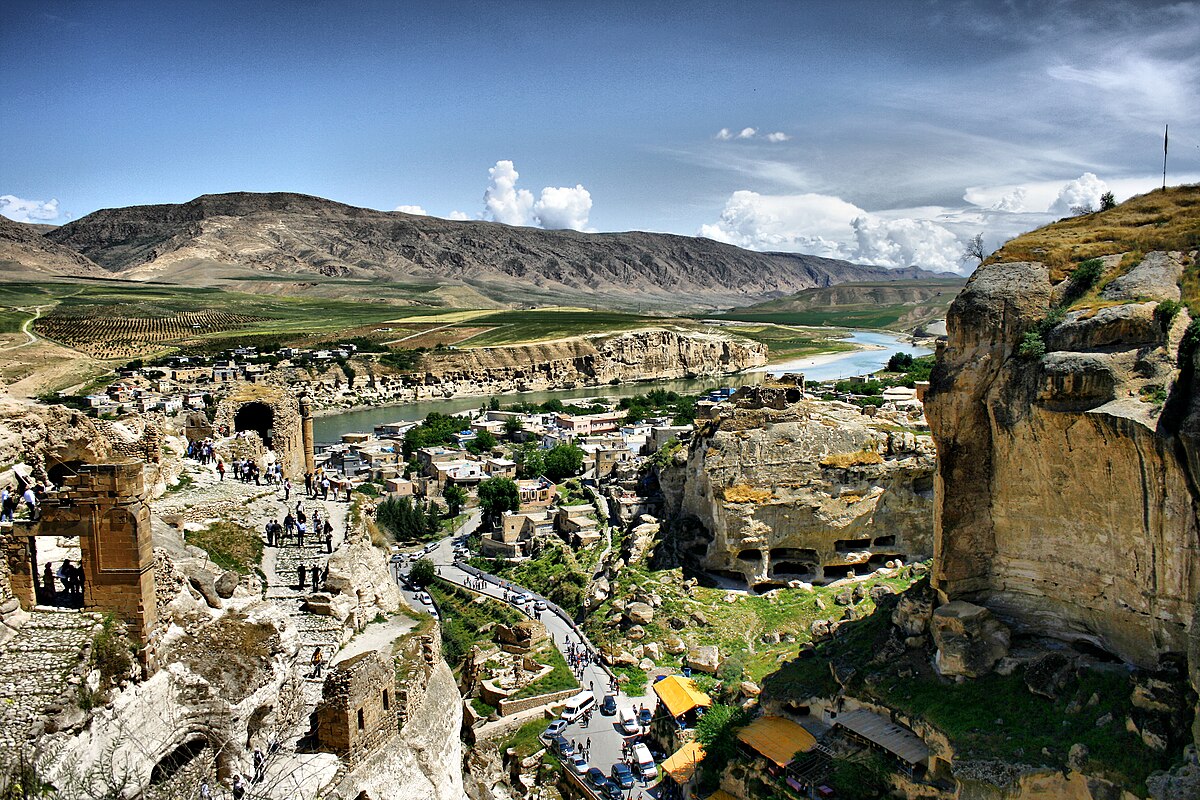
Hasankeyf on the Tigris River

Wikimedia Commons (CC BY-SA)

Record mondiale

Oldest City in the World

CittàIn evidenza

Hasankeyf

Seyfi Cem Baskin

10000 a.C. – 1500 d.C.

A 12,000-year-old cliff city on the Tigris River with cave dwellings, medieval bridges, and Artukid monuments — one of the oldest continuously inhabited settlements in the world, now partially submerged by the Ilısu Dam in one of the most controversial heritage losses of the 21st century.

411
Interesse 56

Posizione

Batman · Southeastern Anatolia · Turchia

37.71°N · 41.41°E · Asia

Age

12,000+ years of continuous human habitation

Caves

Thousands of cave dwellings carved into limestone cliffs

Bridge

Medieval bridge piers among the largest in the world

Relocated

Tomb of Zeynel Bey and El Rızk Mosque moved to higher ground

Dam

Lower city submerged by Ilısu Dam reservoir in 2020

Heritage

One of the most significant heritage losses of the 21st century

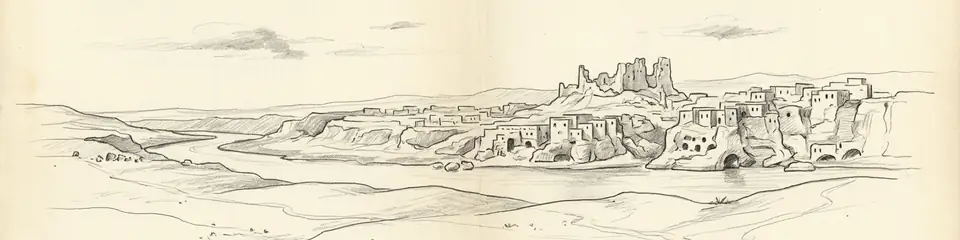
Graphite pencil sketch banner of Hasankeyf

Hasankeyf was among the most archaeologically significant sites in the world — 12,000 years of continuous occupation from the Mesolithic to the present, visible in cliff-face caves, medieval architecture, and living cultural traditions.”

Da Wikipedia

Hasankeyf was a 12,000-year-old cliff city on the Tigris with caves, medieval monuments, and one of the world's oldest bridge piers, now partially submerged by the Ilısu Dam.

Leggi l'articolo completo su Wikipedia

Posizione

Panoramica

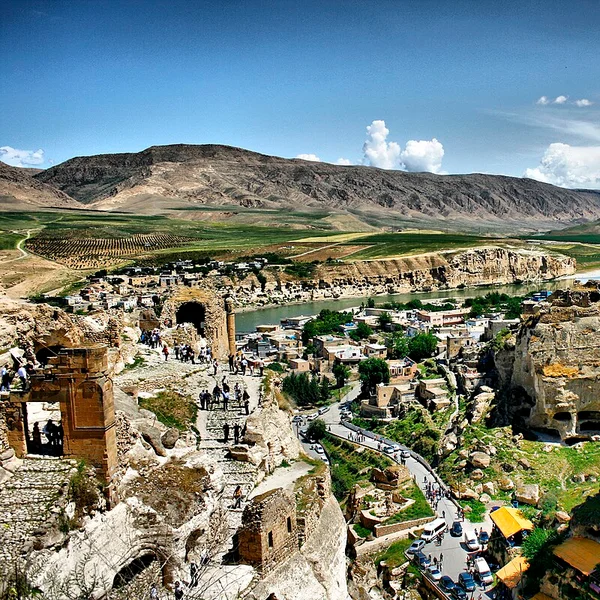
Hasankeyf stands — and now partially stands beneath water — where sheer limestone cliffs rise above the Tigris River in Batman province. For at least 12,000 years, humans found shelter in the natural caves that honeycomb these cliffs, making Hasankeyf one of the oldest continuously inhabited settlements anywhere on Earth. From Neolithic cave dwellers to Roman garrisons, from Artukid princes to Ottoman subjects, the city accumulated layers of human presence as rich as the geological strata of the cliffs themselves.

The cave dwellings range from simple sheltered overhangs used since the Mesolithic period to elaborate multi-room complexes carved deep into the rock, some retaining traces of plaster, paint, and built-in furnishings. Above the caves, medieval builders constructed palaces, mosques, tombs, and a caravanserai directly atop the cliff face, creating a vertical cityscape that merged natural geology with human architecture in a way found almost nowhere else.

"The city of Hisn Kayfa is a strong fortress on the Tigris, with a great bridge of many arches."
— Ibn Battuta, 14th century

The most celebrated monument was the Bridge of Hasankeyf, whose massive piers spanning the Tigris were among the largest medieval bridge structures in the world. Though only two piers survived to the modern era, their scale testified to the engineering ambition of the Artukid builders. The Tomb of Zeynel Bey, a cylindrical mausoleum decorated with blue tiles, and the remains of the Great Palace on the cliff summit represented the finest surviving examples of Artukid secular and funerary architecture.

In 2020, the rising waters of the Ilısu Dam reservoir began submerging Hasankeyf's lower city, including the bridge piers, cave complexes, and significant portions of the medieval settlement. Despite an international campaign to save the site, and the physical relocation of a few monuments including the Tomb of Zeynel Bey and the El Rızk Mosque to higher ground in a new archaeological park, the vast majority of the site was lost beneath the reservoir.
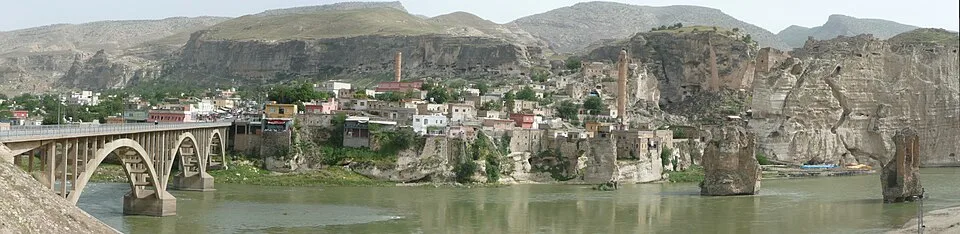
Hasankeyf P1040876 20080425150701 pano cr
Hasankeyf P1040876 20080425150701 pano cr | Nevit Dilmen (CC BY-SA 3.0)

The flooding of Hasankeyf represents one of the most significant heritage losses of the 21st century. The drowned cave complexes contained unexcavated archaeological deposits spanning twelve millennia, and the submerged medieval city fabric was irreplaceable. What survives — relocated monuments, the upper cliff areas, and the records from rescue excavations — preserves only a fraction of what existed.

Perché è importante

Hasankeyf was among the most archaeologically significant sites in the world — 12,000 years of continuous occupation from the Mesolithic to the present, visible in cliff-face caves, medieval architecture, and living cultural traditions. Its partial submersion by the Ilısu Dam is an irreversible loss to global heritage. The site embodied the deep continuity of human habitation in the Tigris valley, connecting prehistoric cave dwellers to medieval builders to modern communities in an unbroken chain. The controversial decision to flood the site crystallizes the tension between development and heritage preservation, making Hasankeyf a defining case study for cultural heritage protection in the 21st century.

Evidenze e interpretazione

Distinguere ciò che è ben consolidato da ciò che rimane dibattuto.

Fatti ben consolidati

4
  • Radiocarbon dates from cave deposits confirm human occupation at Hasankeyf beginning in the Mesolithic period, approximately 12,000 years ago, making it one of the oldest continuously inhabited sites in the world.
  • The Artukid bridge piers, documented before submersion, represented some of the largest medieval bridge structures known, spanning the full width of the Tigris River.
  • The Tomb of Zeynel Bey (1473) was successfully relocated to higher ground in 2017, preserving its cylindrical form and blue tile decoration, though removed from its original context.
  • The lower city including the medieval commercial quarter, bath complexes, and numerous caves was submerged by the Ilısu Dam reservoir beginning in 2020, confirmed by satellite imagery and on-ground documentation.

Deduzioni accademiche

1
  • The density of cave dwellings across the cliff face suggests a substantial permanent population exploiting the natural shelter, water access, and defensive advantages of the site throughout prehistory.

Interpretazioni dibattute

1
  • The full archaeological potential of the submerged caves remains unknown, as rescue excavations could only sample a fraction of the deposits before flooding, leaving debate about what evidence was lost.

Scoperta e scavo

1985–1990

Initial archaeological surveys

First systematic documentation of the cave complexes, medieval monuments, and bridge piers established the site's extraordinary multi-period significance.

2000–2019

Ilısu Dam rescue excavations

Extensive salvage archaeology in advance of dam flooding documented cave occupation from the Mesolithic onward, medieval architectural remains, and thousands of artifacts.

2010

Bridge pier documentation

Detailed recording of the surviving Artukid bridge piers using photogrammetry and 3D scanning before their eventual submersion.

2017–2020

Monument relocation

The Tomb of Zeynel Bey and the El Rızk Mosque were physically cut from their foundations and transported to a new archaeological park above the reservoir flood line.

2020

Final documentation

Last archaeological recording before reservoir waters reached the lower city, capturing the final state of caves, architectural remains, and cultural layers about to be submerged.

Foto della comunità

Condividi la tua esperienza

Hai visitato questo sito? Carica le tue foto per aiutare gli altri a scoprirlo.

Come citare questa pagina

Atlas Anatolia. (10000). Hasankeyf. Atlas Anatolia. https://atlasanatolia.com/it/site/hasankeyf

Contenuto con licenza CC BY-SA 4.0 — è richiesta l'attribuzione in caso di riutilizzo.

Leggi l'articolo completo su World History Encyclopedia
World History Encyclopedia · CC BY-NC-SA

Fonti

  • Hasankeyf: A Heritage LostZeynep Ahunbay (2020)
  • Rescue Excavations at Hasankeyf HöyükT. Miyake et al. (2012)
  • Wikipedia — HasankeyfCollegamento

Domande frequenti

Dove si trova Hasankeyf?

Hasankeyf si trova in Batman, Southeastern Anatolia, Türkiye.

A quando risale Hasankeyf?

Hasankeyf risale all'incirca al 10000 a.C. – 1500 d.C..

Quali civiltà sono associate a Hasankeyf?

Hasankeyf è associato alla civiltà Pre-Pottery Neolithic, Roman, Seljuk, Ottoman.

Perché Hasankeyf è importante?

Hasankeyf was among the most archaeologically significant sites in the world — 12,000 years of continuous occupation from the Mesolithic to the present, visible in cliff-face caves, medieval architecture, and living cultural traditions.

Hasankeyf è un sito Patrimonio Mondiale dell'UNESCO?

Hasankeyf non è attualmente iscritto nella lista del Patrimonio Mondiale dell'UNESCO.