3000 ई.पू. – 1923 ईस्वी · 5 स्थल
800 ई.पू. – 1923 ईस्वी
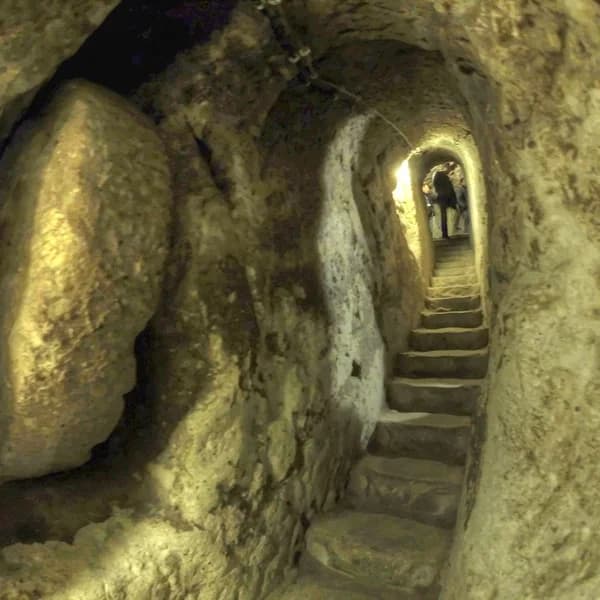
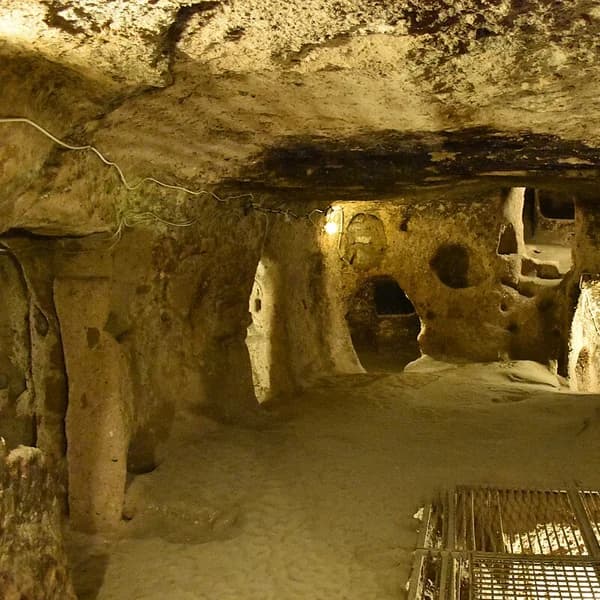
The deepest known underground city in the world, extending 85 meters below the surface with 18 levels. It could shelter approximately 20,000 people along with livestock and food stores.
800 ई.पू. – 1200 ईस्वी
The second-largest underground city in Cappadocia, with eight levels carved deep into volcanic tuff, where early Christians and local populations sheltered from invaders in a labyrinth of tunnels, churches, storerooms, and ventilation shafts.
950 ई.पू. – 200 ई.पू.
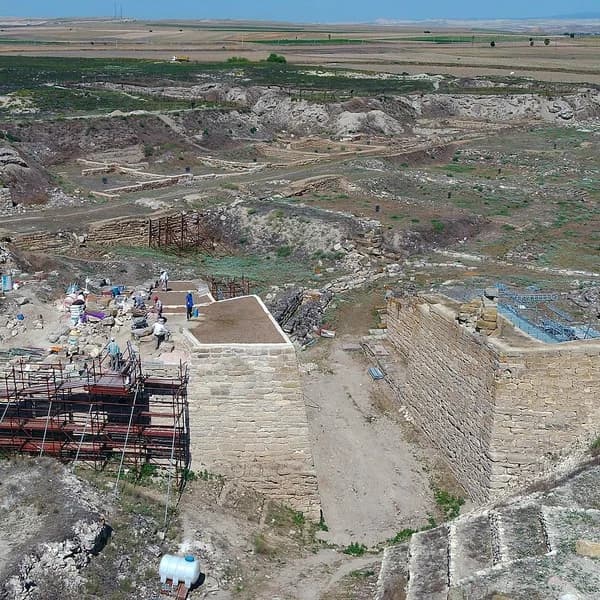
Capital of ancient Phrygia, famous for the legend of the Gordian Knot and the monumental tumulus believed to be the tomb of King Midas. One of the most important Iron Age sites in Anatolia.
3000 ई.पू. – 1400 ईस्वी
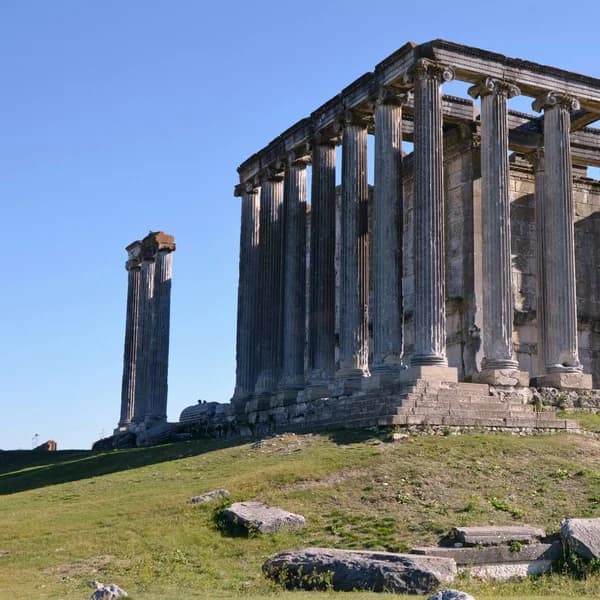
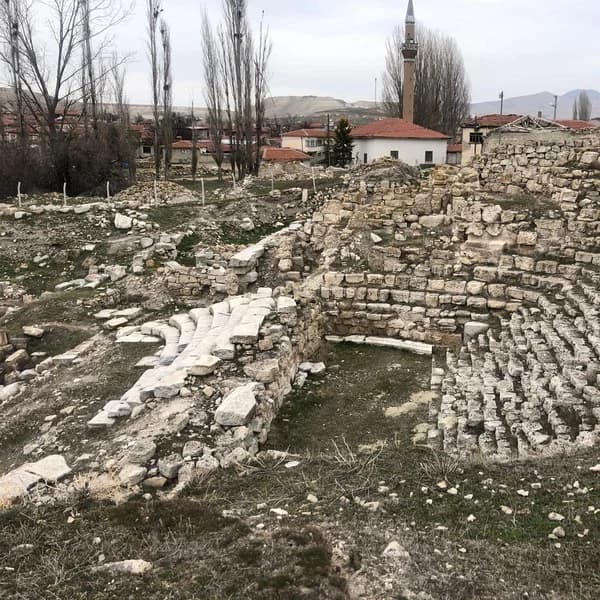
Home to the best-preserved Temple of Zeus in all of Anatolia and the world's first known stock exchange inscription, this remote Phrygian city also boasts a unique combined Roman stadium-theatre — the only one of its kind.
800 ई.पू. – 400 ईस्वी
The sacred city of Cybele, the Great Mother goddess, from whose temple the Romans carried a sacred black stone to Rome in 204 BCE — an event that changed the religious landscape of the Roman world.