
Saltar al contenido
Atlas Anatolia
NoticiasIce Age teeth in Sulawesi push betel-nut use back as far as 25,000 yearsRoman mosaic and Eros head uncovered in the basilica at Pompeiopolis, Kastamonu
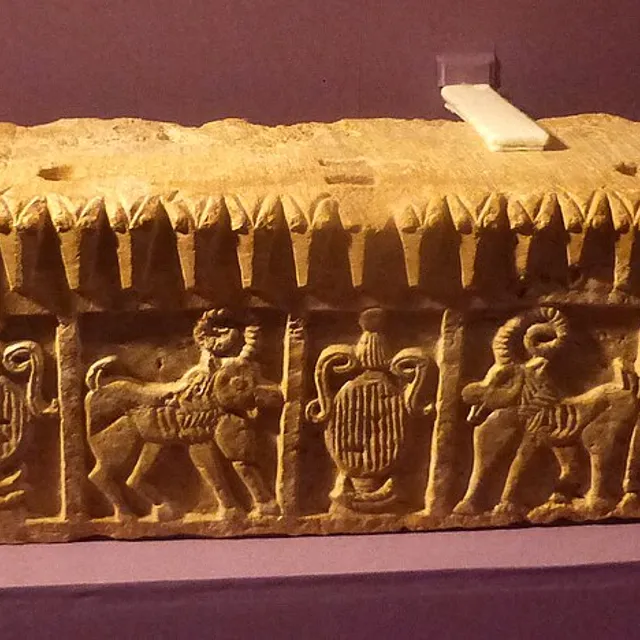
Decorated limestone lintel from Qaryat al-Faw, 3rd century BCE

Wikimedia Commons

Récord nacional

Longest Continuously Occupied Site in Saudi Arabia

Ciudad

Qaryat al-Faw

Seyfi Cem Baskin

قرية الفاو300 a. C. – 400 d. C.

A major caravan city and capital of the Kingdom of Kinda on the edge of Arabia’s Empty Quarter — excavated houses, temples, tombs, and murals reveal a cosmopolitan desert entrepôt linking South Arabian incense routes to the Gulf and Levant.

21
Interés 47

Ubicación

Arabia Saudita

19.76°N · 45.16°E · Asia

Role

Capital of Kinda; major caravan market on the Empty Quarter edge

Patron deity

Kahl — city called Qaryat Dhāt Kāhil

Finds

Frescoes, temples, tombs, Roman imports, South Arabian inscriptions

Excavation

King Saud University / Saudi teams from 1970s

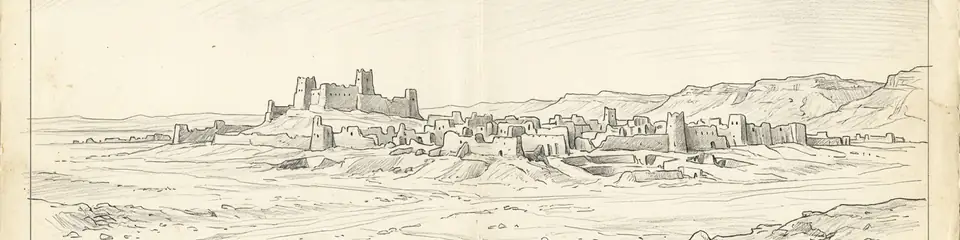
Graphite pencil sketch banner of Qaryat al-Faw

Qaryat al-Faw is the best-excavated pre-Islamic Arabian caravan city of the Interior — essential for understanding how desert kingdoms organised long-distance trade without relying solely on coastal ports.”

Ubicación

Resumen

Qaryat al-Faw sits on the northwestern fringe of the Rubʿ al-Khali (Empty Quarter) in Najran Province, Saudi Arabia, beside the Wadi al-Dawasir corridor that carried caravans between Yemen and the Gulf–Levantine networks. From roughly the third century BCE through the fourth century CE it flourished as the capital of Kinda and as a market where South Arabian, Nabataean, Greco-Roman, and local Arabian material cultures mixed.

Saudi excavations (notably University of Riyadh / King Saud University campaigns from the 1970s onward under Abdulrahman al-Ansary and successors) uncovered a planned urban fabric: residential quarters with painted walls and frescoes, temple architecture dedicated to the deity Kahl (the city was known as Qaryat Dhāt Kāhil), extensive cemetery areas, inscribed stelae, and imported goods including Roman glass and pottery.
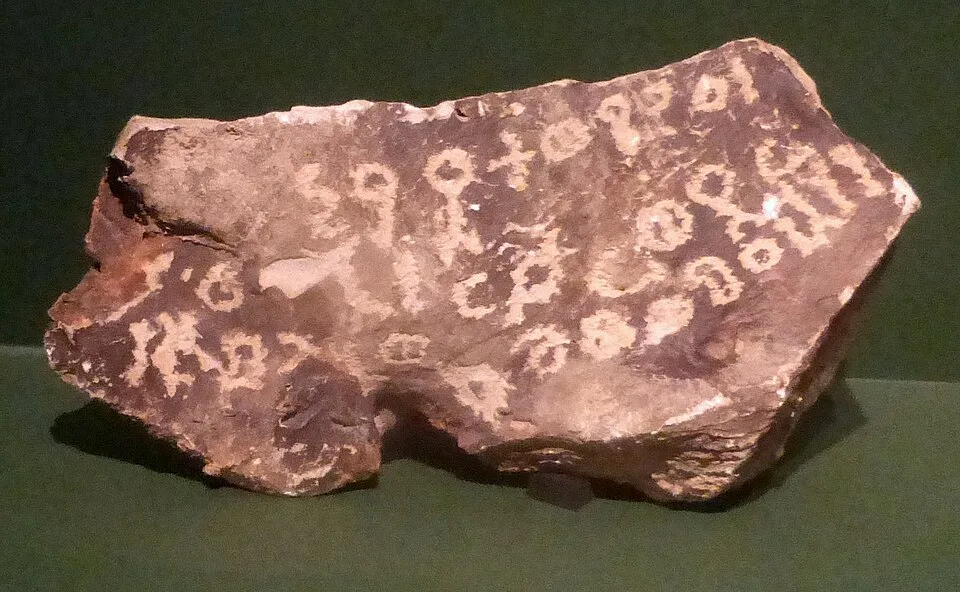
Thamudic - Qaryat al-Faw - on fragment - 20180430
Thamudic - Qaryat al-Faw - on fragment - 20180430 | Nesnad (CC BY 4.0)
"This is Qaryat of Kahl — a house of merchants and kings where the desert routes of Arabia met the incense of the south."
— Paraphrase of Kindah-era dedicatory language associating the city with the deity Kahl

The site’s art — including famous painted panels and sculptural finds now in Saudi museums — shows a visual culture conscious of Hellenising styles yet rooted in Arabian cult and commerce. Qaryat al-Faw thus documents how the incense and spice economy generated not only coastal Yemeni capitals but inland desert cities capable of sustaining elite architecture for centuries.
Por qué es importante

Qaryat al-Faw is the best-excavated pre-Islamic Arabian caravan city of the Interior — essential for understanding how desert kingdoms organised long-distance trade without relying solely on coastal ports. Its frescoes and inscriptions challenge any stereotype of pre-Islamic Arabia as material-culture-poor, documenting a literate, cosmopolitan elite at the crossroads of India–Arabia–Mediterranean routes.

Evidencia e interpretación

Distinguir lo bien establecido de lo que sigue en debate.

Hechos bien establecidos

2
  • Excavated urban plan, temples, houses, and cemeteries establish a long-lived inland caravan city.
  • Imported Mediterranean goods and South Arabian epigraphy demonstrate participation in long-distance incense and luxury trade.

Inferencias académicas

1
  • Kinda’s political power at Qaryat al-Faw rested on controlling desert corridors rather than coastal harbours alone.

Fotos de la comunidad

Comparte tu experiencia

¿Has visitado este sitio? Sube tus fotos para ayudar a otros a descubrirlo.

Historias relacionadas

Cómo citar esta página

Atlas Anatolia. (300). Qaryat al-Faw. Atlas Anatolia. https://atlasanatolia.com/es/site/qaryat-al-faw

Contenido bajo licencia CC BY-SA 4.0 — se requiere atribución al reutilizar.

Gráfico

Conexiones con sitios e historias relacionados.

Fuentes

  • Qaryat al-Fau: A Portrait of Pre-Islamic Civilisation in Saudi Arabiaal-Ansary, Abdulrahman (1982)
  • Kingdom of Kinda and Qaryat al-FawRobin, Christian Julien (2015)

Preguntas frecuentes

¿Dónde se encuentra Qaryat al-Faw?

Qaryat al-Faw se encuentra en Saudi Arabia.

¿Qué antigüedad tiene Qaryat al-Faw?

Qaryat al-Faw se fecha aproximadamente en 300 a. C. – 400 d. C..

¿Qué civilizaciones se relacionan con Qaryat al-Faw?

Qaryat al-Faw se relaciona con Nabataean, Kindah.

¿Por qué es importante Qaryat al-Faw?

Qaryat al-Faw is the best-excavated pre-Islamic Arabian caravan city of the Interior — essential for understanding how desert kingdoms organised long-distance trade without relying solely on coastal ports.

¿Qaryat al-Faw es Patrimonio Mundial de la UNESCO?

Qaryat al-Faw no está inscrito actualmente en la Lista del Patrimonio Mundial de la UNESCO.