
Saltar al contenido
Atlas Anatolia
NoticiasIce Age teeth in Sulawesi push betel-nut use back as far as 25,000 yearsRoman mosaic and Eros head uncovered in the basilica at Pompeiopolis, Kastamonu
The wooden Kiyomizu Stage of Kiyomizu-dera temple above Kyoto

Wikimedia Commons (CC BY-SA 3.0)

PatrimonioTemploUNESCODestacado

Kiyomizu-dera

Seyfi Cem Baskin

清水寺778 d. C. – 2024 d. C.

The hillside wooden temple in eastern Kyoto — famous for its 13-metre Kiyomizu Stage jutting over the valley and Otowa waterfall — ranks fifth among missing sites in our EN/DE/TR/ZH pageview audit and is a core monument of UNESCO's Historic Monuments of Ancient Kyoto.

21
Interés 76

Ubicación

Japan

34.99°N · 135.78°E · Asia

Founded

778 CE beside Otowa waterfall

Kiyomizu Stage

~13 m high wooden platform — nail-free keying

Renovation

Major stage rebuild completed 2020

UNESCO

Historic Monuments of Ancient Kyoto (1994)

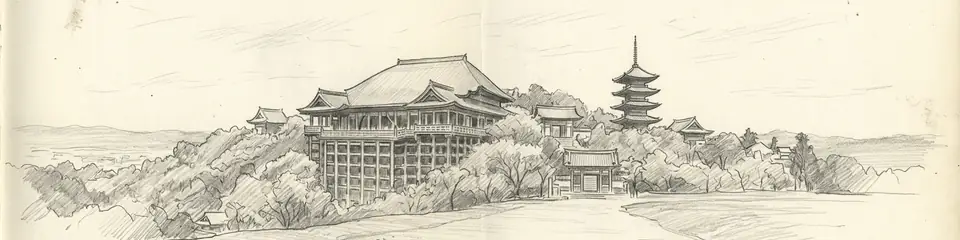
Graphite pencil sketch banner of Kiyomizu-dera

Kiyomizu-dera's cantilevered stage is a textbook of Japanese timber engineering — keyed columns, massive overhang, and ritual landscape fused on a steep site.”

Ubicación

Resumen

Kiyomizu-dera stands on the slopes of Mount Otowa in eastern Kyoto, Japan. The temple was founded in 778 CE beside the Otowa waterfall; the present layout reflects Tokugawa-era patronage and periodic rebuilds following fire. The Kiyomizu Stage (butai) — a vast wooden platform supported on tall pillars without nails in the traditional keying system — projects over the hillside and offers views across Kyoto to the west.

The main hall enshrines Kannon (Avalokiteshvara); the Jishu Shrine within the precinct is popular for love divination. Pilgrims drink from three streams of the Otowa waterfall for health, longevity, or academic success (tradition advises choosing only one). The temple name means "pure water temple." Night illuminations during cherry and maple seasons draw enormous crowds.

UNESCO inscribed Kiyomizu-dera among the Historic Monuments of Ancient Kyoto in 1994. The 2017–2020 renovation replaced stage and roof timbers while preserving medieval proportions. Together with Fushimi Inari-taisha and Tōdai-ji, it represents the pilgrimage architecture that defines Japan's search interest in sacred sites.

Por qué es importante

Kiyomizu-dera's cantilevered stage is a textbook of Japanese timber engineering — keyed columns, massive overhang, and ritual landscape fused on a steep site. Its UNESCO Kyoto cluster status and seasonal illumination make it the Buddhist counterpart to Fushimi Inari's Shinto torii in global travel search.

Evidencia e interpretación

Distinguir lo bien establecido de lo que sigue en debate.

Hechos bien establecidos

2
  • Temple chronicles and dendrochronology date major rebuilds and the 2020 stage timber replacement.
  • Medieval pilgrimage routes and Edo-period guidebooks describe the stage and Otowa rites.

Inferencias académicas

1
  • Tokugawa patronage stabilised the hillside complex after repeated fires in the 16th–17th centuries.

Fotos de la comunidad

Comparte tu experiencia

¿Has visitado este sitio? Sube tus fotos para ayudar a otros a descubrirlo.

Cómo citar esta página

Atlas Anatolia. (778). Kiyomizu-dera. Atlas Anatolia. https://atlasanatolia.com/es/site/kiyomizu-dera

Contenido bajo licencia CC BY-SA 4.0 — se requiere atribución al reutilizar.

Fuentes

  • History of Japanese ArtMason, Penelope (2004)
  • UNESCO — Historic Monuments of Ancient KyotoEnlace

Preguntas frecuentes

¿Dónde se encuentra Kiyomizu-dera?

Kiyomizu-dera se encuentra en Japan.

¿Qué antigüedad tiene Kiyomizu-dera?

Kiyomizu-dera se fecha aproximadamente en 778 d. C. – 2024 d. C..

¿Qué civilizaciones se relacionan con Kiyomizu-dera?

Kiyomizu-dera se relaciona con Yamato Japan, Tokugawa.

¿Por qué es importante Kiyomizu-dera?

Kiyomizu-dera's cantilevered stage is a textbook of Japanese timber engineering — keyed columns, massive overhang, and ritual landscape fused on a steep site.

¿Kiyomizu-dera es Patrimonio Mundial de la UNESCO?

Sí. Kiyomizu-dera está inscrito en la Lista del Patrimonio Mundial de la UNESCO.