
Saltar al contenido
Atlas Anatolia
NoticiasIce Age teeth in Sulawesi push betel-nut use back as far as 25,000 yearsRoman mosaic and Eros head uncovered in the basilica at Pompeiopolis, Kastamonu
Mud-brick ziggurat of Chogha Zanbil in Khuzestan

Wikimedia Commons (CC BY-SA 4.0)

Récord continental

Oldest Temple in Asia

TemploUNESCODestacado

Chogha Zanbil

Seyfi Cem Baskin

چغازنبیل1250 a. C. – 640 a. C.

The best-preserved ziggurat of ancient Elam — a mud-brick mountain raised by Untash-Napirisha in the 13th century BCE near Susa — anchors the archaeology of southwestern Iran.

21
Interés 59

Ubicación

Irán

32.01°N · 48.52°E · Asia

Founder

Untash-Napirisha, mid-13th c. BCE

Ancient name

Dur-Untash

Excavated

Ghirshman, 1951–1962

UNESCO

Inscribed 1979

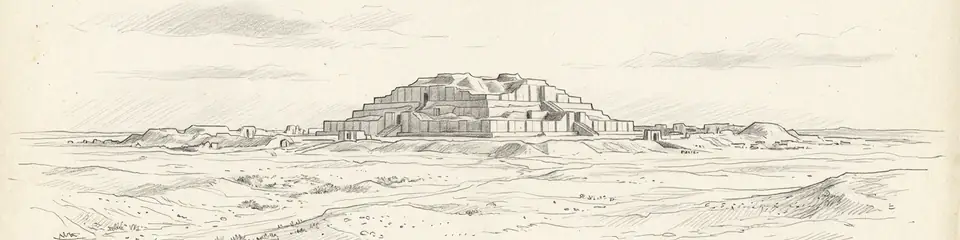
Graphite pencil sketch banner of Chogha Zanbil

Chogha Zanbil is the most complete surviving ziggurat outside Mesopotamia’s alluvial heartland and the key monumental witness to Middle Elamite state religion.”

Ubicación

Resumen

Chogha Zanbil (Dur-Untash) stands in Khuzestan, Iran, about 40 km southeast of Susa. King Untash-Napirisha founded the sacred city in the mid-13th century BCE, dedicating its ziggurat to the gods Inshushinak and Napirisha. The stepped mud-brick tower originally rose in multiple terraces; baked-brick sheathing, glazed decoration, and surrounding temples, palaces, and a protective wall defined a major Elamite cult centre that was never finished to its full planned extent.

Assyrian campaigns under Ashurbanipal devastated Elam in the 7th century BCE; the site was thereafter largely abandoned and buried until Roman Ghirshman’s excavations (1951–1962) revealed the ziggurat’s plan. UNESCO inscribed Chogha Zanbil in 1979 as Iran’s first World Heritage property. Pair with Susa and Pasargadae for the Elamite-to-Achaemenid arc of southwestern Iranian capitals.

Por qué es importante

Chogha Zanbil is the most complete surviving ziggurat outside Mesopotamia’s alluvial heartland and the key monumental witness to Middle Elamite state religion. It shows how Elamite builders adapted Mesopotamian sacred architecture to local materials and politics.

Evidencia e interpretación

Distinguir lo bien establecido de lo que sigue en debate.

Hechos bien establecidos

2
  • Elamite brick inscriptions naming Untash-Napirisha and the gods Inshushinak and Napirisha secure the ziggurat’s royal dedication.
  • Ghirshman’s stratified clearance mapped terraces, temples, and the unfinished upper stages of the ziggurat.

Inferencias académicas

1
  • Abandonment after Assyrian campaigns explains the exceptional survival of mud-brick mass under later desert cover.

Fotos de la comunidad

Comparte tu experiencia

¿Has visitado este sitio? Sube tus fotos para ayudar a otros a descubrirlo.

Cómo citar esta página

Atlas Anatolia. (1250). Chogha Zanbil. Atlas Anatolia. https://atlasanatolia.com/es/site/chogha-zanbil

Contenido bajo licencia CC BY-SA 4.0 — se requiere atribución al reutilizar.

Fuentes

  • Tchoga Zanbil (Dur-Untash)Ghirshman, Roman (1966)
  • UNESCO — Tchogha ZanbilEnlace

Preguntas frecuentes

¿Dónde se encuentra Chogha Zanbil?

Chogha Zanbil se encuentra en Iran.

¿Qué antigüedad tiene Chogha Zanbil?

Chogha Zanbil se fecha aproximadamente en 1250 a. C. – 640 a. C..

¿Qué civilizaciones se relacionan con Chogha Zanbil?

Chogha Zanbil se relaciona con Elamite.

¿Por qué es importante Chogha Zanbil?

Chogha Zanbil is the most complete surviving ziggurat outside Mesopotamia’s alluvial heartland and the key monumental witness to Middle Elamite state religion.

¿Chogha Zanbil es Patrimonio Mundial de la UNESCO?

Sí. Chogha Zanbil está inscrito en la Lista del Patrimonio Mundial de la UNESCO.