
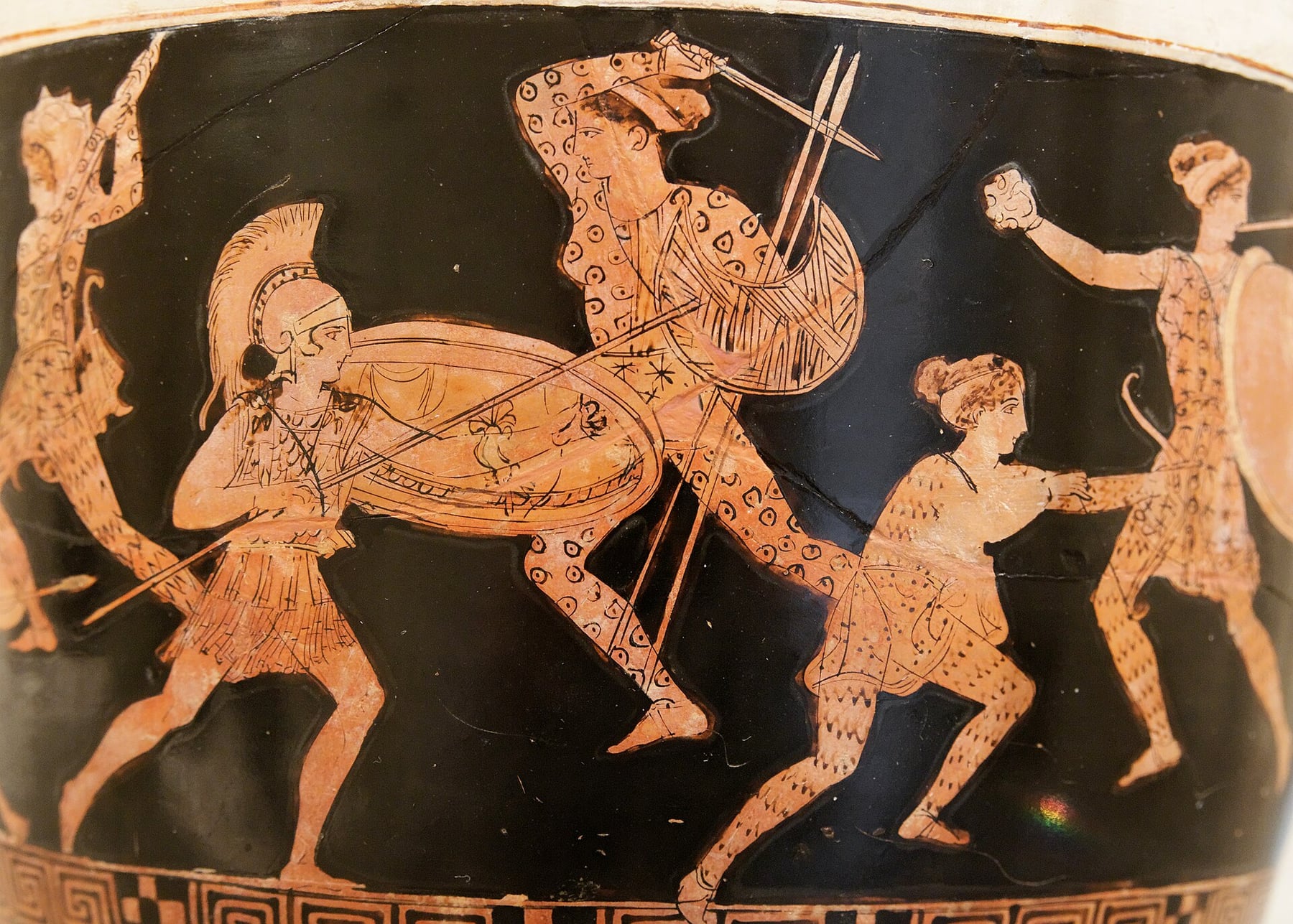
The Amazons are one of the most persistent myths of the ancient world. From the walls of the Parthenon to the coins of Ephesus, from Herodotus to the founding myths of Athens, the legend of a society of female warriors appears repeatedly in Greek art and literature. The Greeks believed the Amazons lived somewhere near the Black Sea coast — a region they associated with the edges of the known world. For most of modern history, scholars treated this as pure invention.
ثم بدأ علم الآثار في العثور على نساء مدفونات مع أسلحة.
«عاشت الأمازونيات على نهر ثيرمودون. كنّ أمةً من النساء، قوياتٍ في الحرب.»
>
— هيرودوت، التواريخ IV.110 (حوالي 430 ق.م)
إشكالية الأدلة
إن مسألة ما إذا كانت الأمازونيات «حقيقيات» تعتمد على ما نعنيه بالكلمة. من المؤكد أنه لم توجد مملكة من المحاربات قضين وقتهن في محاربة أبطال الأساطير اليونانية. لكن قد لا يكون هذا هو السؤال الصحيح. فالأساطير اليونانية عن العالم خارج بحر إيجه كثيرًا ما تختزن ملاحظاتٍ عن ثقافات حقيقية، تحوّلت إلى درجة يتعذر معها التعرّف عليها بفعل الزمن والمسافة والأعراف الأدبية.
كان السكيثيون، وهم الشعوب البدوية في السهوب الأوراسية الذين عرفهم التجار اليونانيون جيدًا على طول ساحل البحر الأسود، مجتمعًا كانت النساء فيه يركبن الخيل بانتظام ويشاركن في الحرب. وقد وصف هيرودوت، الذي كتب في القرن الخامس قبل الميلاد، نساءً سكيثيات قاتلن إلى جانب الرجال ولم يكنّ يستطعن الزواج قبل أن يقتلن عدوًا. وقد أرجع أصول الأمازونيات إلى السكيثيين، واصفًا إياهن بأنهن مجموعة منفصلة انفصلت عن السكان الرئيسيين.
ما تكشفه المدافن
!Amazonomachy — Attic red-figure volute-krater Metropolitan Museum
Amazonomachy — Attic red-figure volute-krater Metropolitan Museum | Marie-Lan Nguyen (CC BY 2.5)
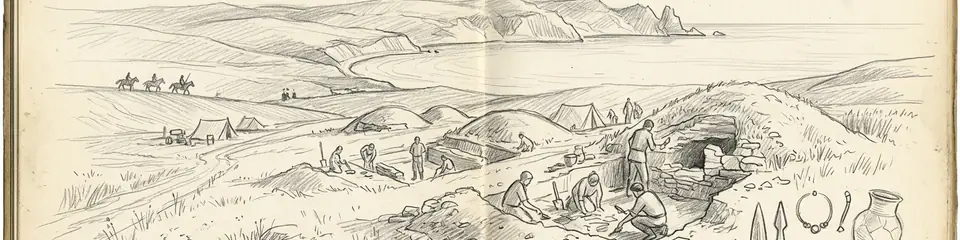
Beginning in the 1990s and accelerating in the 2000s, excavations of nomadic burial mounds across the Eurasian steppe from Ukraine to Kazakhstan have revealed graves of women buried with weapons, armor, and horse equipment. The evidence is systematic, not exceptional: in some cemeteries, roughly a third of warrior burials with weapons belong to women. Osteological analysis has shown that some of these women had the bone structure of people who spent significant time on horseback from childhood.
This is not the Amazons of myth. But it is something: a world in which the Greek observations that crystallized into the Amazon legend had a genuine basis in the cultures of the steppe. Women who fought existed. Women who rode horses existed. The mythologized version, transplanted to a convenient edge of the map and transformed into foils for Greek heroes, is a literary artifact built on a real substratum.
The Sites
!Sword from the Issyk kurgan — Scythian warrior burial tradition
Sword from the Issyk kurgan — Scythian warrior burial tradition | eggry (CC BY 2.5)
The site of Terme on the Black Sea coast is identified in antiquity as the location of the Amazon city of Themiscyra. It sits near the mouth of the Terme River, which ancient sources called the Thermodon. No Amazon city has been found, but the broader region is archaeologically consistent with cultures where women played active military roles.
Giresun Island, a small volcanic island a kilometer off the coast near the modern city of Giresun, was in antiquity known as the Island of Ares. Ancient sources described it as sacred to the war god and associated it with Amazonian ritual. The island has a Byzantine monastery, likely built on earlier foundations. The harbor town of Giresun (ancient Kerasous) claims to be where cherry trees were first cultivated for export to the Roman world — the Latin word for cherry, cerasus, derives from the ancient name of the city.
Sinop, the northernmost point of the Anatolian peninsula, was a major Greek colonial city and trading port. The birthplace of Diogenes the Cynic, who famously told Alexander the Great to stop blocking his sunlight, the site preserves a well-maintained Byzantine-era city wall incorporating Hellenistic and Roman elements.
!Achilles and Penthesilea on an Attic cup by the Penthesilea Painter
Achilles and Penthesilea — Attic red-figure cup (Penthesilea Painter) | Wikimedia Commons (CC)
The Myth Machine
ما يثير الاهتمام بالقدر نفسه هو كيف اشتغلت أسطورة الأمازونيات في الثقافة اليونانية. تظهر الأمازونيات على البارثينون، وعلى معبد أبولو في باساي، وفي عشرات الرسوم على الأواني الفخارية. وتُصوَّر دائمًا تقريبًا وهنّ يُهزَمن على يد الأبطال اليونانيين. لقد أصبحت «أمازونوماخيا» — أي المعركة ضد الأمازونيات — أحد الموضوعات المعيارية في النحت المعماري اليوناني، إذ وُضعت إلى جانب مشاهد «غيغانتوماخيا» و«قنطوروما خيا» بوصفها رموزًا لانتصار الحضارة على الفوضى.
وهذا ينبئنا بشيء عن وظيفة الأسطورة. لقد مثّلت الأمازونيات الانقلاب: مجتمع انعكست فيه الأدوار الجندرية، حيث قامت النساء بما كان يُفترض أن يقوم به الرجال. وكانت هزيمتهنّ دليلًا على أن النظام الطبيعي قد استُعيد. لم تكن الأسطورة، في جوهرها، عن نساء محاربات حقيقيات بقدر ما كانت عن قلق اليونانيين إزاء الجندر والحضارة والأجنبي.
!أسلحة حديدية من السهوب، 700–400 ق.م — علم الآثار خلف الأسطورة
أسلحة حديدية من السهوب، 700–400 ق.م | ويكيميديا كومنز (CC BY-SA 4.0)
إن الصورة الأثرية لا تؤكد أسطورة الأمازونيات كما رواها اليونانيون ولا تدحضها. لكن ما تؤكده فعلًا هو أن نساءً قاتلن وامتطين الخيل وُجدن في مختلف ثقافات السهوب شمالي البحر الأسود وشرقيه. فالمشهد الطبيعي الذي ألهم الأسطورة حقيقي، ويستحق أن يُمشى فيه.
!جزيرة غيرسون، أريتياس القديمة، قبالة ساحل البحر الأسود
جزيرة غيرسون، أريتياس القديمة، قبالة ساحل البحر الأسود | زينل جبيجي (CC BY-SA 4.0)


