Skip to content
Atlas AnatoliaAtlas Anatolia
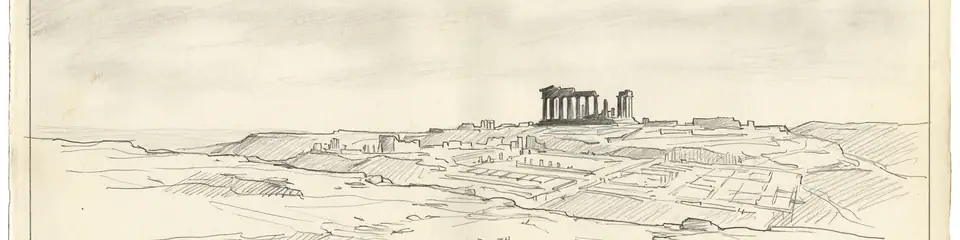
Ruins of the Greek-Roman city of Cyrene on the Libyan plateau

国家纪录

持续居住时间最长的遗址:利比亚

Cyrene

Κυρήνη631 公元前 – 643 公元

Founded

c. 631 BCE by Greek colonists from Thera

Famous export

Silphium — medicinal plant, depicted on coins

Notable figure

Callimachus, poet and scholar of Alexandria

UNESCO

World Heritage Site 1982

Cyrene anchors the Greek colonial presence in North Africa and demonstrates how Mediterranean urban culture took root far from the Aegean, producing independent intellectual and economic traditions that rivalled mainland Greece.”

概述

Cyrene stands on the fertile Jebel Akhdar plateau above the Mediterranean in modern eastern Libya, roughly 200 kilometres east of Benghazi. According to tradition recorded by Herodotus and Pindar, the city was founded around 631 BCE by settlers from the island of Thera (Santorini), led by Aristotle's ancestor Battus — making it one of the earliest and most successful Greek colonial foundations in North Africa.

The city flourished as the capital of Cyrenaica, exporting grain, horses, and above all silphium, a now-extinct medicinal plant so valuable that it appeared on Cyrenean coinage. Cyrene produced notable philosophers including Aristippus, founder of the Cyrenaic school, and the poet Callimachus, librarian at Alexandria. After passing through Ptolemaic and then Roman control, it remained a major provincial centre until earthquakes and Arab conquest diminished its importance.

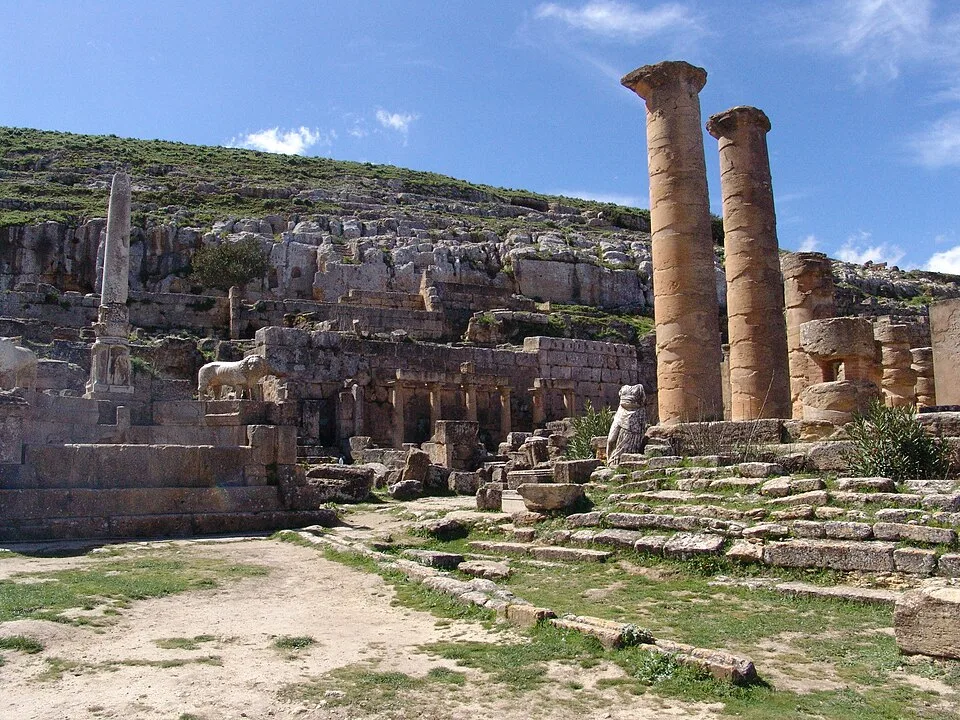
Cyrene Apollo temple

Cyrene Apollo temple | Koperczak (talk) 01:32, 29 March 2009 (UTC) (Public domain)

"Cyrene, a city of Libya, lies on the sea-coast; it is the fairest of all cities in Libya, and is built on a hill with a spring of good water flowing from the middle of it."
— Herodotus, Histories IV.158, on Cyrene in Cyrenaica (c. 430 BCE)

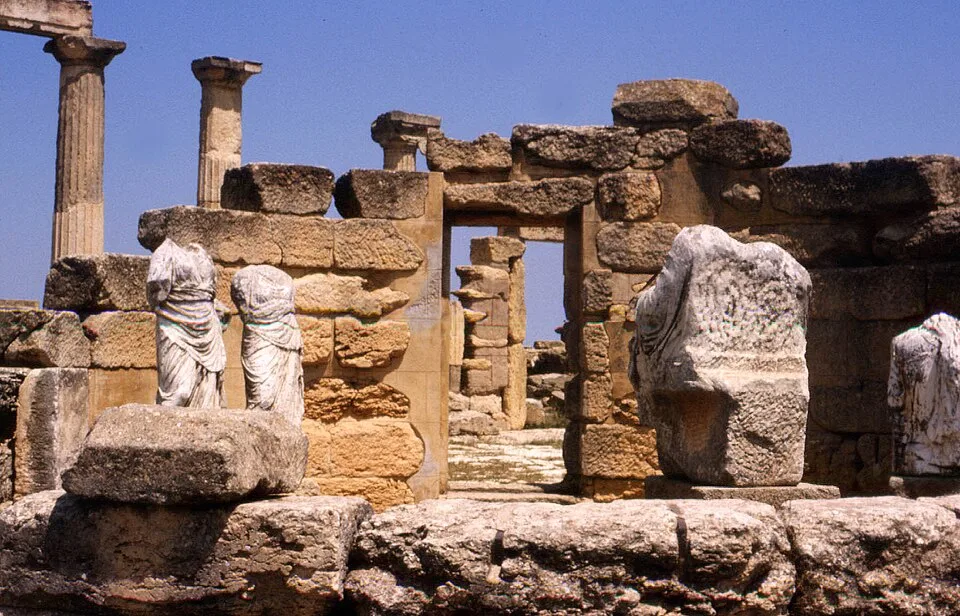
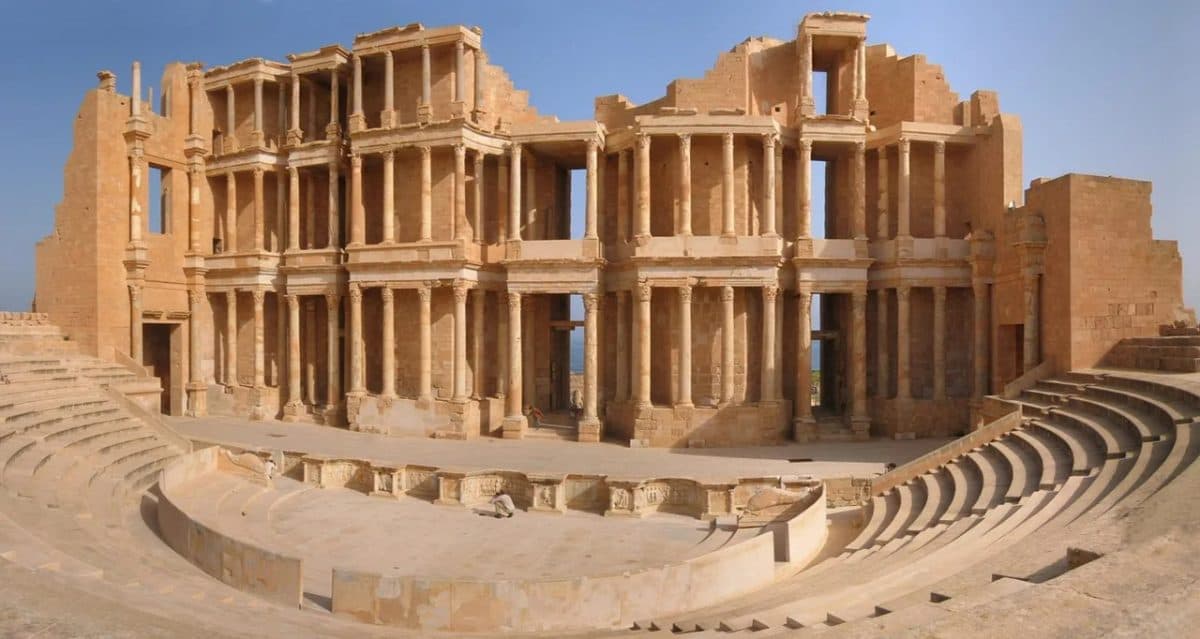
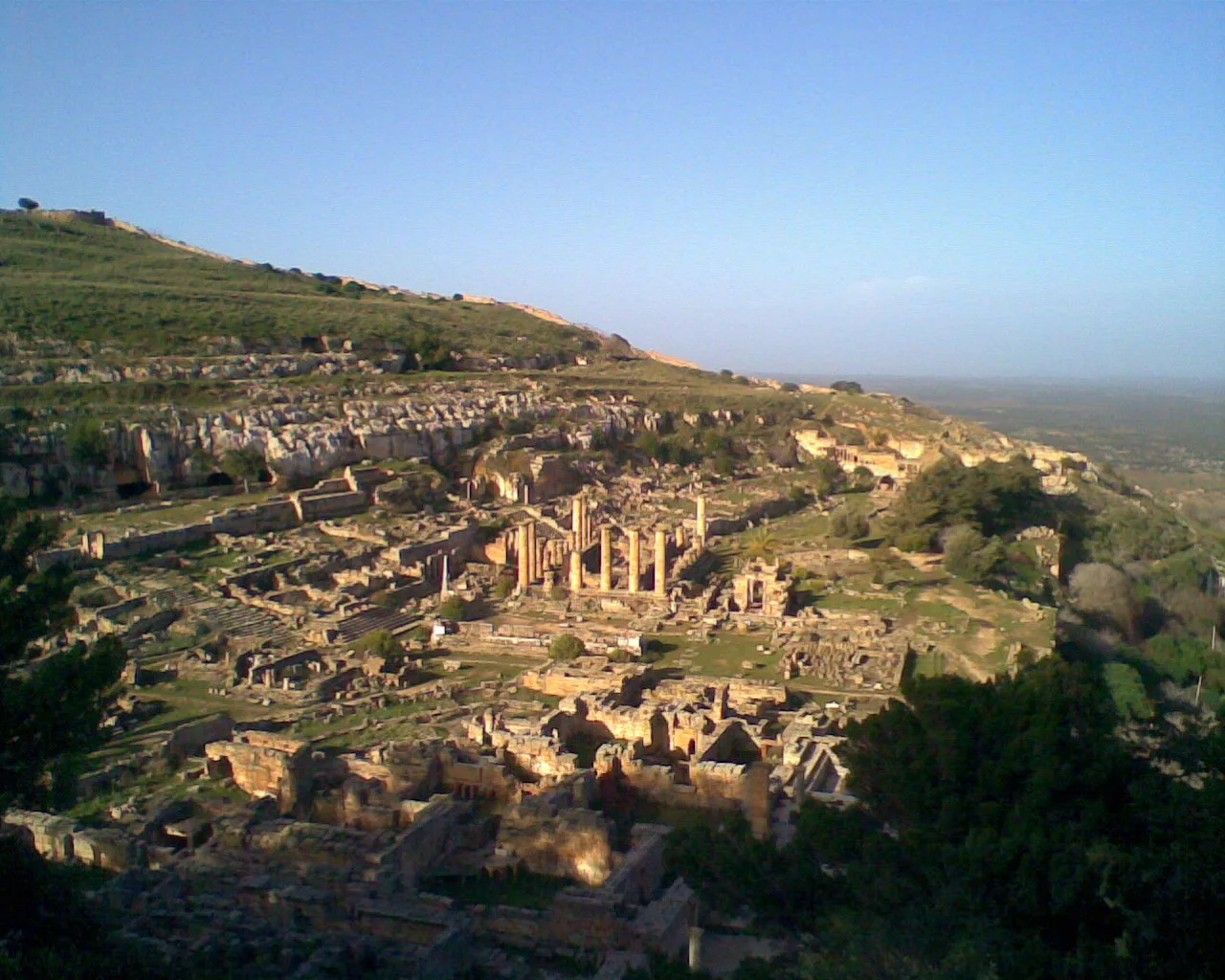
Archaeological remains spread across a wide area include the Sanctuary of Apollo (with a temple rebuilt under Roman emperors), the agora, the enormous necropolis with monumental tombs cut into the hillside, the Caesareum, baths, and a theatre. Excavations began in the 19th century and continue intermittently; many finds are housed in the Cyrene Museum at Shahhat.

Temple of Apollo, Cyrene (50144963856)

Temple of Apollo, Cyrene (50144963856) | Libyan Studies (CC BY-SA 2.0)

Cyrene forms part of the UNESCO World Heritage Site "Archaeological Site of Cyrene" (inscribed 1982, extended as part of the Cyrene-Ptolemais-Apollonia group).

为何重要

Cyrene anchors the Greek colonial presence in North Africa and demonstrates how Mediterranean urban culture took root far from the Aegean, producing independent intellectual and economic traditions that rivalled mainland Greece. Its silphium trade, philosophical school, and athletic fame (Cyreneans dominated Olympic victor lists) make it essential for understanding the interconnected ancient Mediterranean economy and culture. Together with Apollonia and Ptolemais, Cyrene preserves one of the most complete archaeological landscapes of a Greek-Roman provincial capital on the African coast.

保持好奇心

每月一次新故事与新遗址。无垃圾邮件。

证据与解读

区分已确立的事实与仍存争议的内容。

确凿事实

2
  • Greek colonisation is attested in literary tradition and corroborated by archaeological remains of Archaic through Roman date.
  • The Sanctuary of Apollo and extensive necropolis are among the best-preserved Greek monumental complexes in North Africa.

学术推断

1
  • Silphium trade likely formed a major component of Cyrene's wealth, though the plant is now extinct and direct economic quantification is impossible.

更多图片

博物馆文物

Community Photos

Share your experience

Have you visited this site? Upload your photos to help others discover it.

位置

如何引用本页

Atlas Anatolia. (631). Cyrene. Atlas Anatolia. https://atlasanatolia.com/zh/site/cyrene

内容采用 CC BY-SA 4.0 许可——转载时需注明出处。

知识图谱

与相关遗址和故事的连接。

资料来源

  • Cyrene and Apollonia: An Historical GuideGoodchild, R. G. (1959)
  • UNESCO — Archaeological Site of Cyrene链接

研究论文

常见问题

Where is Cyrene located?

Cyrene is located in Jabal al Akhdar, Cyrenaica, Libya.

How old is Cyrene?

Cyrene dates to approximately 631 公元前 – 643 公元.

Which civilizations are associated with Cyrene?

Cyrene is associated with the 希腊, 罗马.

Why is Cyrene important?

Cyrene anchors the Greek colonial presence in North Africa and demonstrates how Mediterranean urban culture took root far from the Aegean, producing independent intellectual and economic traditions that rivalled mainland Greece.

Is Cyrene a UNESCO World Heritage Site?

Yes — Cyrene is inscribed as a UNESCO World Heritage Site.