概述
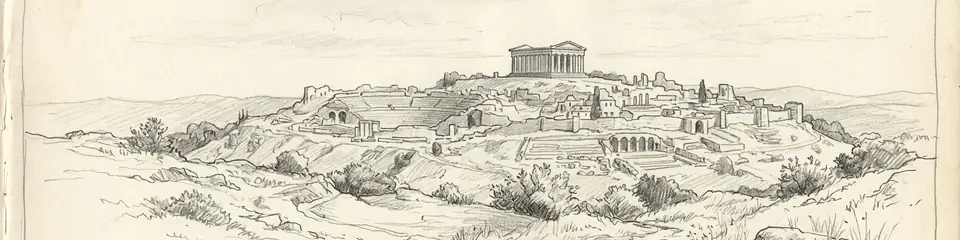
Apollonia lies on the Mediterranean coast of Cyrenaica in eastern Libya, roughly 20 kilometres north of Cyrene, serving as that city's principal port from the 6th century BCE onward. The Greek name reflects its dedication to Apollo, paralleling the great inland sanctuary at Cyrene.
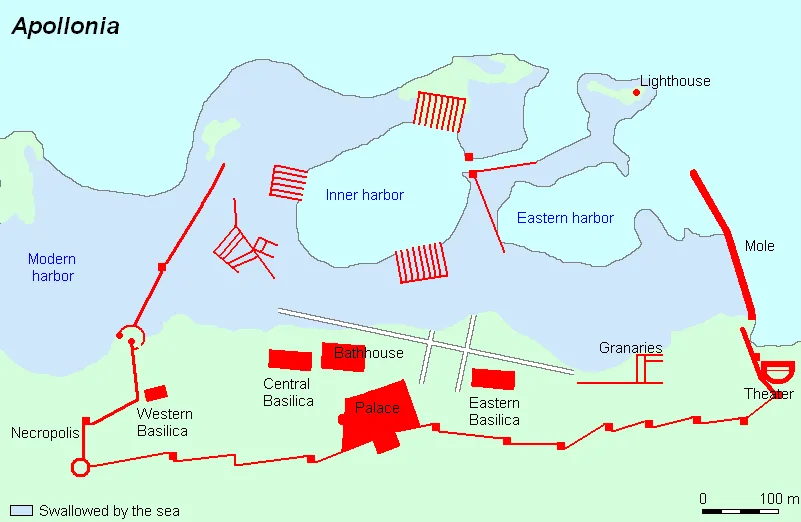
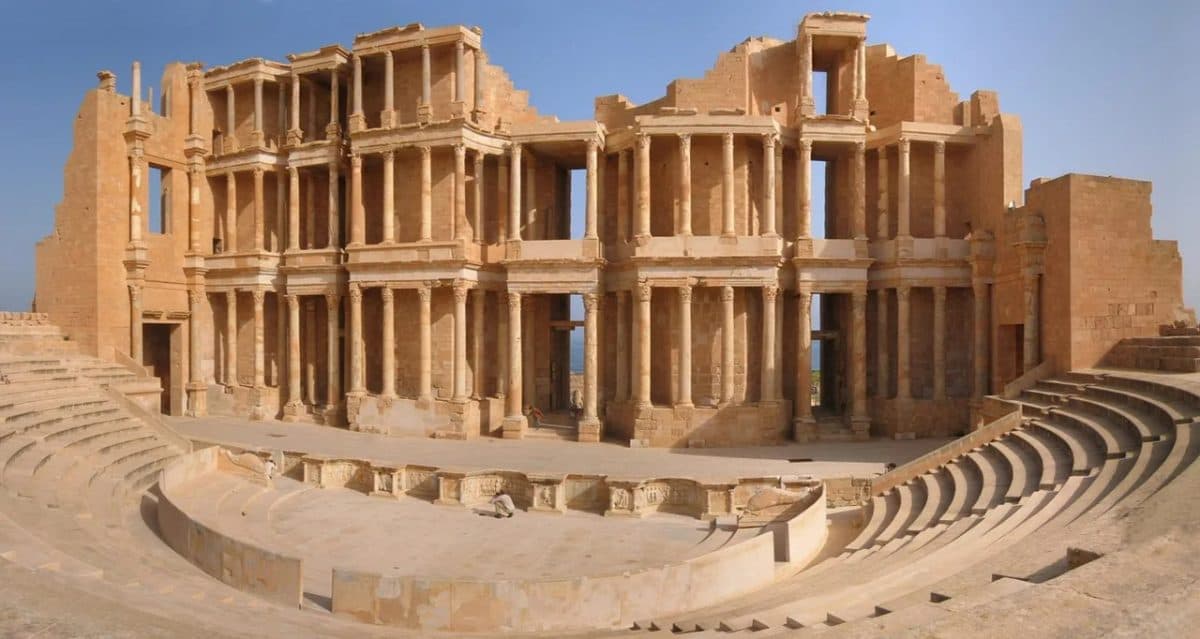
As Cyrene's harbour, Apollonia handled exports of silphium, grain, and horses while importing Mediterranean goods. Under Roman rule it became an independent city in the province of Crete and Cyrenaica, with its own magistrates and monumental building programme including baths, a theatre, and extensive fortification walls rebuilt in the Byzantine period.

365 Crete Earthquake, Apollonia, Map (Jona) | Jona Lendering (CC BY-SA 3.0)
"Apollonia served as the port of Cyrene, and its harbour works and fortifications guarded the trade of the Cyrenaican plateau."
— R. G. Goodchild, Cyrene and Apollonia: An Historical Guide (1959)
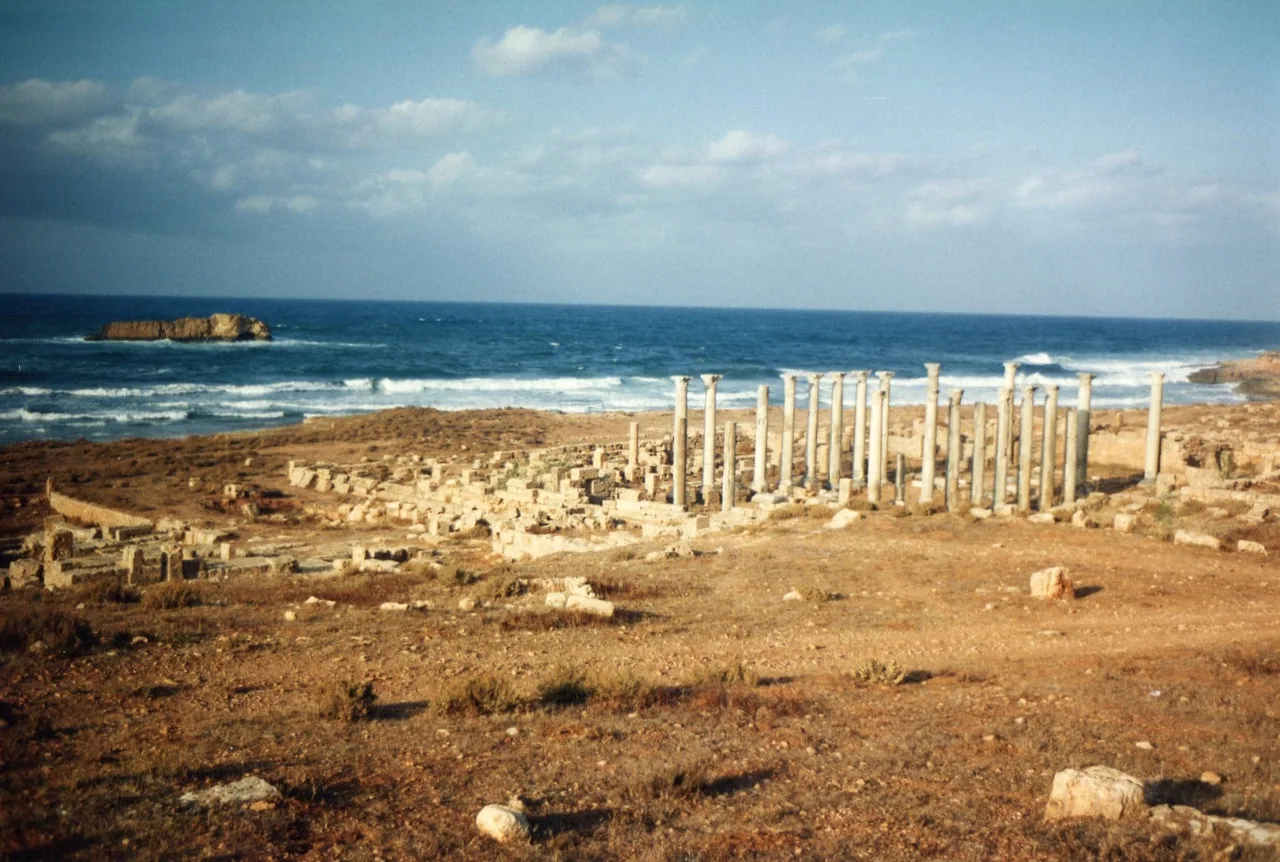
The site preserves one of the longest stretches of ancient city wall in North Africa, Byzantine churches with mosaic floors, and submerged harbour structures visible to divers and visible in aerial survey. Apollonia declined after Arab conquest but remained a coastal settlement (modern Susah/As-Susah).

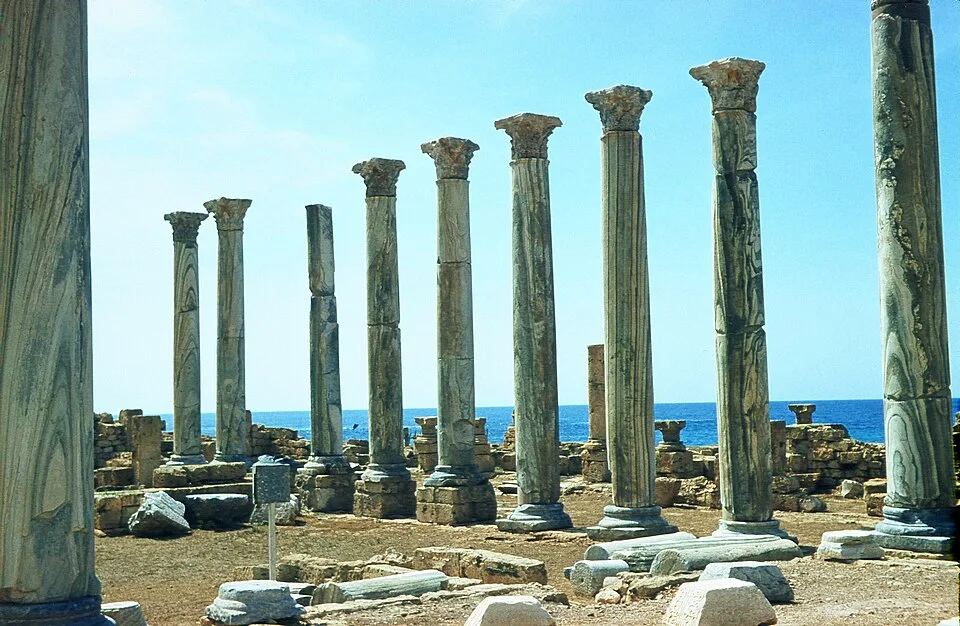
East Church, Apollonia (50108622657) | Libyan Studies (CC BY-SA 2.0)
Apollonia forms part of the UNESCO World Heritage grouping with Cyrene and Ptolemais, recognised for the integrated archaeological landscape of Cyrenaica's Greek-Roman urban system.